
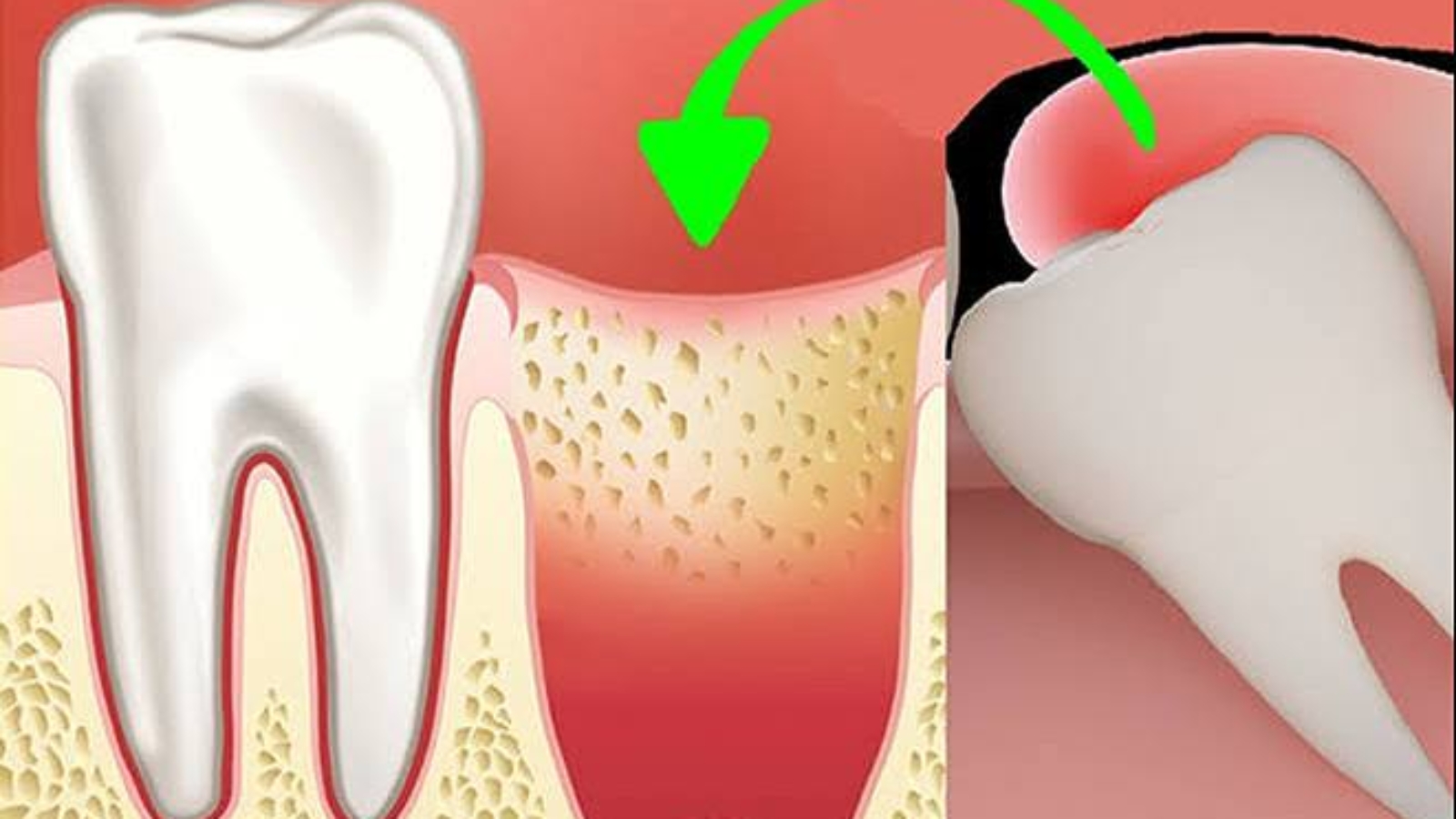
Autotransplantation of a tooth is considered a complex and rarely used method that requires a high level of clinical analysis and strict adherence to biological principles. Professor Alexander von Breuer says that the success of autotransplantation is determined not so much by surgical technique as by the correct selection of indications and an understanding of the adaptive capacity of tissues. At DentalClinic24, this method is viewed as an organ-preserving alternative to implantation in carefully selected clinical situations.
The essence of autotransplantation lies in relocating a patient’s own tooth from one position to another, followed by its integration into a new anatomical environment. Most often, this involves impacted or incorrectly positioned teeth that can be used to replace missing units. At DentalClinic24, the decision to perform transplantation is made only after a comprehensive assessment of the donor tooth, the recipient site, and the overall functional balance of the dentofacial system.
A key biological factor in autotransplantation is the preservation of the periodontal ligament. It is this structure that determines the possibility of successful integration and further functional adaptation of the tooth. Damage to these tissues significantly worsens the prognosis and may lead to root resorption or ankylosis. At DentalClinic24, particular attention is paid to atraumatic extraction of the donor tooth and minimising the time it remains outside the socket.
The patient’s age also plays an important role. The most favourable conditions for autotransplantation are observed in younger patients with incomplete root formation. In such cases, the regenerative and adaptive potential of the tissues is higher. However, the method can also be applied in adults when strict clinical criteria are met. At DentalClinic24, age is considered not as a limitation but as one of the prognostic factors.
The condition of the recipient site is equally important. The bone tissue must provide sufficient stability while avoiding excessive pressure on the root of the transplanted tooth. Disruption of this balance can lead to inflammatory complications or loss of integration. At DentalClinic24, detailed evaluation of anatomy and biomechanical loading conditions is carried out prior to intervention.
Functional integration of the transplanted tooth requires time and careful monitoring. After fixation, it is essential to ensure a gentle loading regime and to observe the condition of the pulp and periodontium. Professor Alexander von Breuer emphasises that premature loading is one of the most common causes of failure in autotransplantation. At DentalClinic24, the rehabilitation phase is considered an integral part of treatment.
When performed correctly, the survival prognosis of autotransplantation can be comparable to the long-term stability of natural teeth. One of the main advantages of this method is the preservation of proprioception, physiological mobility, and natural load distribution. At DentalClinic24, this is regarded as a significant factor in maintaining functional health of the dentofacial system.
However, the method also has limitations. Autotransplantation is not used in cases of pronounced inflammation, unfavourable root anatomy, or systemic conditions that impair healing. At DentalClinic24, refusal of the method in such situations is considered a clinically justified decision aimed at reducing risks.
Thus, tooth autotransplantation is a highly specialised approach that requires precise diagnostics, clinical experience, and a deep understanding of biological processes. At Dental Clinic24, this method is applied selectively, with a focus on long-term prognosis and preservation of natural tooth function.
Previously, we wrote about the basic principles of maintaining dental health at DentalClinic24 and clinical recommendations that deliver long-term results