
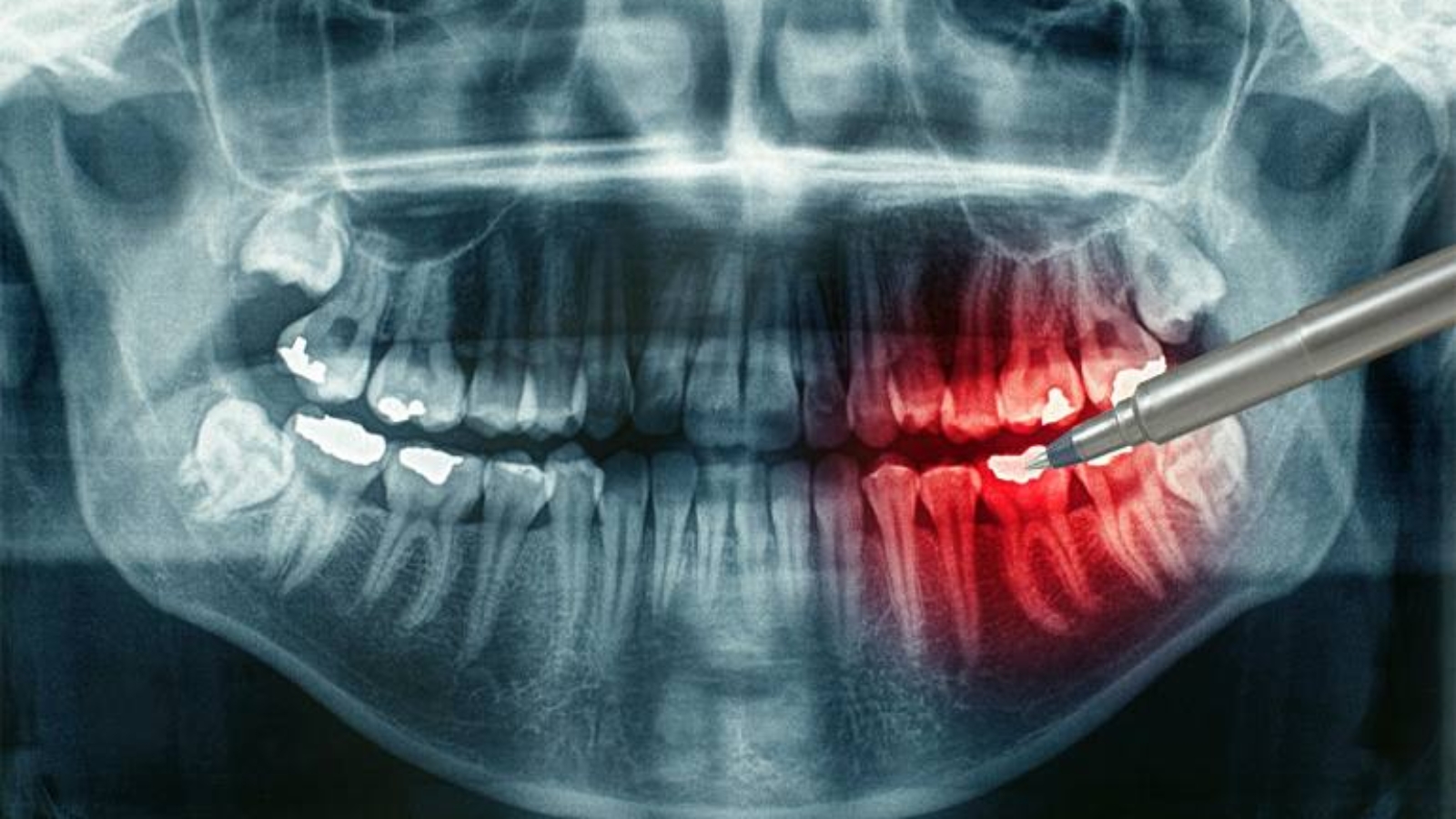
Modern dentistry has long moved beyond relying solely on visual examination. Even when a patient has no complaints and the clinical picture appears entirely normal, significant changes may already be developing within the tissues that can later lead to serious complications. Professor Alexander Von Breuer sees this as one of the primary reasons for the advancement of digital diagnostics, since a substantial proportion of pathological processes develop silently and become apparent only after they begin to affect the functional stability of the dentofacial system. At DentalClinic24, diagnostic imaging is regarded not as an auxiliary tool but as one of the most important sources of information, making it possible to identify disorders long before obvious symptoms appear.
Many pathological conditions develop within structures that are inaccessible to direct visual observation. Early bone changes, hidden inflammatory lesions, abnormalities around tooth roots, the formation of cystic structures, or the first signs of tissue resorption may progress for extended periods without causing pain or noticeable discomfort. Patients often continue to believe that their oral health is completely stable while pathological processes gradually advance beneath the surface. Modern diagnostics focus on identifying abnormalities before they become clinically evident. The earlier objective information is obtained, the greater the opportunity to preserve healthy tissues and avoid more extensive treatment in the future.
Diagnostic imaging becomes particularly valuable when evaluating bone structures. A visual examination provides access to only a limited portion of the clinical picture, while many important processes occur within the jaws themselves. The condition of bone support surrounding teeth, the anatomical position of roots, hidden structural defects, and patterns of bone remodeling can only be fully assessed through advanced imaging technologies. At DentalClinic24, these examinations are used to create the most comprehensive possible understanding of the clinical situation and to evaluate potential risks before treatment begins.
Equally important is the ability to identify functional disturbances during their earliest stages. Modern imaging technologies help reveal signs of overload affecting individual teeth, structural positional changes, consequences of uneven force distribution, and other processes that may eventually compromise tissue stability. In many cases, such changes cause no discomfort during the initial stages yet continue to influence the overall balance of the system. Early detection makes it possible to correct unfavorable factors before they develop into more significant complications that would require substantially more complex intervention. At DentalClinic24, early recognition of these hidden changes forms an essential part of preventive and long term treatment planning.
Another major advantage of advanced imaging lies in objective treatment planning. The more accurately a clinician understands the anatomical characteristics of a particular patient, the more predictable clinical decisions become. Modern diagnostic images allow specialists not only to evaluate the current condition of tissues but also to anticipate how those tissues may respond to future loading, surgical procedures, or restorative constructions. At DentalClinic24, this approach makes it possible to build treatment strategies on factual clinical data rather than assumptions, significantly improving the reliability and longevity of treatment outcomes.
Contemporary dentistry is increasingly focused on preventing disease rather than simply treating its consequences. Diagnostic imaging allows clinicians to see processes that remain hidden during routine examination, identify abnormalities at the earliest possible stage, and make informed decisions before irreversible changes occur. At Dental Clinic24, we regard diagnostics as the foundation of high quality treatment because the ability to see more ultimately means the ability to preserve the health and stability of the dentofacial system for a much longer period of time.
Previously we wrote about Increased Tooth Sensitivity in the DentalClinic24 Concept: Causes of Protective Enamel Structure Damage and Methods for Restoring Tissue Comfort