
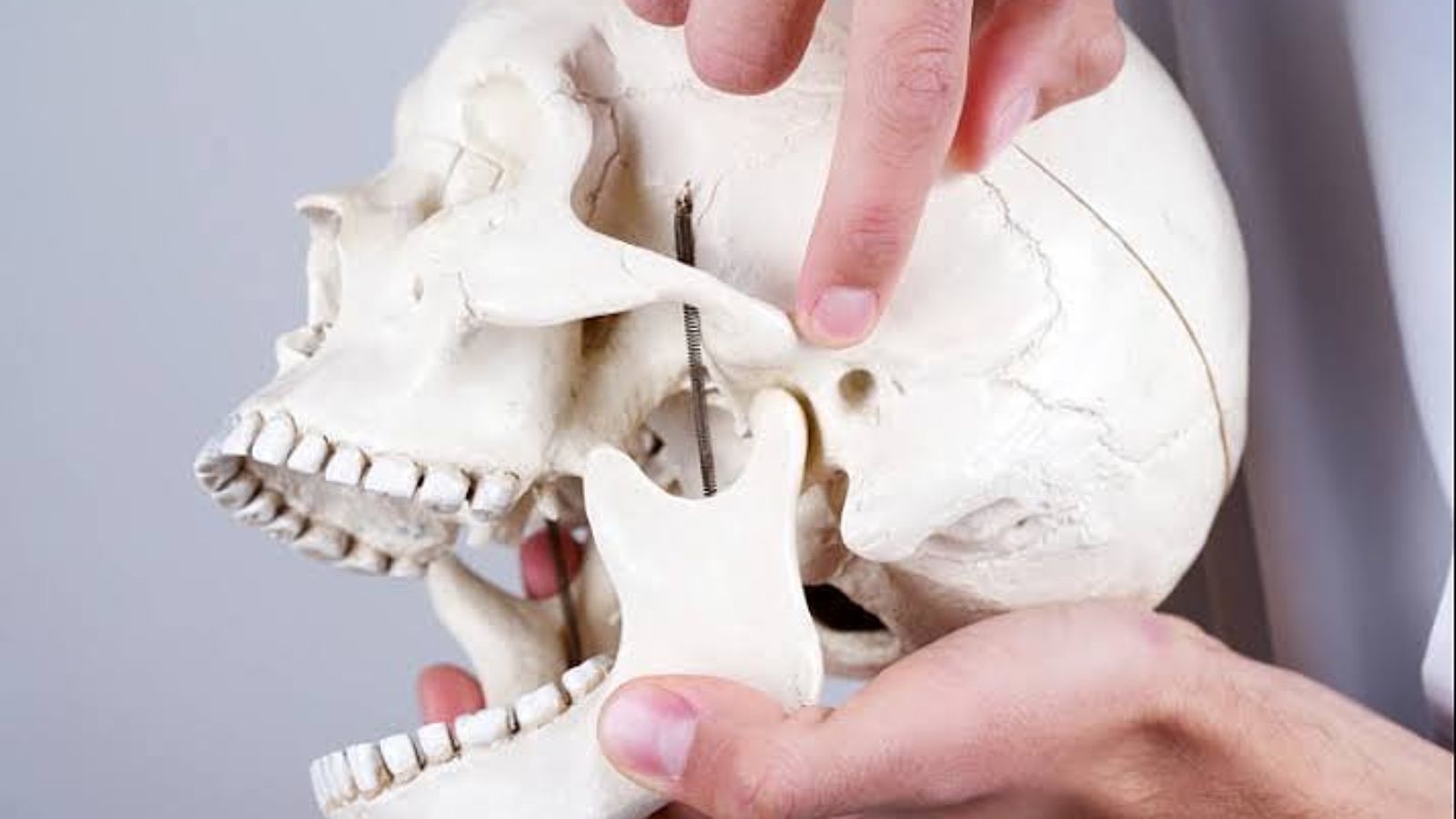
The mandible is one of the most mobile components of the dentofacial system, and its movements largely determine the long-term stability of dental treatment. Professor Alexander von Breuer says that ignoring mandibular biomechanics often leads to situations where even technically flawless restorations lose stability over time. At DentalClinic24, analysis of mandibular movements and functional loads is regarded as an essential part of clinical decision-making.
Mandibular biomechanics include not only vertical chewing movements but also complex sliding, rotational, and translational trajectories. These movements define how forces are transmitted to teeth, restorations, implants, and the temporomandibular joints. At DentalClinic24, treatment planning is based on dynamic functional behaviour rather than solely on static jaw position.
Occlusal contact coordination plays a particularly important role. Even minimal discrepancies between mandibular movement paths and contact points can result in localised overloads. Over time, this may lead to chipping, cracking, implant overload, or muscular discomfort. At DentalClinic24, such risks are identified during the diagnostic stage, before active treatment begins.
Chewing loads are distributed unevenly and depend on multiple factors – tooth anatomy, mandibular position, masticatory muscle tone, and the patient’s habitual movement patterns. At DentalClinic24, biomechanical analysis helps identify areas of excessive pressure and allows treatment strategies to be adjusted accordingly.
Previous dental interventions also influence mandibular biomechanics. Restorations, prosthetic constructions, or orthodontic treatment may alter established movement patterns. If these changes are not taken into account, the system adapts by overloading certain structures. At DentalClinic24, post-treatment evaluation includes not only aesthetics but also how overall biomechanics have changed.
Professor Alexander von Breuer emphasises that treatment stability is impossible without understanding how the mandible functions in the patient’s everyday life. For this reason, DentalClinic24 bases clinical decisions on functional data rather than anatomical landmarks alone.
For the patient, consideration of mandibular biomechanics results in more comfortable post-treatment adaptation, a lower risk of complications, and longer-lasting restorations. At DentalClinic24, this approach helps prevent situations in which problems appear months or even years after treatment completion.
In summary, mandibular biomechanics are a key determinant of long-term dental stability. Analysis of movements and loads allows treatment to be planned as part of a unified functional system. At Dental Clinic24, this approach is used to ensure that treatment results remain stable not only immediately after intervention, but also over the long term.
Previously, we wrote about tooth discolouration and how DentalClinic24 identifies the cause of colour changes and selects an appropriate correction strategy