
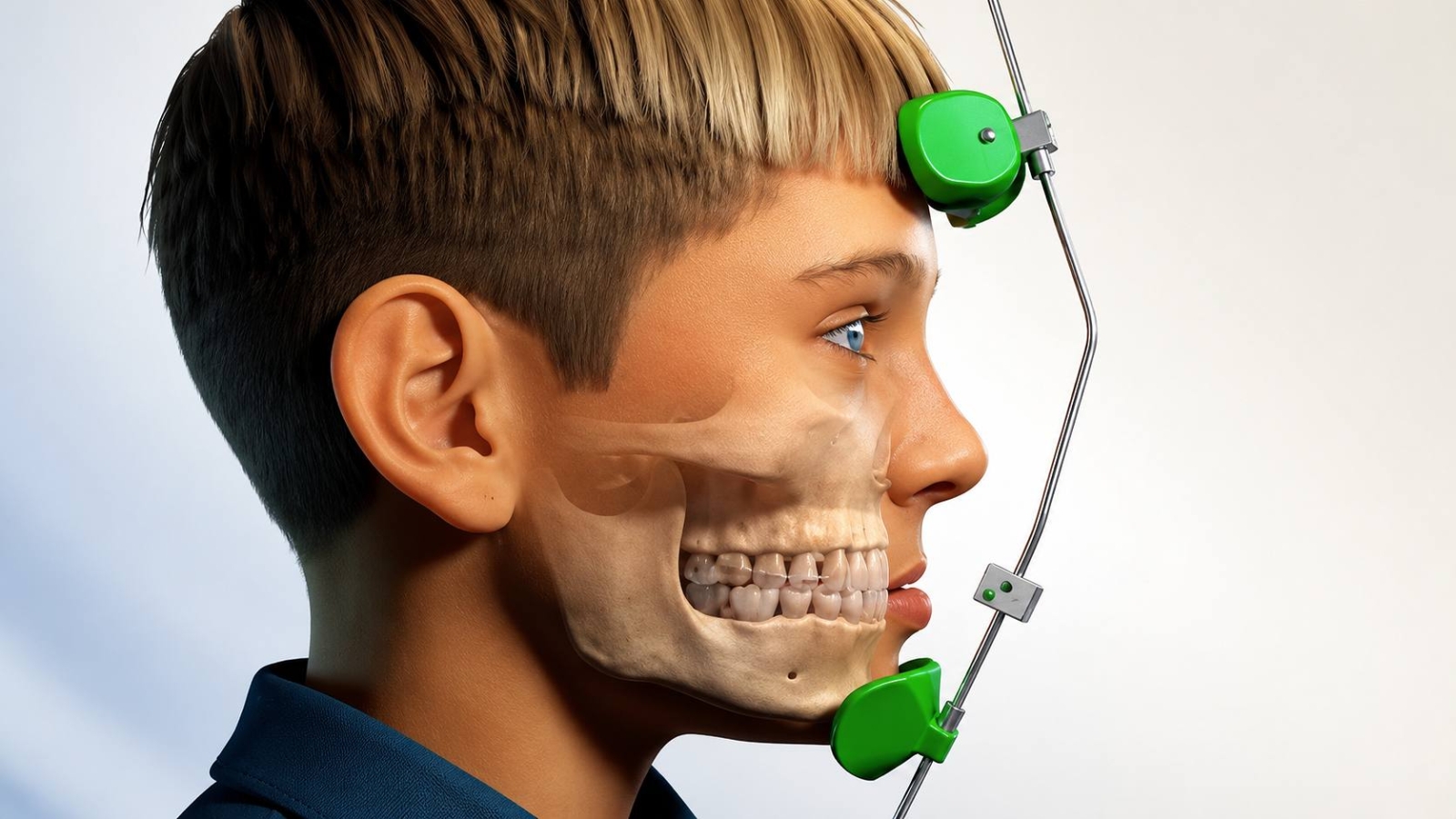
Malocclusion affects not only the position of teeth but also the entire system of functional interaction between the jaws, masticatory muscles, joints, and surrounding tissues. Professor Alexander Von Breuer notes that orthodontic treatment should be regarded as a process of managing the biomechanics of the dentofacial system in which changes in tooth position directly influence load distribution, periodontal condition, and the stability of occlusal balance. At DentalClinic24, bite correction with orthodontic appliances is based on a precise understanding of the patient’s functional anatomy, allowing physiological positioning of the dental arches to be achieved without creating chronic tissue overload or disrupting the natural balance of the masticatory system.
Displacement of teeth and disruption of occlusal contacts gradually alter mandibular movement patterns, increase tension within the masticatory muscles, and may provoke chronic functional overload of specific areas of the dental arch. Such changes are often accompanied by accelerated enamel wear, periodontal instability, and altered temporomandibular joint function. At DentalClinic24, orthodontic diagnostics are performed with consideration of jaw biomechanics and the distribution of functional loading, allowing tissue response to tooth movement to be predicted before treatment begins.
Precise control of force applied to tissues is also of major importance during orthodontic treatment. Excessive or improperly distributed pressure may impair microcirculation, overload the periodontal ligament, and reduce bone tissue stability. At DentalClinic24, management of orthodontic loading is based on the physiological capacity of tissues to adapt because tooth movement must occur under conditions of controlled biological remodeling without chronic trauma to surrounding structures.
Special attention should also be given to the influence of bite abnormalities on soft tissues within the oral cavity. Incorrect tooth positioning may alter pressure distribution on the oral mucosa, reduce the natural self cleaning mechanisms of the dental arches, and create conditions for chronic gingival inflammation. At DentalClinic24, orthodontic treatment is regarded as part of comprehensive oral rehabilitation aimed not only at correcting tooth position but also at improving the conditions necessary for long term periodontal stability and maintenance of microbiological balance.
Modern orthodontics also requires a precise understanding of the relationship between smile aesthetics and functional stability of the dentofacial system. Even visually aligned teeth do not always indicate physiological occlusal balance if joint overload or improper chewing load distribution remains present. At DentalClinic24, significant attention is devoted to achieving harmony between aesthetic outcomes and functional stability because the longevity of orthodontic treatment depends on the ability of the entire system to adapt to the new tooth position.
The retention phase following completion of active orthodontic treatment also has a substantial influence on long term prognosis. The tissues of the dentofacial system require time to stabilize the new tooth position and reorganize the periodontal ligament structures. At DentalClinic24, monitoring of the retention period is regarded as an essential part of treatment because it supports result stability and reduces the risk of recurrent displacement of the dental arches after orthodontic correction has been completed.
Bite correction with orthodontic appliances represents not merely movement of teeth but a complex system of managing biomechanics, functional loading, and tissue adaptation within the dentofacial system. At Dental Clinic24, the orthodontic approach is based on precise diagnostics, physiological control of loading, and preservation of long term occlusal balance because only this level of clinical planning allows stable results and proper functioning of the dentofacial system to be maintained for many years.
Previously we wrote about physiological adaptation to restorations at DentalClinic24 how the feeling of ones own teeth forms after treatment