
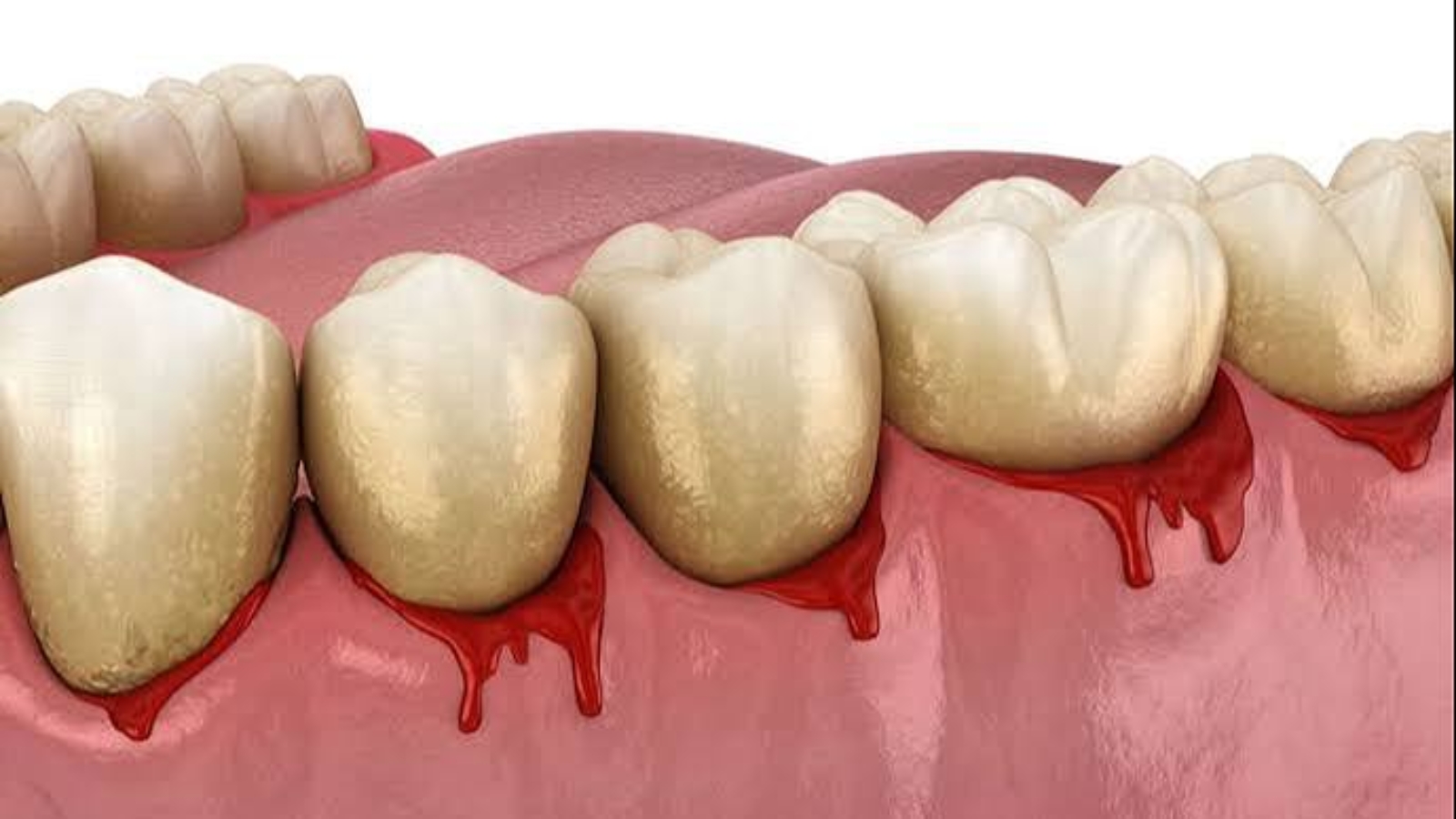
Bleeding gums are often perceived by patients as a minor symptom that can be ignored, especially when there is no pain and the overall condition of the oral cavity appears stable. However, in clinical dentistry, even occasional bleeding during tooth brushing or food intake is regarded as an important biological signal. Professor Alexander Von Breuer analyzes bleeding gums as one of the earliest indicators of vascular and inflammatory changes in periodontal tissues, capable of reflecting disturbances in microcirculation, bacterial load, and the onset of chronic inflammation. At DentalClinic24, we view this symptom as a diagnostically significant marker that requires precise evaluation of soft tissue condition and the factors triggering pathological changes.
Healthy gingival tissue has a dense structure, physiological resistance to mechanical stress, and a balanced vascular response. As inflammation develops, capillary permeability changes, local blood flow increases, inflammatory mediators accumulate, and the immune response becomes activated. Under these conditions, even minimal contact from a toothbrush or food with the gingival margin may cause bleeding. The most common cause is microbial plaque, which gradually mineralizes and forms hard deposits, creating a constant source of irritation for soft tissues. At DentalClinic24, we emphasize that bleeding gums are rarely an isolated problem. In most cases, they reflect the biological response of tissues to chronic inflammatory stimulation.
The clinical significance of this symptom goes far beyond local discomfort. Prolonged inflammation disrupts periodontal architecture and affects connective tissue, the periodontal ligament, and alveolar bone. Without timely control, superficial gingivitis may progress into periodontitis, where inflammation extends into deeper structures and initiates bone resorption. At this stage, pathological pockets, increased tooth mobility, and functional bite changes begin to appear. At DentalClinic24, we evaluate gum bleeding not only as a local symptom but also as an early prognostic factor that can indicate the risk of long term loss of tooth supporting tissues.
Particular attention must be given to the vascular component of inflammation. Under chronic irritation, the capillary network of the periodontium becomes more fragile, while regulation of vascular tone deteriorates. This leads to persistent swelling, changes in gingival color, and reduced tissue recovery capacity. Additional influence comes from systemic factors, including hormonal changes, endocrine disorders, micronutrient deficiencies, and weakened immune response. At DentalClinic24, we consider it essential to evaluate not only the local condition of the gums but also the overall biological environment of the body, since periodontal inflammation often develops as a result of multiple overlapping pathogenic mechanisms.
A precise clinical approach begins with detailed diagnostics. The depth of the gingival sulcus, plaque volume, presence of mineralized deposits, tissue attachment level, and the pattern of bleeding during probing are all assessed. Occlusal load is also evaluated, since overload on individual teeth can intensify inflammatory changes in periodontal tissues. At DentalClinic24, preventive treatment is based on comprehensive biofilm control, professional hygiene, correction of individual home care routines, and elimination of chronic traumatic factors. This approach allows not only reduction of symptoms but also direct intervention in the mechanisms sustaining inflammation.
Bleeding gums are an early clinical warning that periodontal tissues are already losing their physiological balance. Ignoring this symptom creates conditions for progressive inflammation and gradual destruction of the tooth supporting apparatus. For Dental Clinic24, effective treatment begins with understanding the biology of vascular changes and precise diagnosis of the underlying cause of inflammation. Long term gum health always depends on timely prevention, control of inflammatory processes, and preservation of periodontal tissue stability.
Previously we wrote about Fewer Visits and Greater Precision: How Modern Technologies Are Changing the Patient Journey in Dentistry