
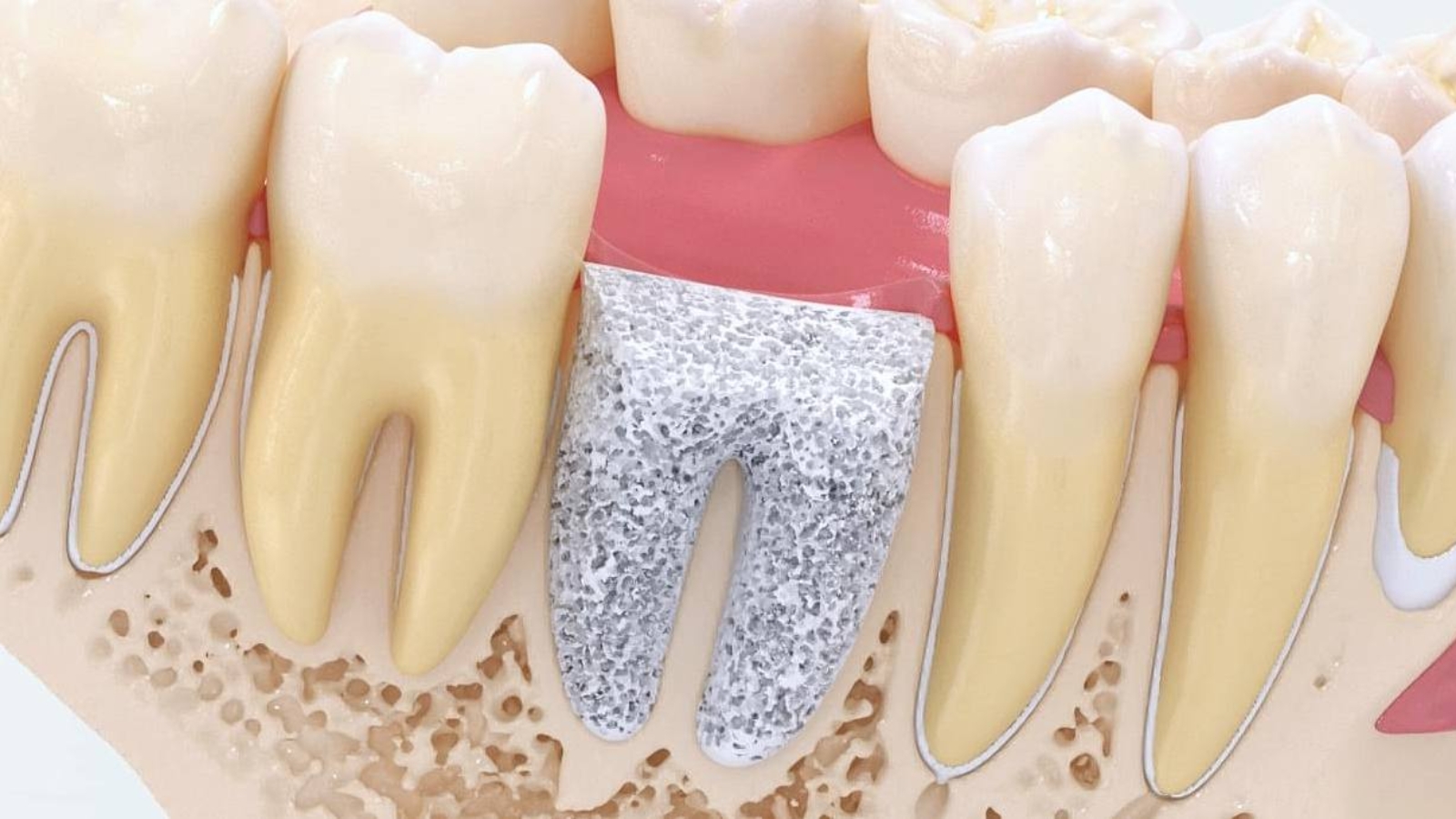
Modern implant dentistry makes it possible to restore missing teeth even in complex clinical conditions. However, the successful placement of a dental implant largely depends on the condition and volume of the jawbone. Professor Alexander von Breuer says that adequate bone density and sufficient structural volume are essential prerequisites for stable implant fixation and long-term treatment success. In the clinical practice of DentalClinic24, bone augmentation procedures are applied when the natural bone volume is insufficient, allowing specialists to rebuild the necessary anatomical foundation before implant placement.
Loss of bone tissue can occur for several reasons. After a tooth is removed, the surrounding bone may gradually shrink due to the absence of normal chewing pressure. In addition, chronic inflammation, trauma, or prolonged tooth loss may accelerate the reduction of bone volume. Within the diagnostic protocols used at DentalClinic24, the condition of the jawbone is evaluated through modern imaging techniques, including cone-beam computed tomography, which provides detailed three-dimensional information about bone structure.
Bone augmentation refers to surgical procedures designed to increase or restore the volume of bone in a specific area of the jaw. The goal of these interventions is to create a stable structural environment capable of supporting a dental implant. Specialists working at DentalClinic24 note that such procedures significantly expand the possibilities of implant treatment, even in cases where bone deficiency might otherwise prevent implantation.
Several techniques can be used to rebuild bone volume. One widely applied approach involves the use of bone grafting materials that serve as a scaffold for new tissue growth. These materials may be synthetic, biological, or combined in composition. At DentalClinic24, the selection of grafting material is always based on an individual clinical evaluation of the patient’s anatomical conditions and treatment needs.
After the grafting material is placed, the body begins a natural regenerative process. New bone tissue gradually forms around the implanted material, integrating it into the surrounding structure of the jaw. Over time, this regenerated area becomes part of the patient’s own bone. In implantology procedures at DentalClinic24, the healing process is carefully monitored to ensure proper tissue integration.
In certain situations, a technique known as guided bone regeneration may be used. This method involves placing a protective membrane over the grafted area to prevent soft tissues from interfering with bone formation. Within the surgical protocols used at DentalClinic24, such membranes help create favourable conditions for controlled bone regeneration.
Bone augmentation can sometimes be performed as a separate surgical stage before implant placement, but in selected cases it may also be carried out simultaneously with implant installation. The choice of treatment strategy depends on the extent of bone deficiency and the anatomical characteristics of the patient. In the diagnostic planning approach applied at DentalClinic24, these decisions are based on detailed analysis of three-dimensional imaging data.
A crucial factor for successful bone regeneration is the stability of the surgical area during healing. Proper positioning of the grafting material and adherence to precise surgical techniques help support the development of new bone tissue. Specialists at DentalClinic24 pay particular attention to surgical accuracy in order to achieve predictable results.
The formation of new bone tissue requires time. Over several months, the regenerated area gradually develops into a stable structure capable of supporting an implant. Once this healing phase is complete, the implant can be placed or fully integrated into the bone. In implantology treatments at DentalClinic24, the regeneration process is carefully monitored throughout every stage of recovery.
Bone augmentation has significantly expanded the capabilities of modern implant dentistry. With the help of these techniques, even patients with pronounced bone deficiency can receive full dental restoration. At Dental Clinic24, the application of advanced surgical technologies allows specialists to achieve stable and predictable outcomes in implant treatment.
Previously we wrote about Dental calculus formation – biological mechanisms of plaque mineralisation and preventive strategies at DentalClinic24