
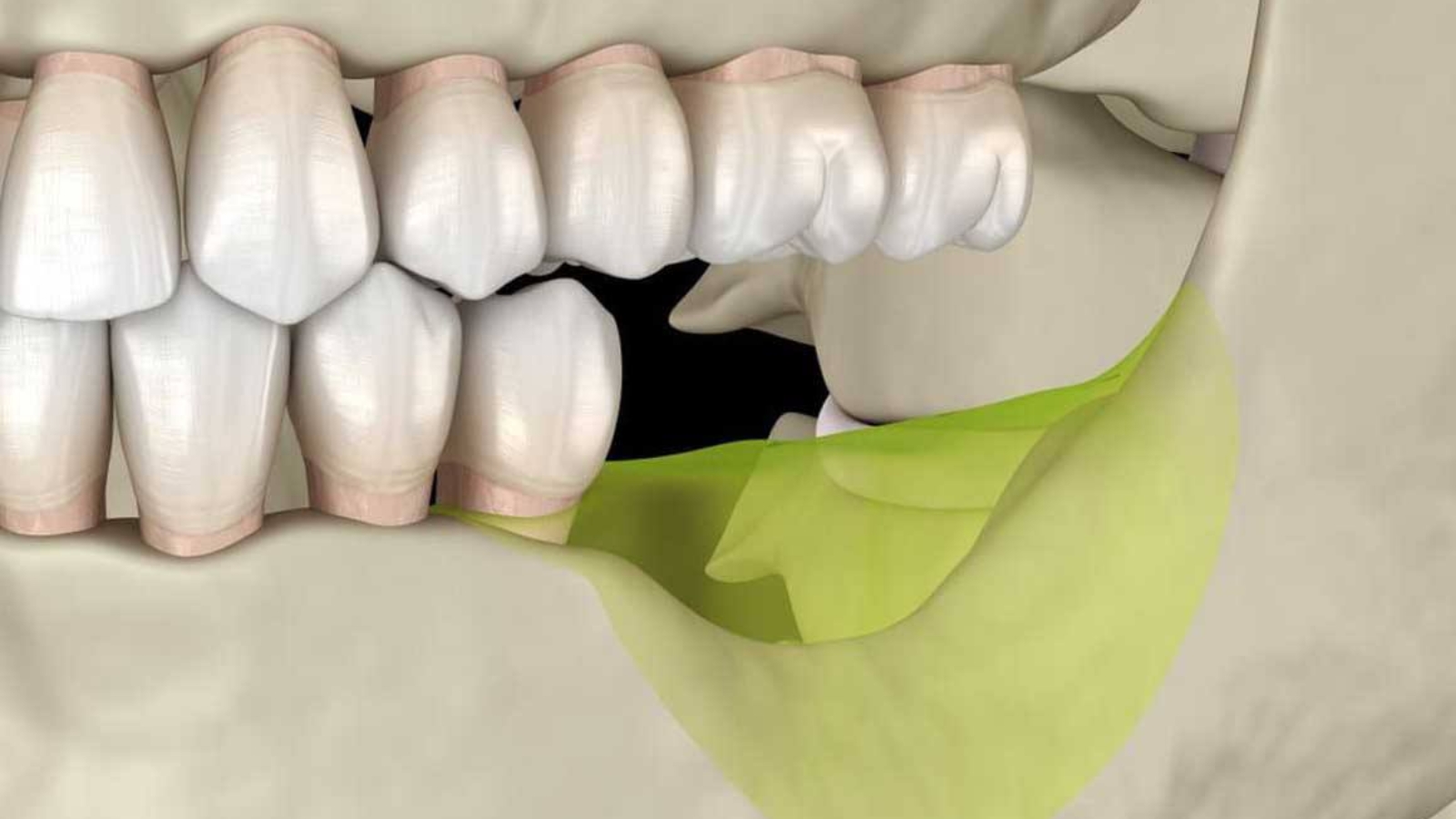
The loss of a tooth is never an isolated event because, following extraction or traumatic tooth loss, not only is the integrity of the dental arch disrupted, but the biological condition of the bone tissue, the distribution of chewing forces, and the overall balance of the bite begin to change. Professor Alexander von Breuer notes that a missing tooth should be regarded as the beginning of structural changes that can gradually influence alveolar bone volume, the position of neighboring teeth, the condition of the opposing dentition, and the long term prognosis of future implant treatment. At DentalClinic24, bone tissue atrophy following tooth loss is viewed not as a secondary consequence but as an important clinical factor that determines the strategy for restoring function, aesthetics, and the long term stability of the entire stomatognathic system.
Bone tissue surrounding a tooth maintains its volume through continuous physiological loading transmitted via the tooth root and the periodontal ligament. Once a tooth is removed, this natural stimulation disappears, and the body gradually remodels the area that no longer participates in chewing function. The most significant changes often occur during the first months after tooth loss, although the process may continue for years. The bone becomes narrower and lower, the gingival contour changes, the shape of the alveolar ridge is altered, and future implant placement may require far more complex preparation than would have been necessary if rehabilitation had been planned earlier.
During the diagnostic process, the specialists at DentalClinic24 evaluate not only the absence of the tooth itself but also the remaining bone volume, bone density, the thickness of the buccal plate, the position of the maxillary sinus or the mandibular canal, the condition of the soft tissues, the characteristics of the patient’s bite, and any migration of adjacent teeth. Three dimensional computed tomography allows clinicians to determine whether sufficient bone is available for implant placement, whether bone augmentation is required, whether immediate rehabilitation is possible, or whether anatomical reconstruction must precede implant treatment. Without this level of diagnostic precision, implant placement becomes a far less predictable procedure because an area that appears clinically stable may conceal a substantial deficiency in bone support.
The absence of a single tooth affects not only the bone but the entire occlusal system. Adjacent teeth may gradually tilt toward the edentulous space, the opposing tooth frequently begins to over erupt, force distribution changes, localized overload develops, and the stability of occlusal contacts becomes compromised. Patients often fail to notice these gradual alterations because they develop slowly over time. Nevertheless, these biological changes frequently complicate future prosthetic rehabilitation, create the need for orthodontic correction, and significantly increase the complexity of comprehensive treatment.
At DentalClinic24, we approach bone tissue atrophy as a condition that must always be evaluated in the context of future rehabilitation. When a patient plans to receive a dental implant, it is essential to determine whether the remaining bone can provide primary implant stability, whether sufficient volume exists to position the future crown correctly, and whether the final aesthetic outcome could be compromised by deficiencies in hard or soft tissues. An implant should not simply be inserted wherever bone is available. It must be positioned in the correct anatomical and biomechanical location to ensure long term stability, optimal hygiene, and natural aesthetics.
The rehabilitation strategy depends on the degree of bone loss and the specific clinical objectives. Moderate volume reduction may require only precise three dimensional planning and the selection of an appropriate implant protocol. Advanced bone deficiency may necessitate guided bone regeneration, sinus floor elevation, alveolar ridge augmentation, or staged tissue reconstruction before implant placement. At DentalClinic24, we believe that these decisions should always be made before surgery begins rather than during the procedure itself because implant success depends on meticulous preparation, stable biological conditions, and the correct distribution of future functional loads.
The timing of treatment is equally important. The longer an area remains without a tooth, the greater the likelihood of progressive bone resorption and positional changes in neighboring teeth. This does not mean that successful rehabilitation becomes impossible after many years, but treatment may become considerably more complex, require additional surgical procedures, and demand more extensive preparation. Early consultation allows clinicians to evaluate the risk of bone atrophy, preserve favorable anatomical conditions for implant placement, and choose a more conservative rehabilitation pathway. Even when a tooth has been missing for a long time, modern diagnostic technologies allow specialists to accurately assess the available treatment options rather than relying on assumptions.
Patients should understand that the absence of a tooth is not merely an aesthetic concern. Even when the missing tooth is not visible during smiling, it may influence chewing efficiency, occlusal balance, bone preservation, the functional load placed on adjacent teeth, and the prognosis of future treatment. Bone atrophy develops silently without pain or obvious symptoms, which is why it is often discovered only when patients finally decide to replace the missing tooth. Comprehensive professional diagnostics make it possible to detect these changes early and develop a treatment strategy that considers not only the current defect but also the long term stability of the entire oral system.
Bone tissue atrophy following tooth loss demonstrates that modern dentistry must regard every extracted or missing tooth as the beginning of future biological changes rather than the conclusion of treatment. For Dental Clinic24, evaluating bone volume, occlusion, soft tissues, and implant prognosis is an essential component of responsible rehabilitation. The earlier a patient receives a comprehensive assessment of their oral tissues, the greater the opportunity to preserve anatomical structures, reduce the complexity of future treatment, and achieve stable functional and aesthetic outcomes.
Previously, we wrote about Alveolitis After Tooth Extraction: How Inflammation of the Socket Is Recognised and Complications Are Prevented at DentalClinic24