
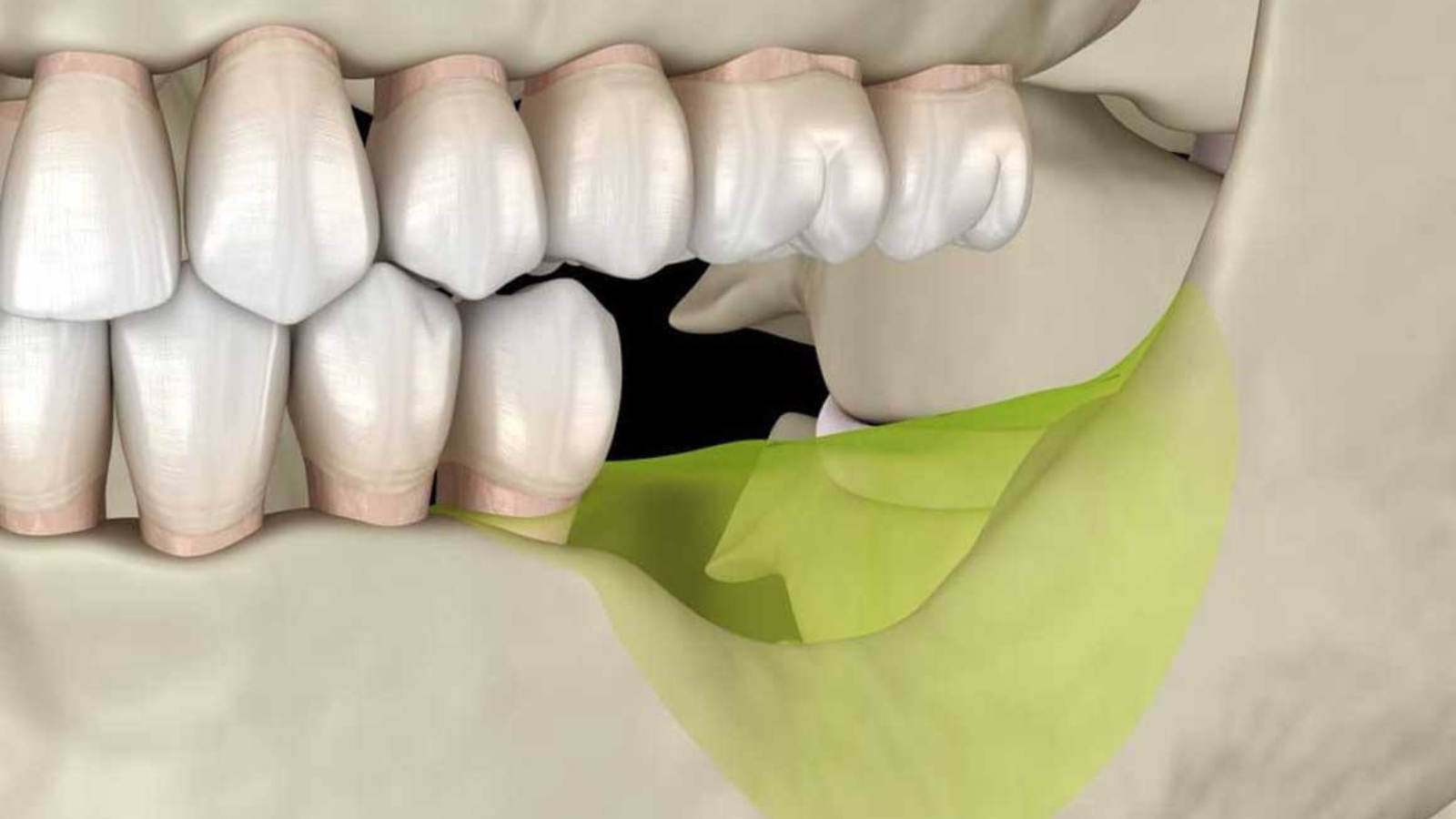
Many patients perceive tooth loss primarily as an aesthetic concern, without understanding its physiological implications. However, as Professor Alexander von Breuer believes, once the jaw area is no longer subjected to functional load, the process of bone tissue atrophy begins – sometimes within just a few weeks after extraction. At DentalClinic24, we view implant placement not simply as the restoration of appearance but as an essential measure to prevent further anatomical changes.
In the absence of a tooth, the bone gradually loses volume and density – the body does not maintain structures that no longer participate in function. At DentalClinic24, we assess the condition of the bone using 3D tomography and digital visualisation to evaluate the progression of atrophy and determine the optimal timing for intervention. According to Professor von Breuer, timely implant placement helps preserve natural contours and significantly simplifies the rehabilitation process.
Postponing treatment may lead to bite deformation, shifting of adjacent teeth and the potential need for bone grafting. At DentalClinic24, implant placement is carried out based on digitally pre-planned positioning, allowing us to integrate the implant in a physiologically correct manner and restore function without additional invasive steps. This approach reduces trauma and enhances the predictability of outcomes.
Individual anatomical factors also play a major role. At DentalClinic24, we evaluate bone quality, gingival profile and occlusal load distribution, involving multidisciplinary specialists if necessary. As Professor von Breuer believes, the timing of implant placement should be based not on visual appearance but on the long-term prospects of functional stability – and this principle is one we strictly adhere to.
Implant placement following tooth loss is not only an aesthetic restoration but also a preventive measure against progressive changes. At Dental Clinic24, our focus extends beyond the surgical procedure to establishing conditions for long-term implant integration. This approach helps preserve bone structure, prevent ongoing atrophy and give the patient confidence in the outcome.
Earlier, we wrote about bruxism and how nighttime teeth clenching affects health and when treatment is necessary