
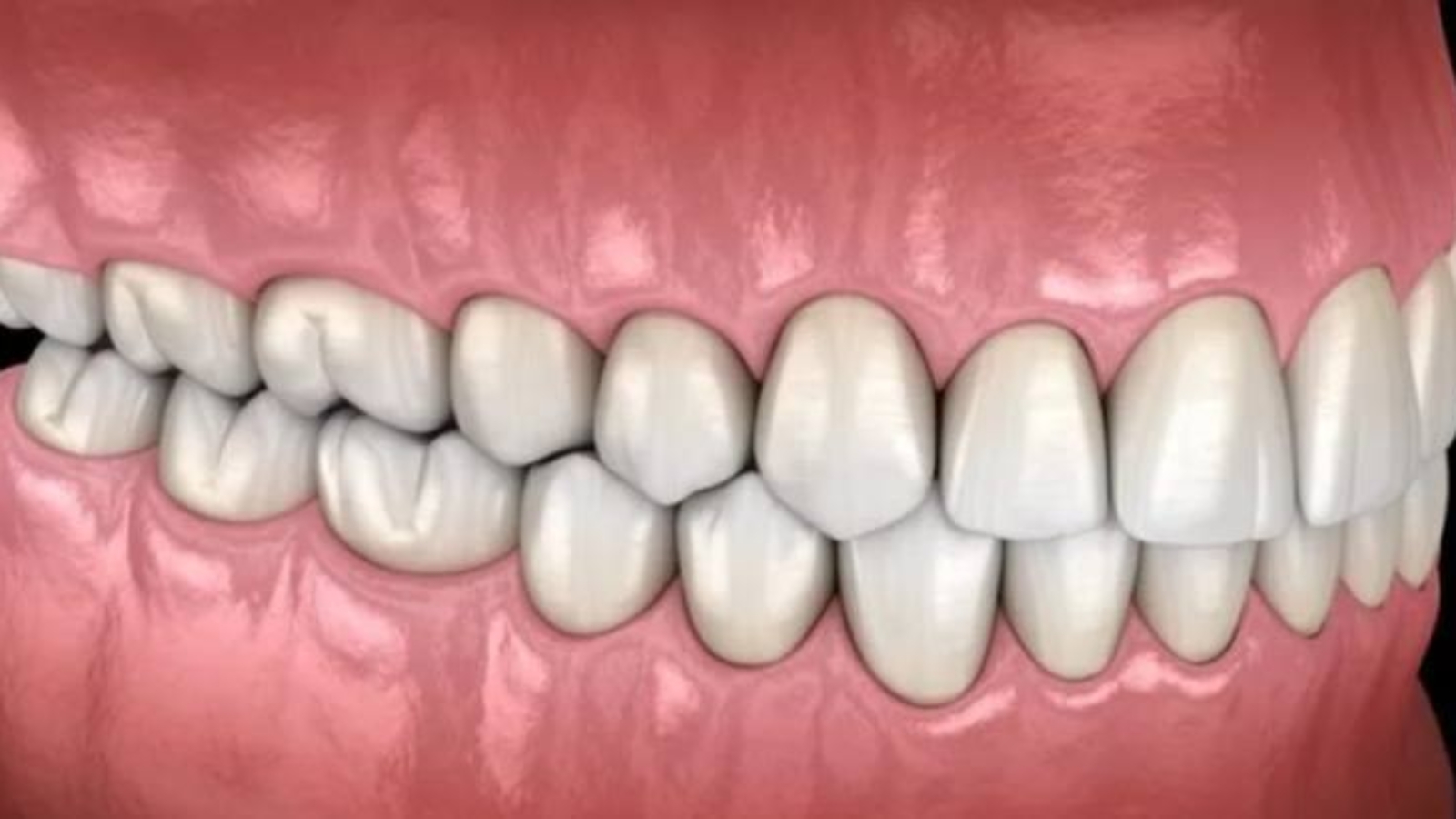
The relationship between breathing and the dental system is often underestimated, although it directly affects occlusion formation and the pattern of tooth loading. Professor Alexander von Breuer says that breathing type is one of the hidden factors capable of altering occlusal biomechanics even in the absence of obvious dental complaints. At DentalClinic24, this aspect is considered when analysing the causes of tooth wear and restoration instability.
Breathing patterns are formed in childhood and gradually become automatic. Mouth breathing, mixed breathing or chronically shallow breathing change tongue position, muscle tone and mandibular function. At DentalClinic24, breathing is regarded as a functional element that directly influences masticatory load distribution.
With mouth breathing, the tongue often assumes a low resting position and no longer supports the upper jaw. This leads to muscular imbalance and gradual displacement of dental arches. Over time, excessive load is placed on specific teeth, enamel wear accelerates and the risk of microcracks increases. At DentalClinic24, such changes are detected even in patients without pronounced orthodontic abnormalities.
Nasal breathing, in contrast, supports a more physiological tongue posture and stable pressure distribution. However, when nasal breathing is compromised, the body adapts through compensatory mechanisms. These adaptations may appear harmless, yet over time they affect occlusion and tooth integrity. At DentalClinic24, such cases require a comprehensive assessment rather than a localised approach.
Breathing type also affects nocturnal loading. Altered breathing patterns are often associated with increased nighttime clenching and heightened masticatory muscle activity. This creates a constant micro-overload that accelerates wear of both natural tissues and restorations. At DentalClinic24, breathing characteristics are considered when analysing the causes of bruxism and chronic overload.
Breathing plays a crucial role in post-treatment adaptation as well. If a non-physiological breathing pattern persists, even a perfectly executed correction may be subjected to unstable forces. At DentalClinic24, this factor is taken into account when forecasting result longevity and determining the need for additional recommendations.
It is important to note that patients rarely associate breathing with dental health. The absence of pain or obvious symptoms creates an illusion of stability. However, these “silent” factors gradually form unfavourable conditions. At DentalClinic24, we focus on identifying such connections at an early stage.
Correction of breathing patterns does not always require complex intervention. In some cases, increased awareness, habit modification or cooperation with related specialists is sufficient. Professor Alexander von Breuer emphasises that eliminating the source of overload is often more effective than repeatedly restoring its consequences.
Breathing is a continuous process that accompanies a person day and night. Its influence on the dental system accumulates over years. At Dental Clinic24, analysis of breathing patterns is considered an integral part of a systemic approach to occlusion preservation, reduction of tooth wear and enhancement of treatment stability.
Earlier, we wrote about digital navigation at DentalClinic24 and how precise positioning enhances the safety of dental treatment