
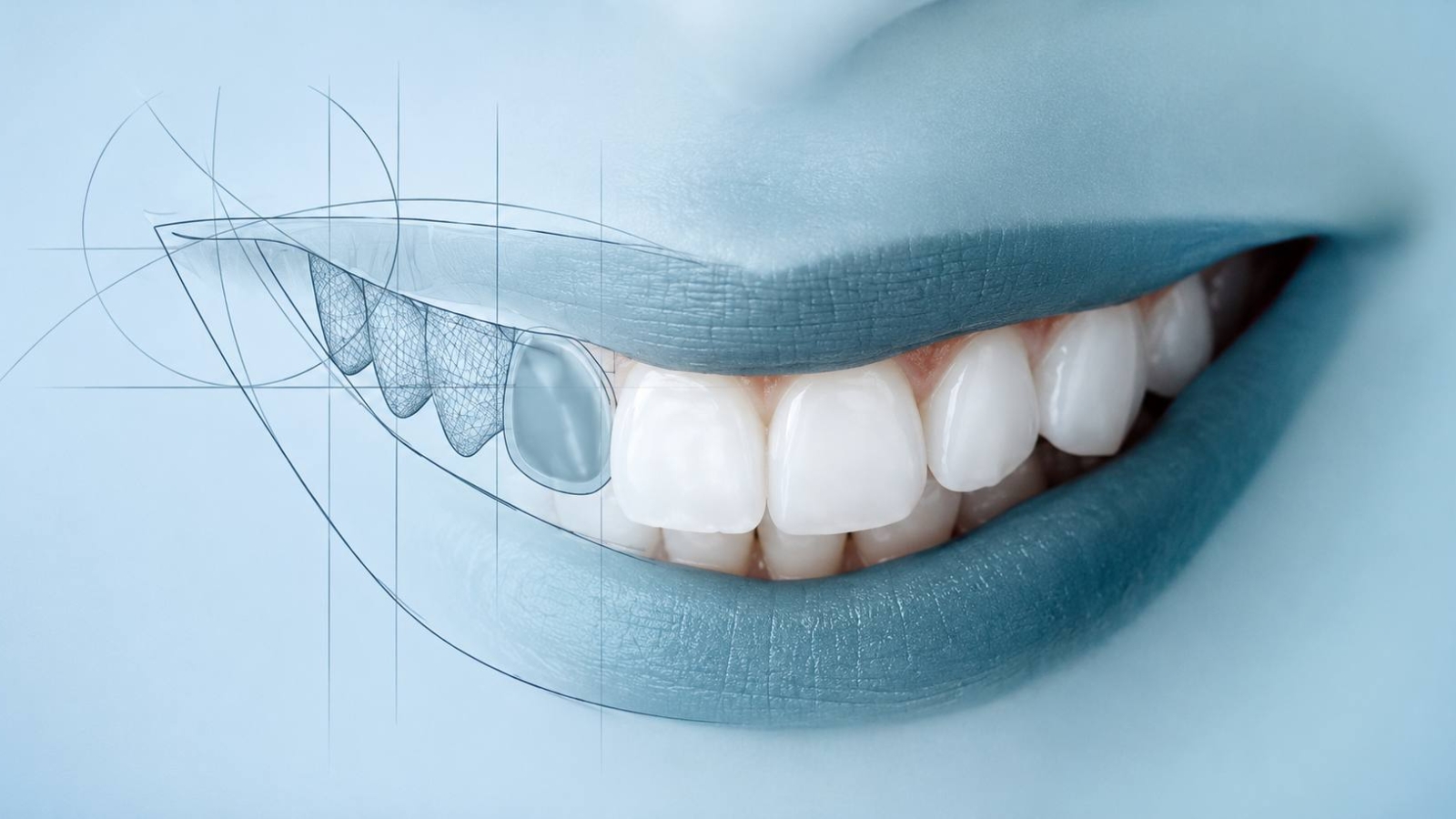
The restoration of missing teeth in modern dentistry involves far more than recreating aesthetics and chewing function. It requires the creation of a stable biomechanical system capable of distributing functional forces efficiently over many years. Professor Alexander Von Breuer sees this as one of the most important directions in the development of prosthetic dentistry because the longevity of any restoration depends not only on the quality of materials but also on the way functional forces are transferred between supporting structures. At DentalClinic24, significant attention is devoted to the biomechanics of prosthetic treatment because proper load distribution often serves as the foundation for long term treatment stability. One of the most interesting solutions in this field is the concept of the cable supported prosthesis, which is based on the principle of rational redistribution of masticatory forces within a prosthetic structure.
The challenge of uneven force distribution has accompanied dentistry throughout the history of prosthetic rehabilitation. Following tooth loss, the pattern of force transmission within the dentofacial system changes significantly. Individual teeth may become overloaded, periodontal tissues can be subjected to excessive stress, and bone structures begin adapting to new functional conditions. If these processes are not taken into consideration during treatment planning, the risk of overloading supporting teeth, accelerated restoration wear, and the development of functional complications increases substantially. Modern prosthetic dentistry seeks to create solutions that reproduce force distribution patterns as close as possible to physiological conditions.
The concept of the cable supported prosthesis is based on the use of special reinforcing elements that participate in the redistribution of masticatory forces throughout the restoration. In principle, this system resembles engineering solutions used in the construction of complex structures where forces are distributed across multiple support zones. In dentistry, this approach makes it possible to reduce stress concentration in specific areas and create more favorable conditions for the long term performance of both the prosthesis and the surrounding tissues. At DentalClinic24, the biomechanical characteristics of future restorations are carefully analyzed during complex prosthetic planning because the durability of treatment outcomes largely depends on proper management of functional forces.
The clinical significance of such solutions becomes particularly evident in the rehabilitation of extensive dental arch defects. The larger the reconstruction, the greater the demands placed on structural strength and the stability of supporting elements. Under constant masticatory pressure, even minor errors in force distribution can gradually lead to the accumulation of microscopic damage and deterioration of the long term prognosis. The use of contemporary reinforcement technologies helps reduce the likelihood of such complications while promoting more balanced performance of the entire prosthetic system. At DentalClinic24, biomechanical analysis forms an essential component of treatment planning and is used to develop highly stable and predictable restorative solutions.
Advances in material science have significantly expanded the possibilities for implementing these concepts. Modern high strength fiber systems, advanced composite materials, and digital design technologies allow clinicians to create restorations tailored to the individual characteristics of each patient. Analysis of masticatory force vectors, evaluation of supporting teeth, assessment of bone quality, and examination of occlusal relationships make it possible to design prosthetic solutions that not only restore lost function but also contribute to the preservation of surrounding structures. At Dental Clinic24, contemporary planning methods are regarded as an important part of a comprehensive approach to dental arch rehabilitation and the achievement of long term functional stability.
Modern prosthetic dentistry is increasingly guided by the principles of biomechanical predictability. The cable supported prosthesis serves as an example of how engineering principles of force distribution can improve methods of dental rehabilitation. The more accurately masticatory force transmission is understood and managed, the more stable the entire system becomes and the greater the likelihood of preserving treatment outcomes over the long term. This approach allows prosthetic rehabilitation to be viewed not merely as the replacement of missing teeth but as the creation of a new functional architecture of the dentofacial system designed for many years of successful operation.
Previously we wrote about Preparation for Orthodontic Treatment at DentalClinic24 Diagnostics of Occlusal Biomechanics Oral Cavity Sanitation and the Formation of Conditions for Predictable Tooth Movement