
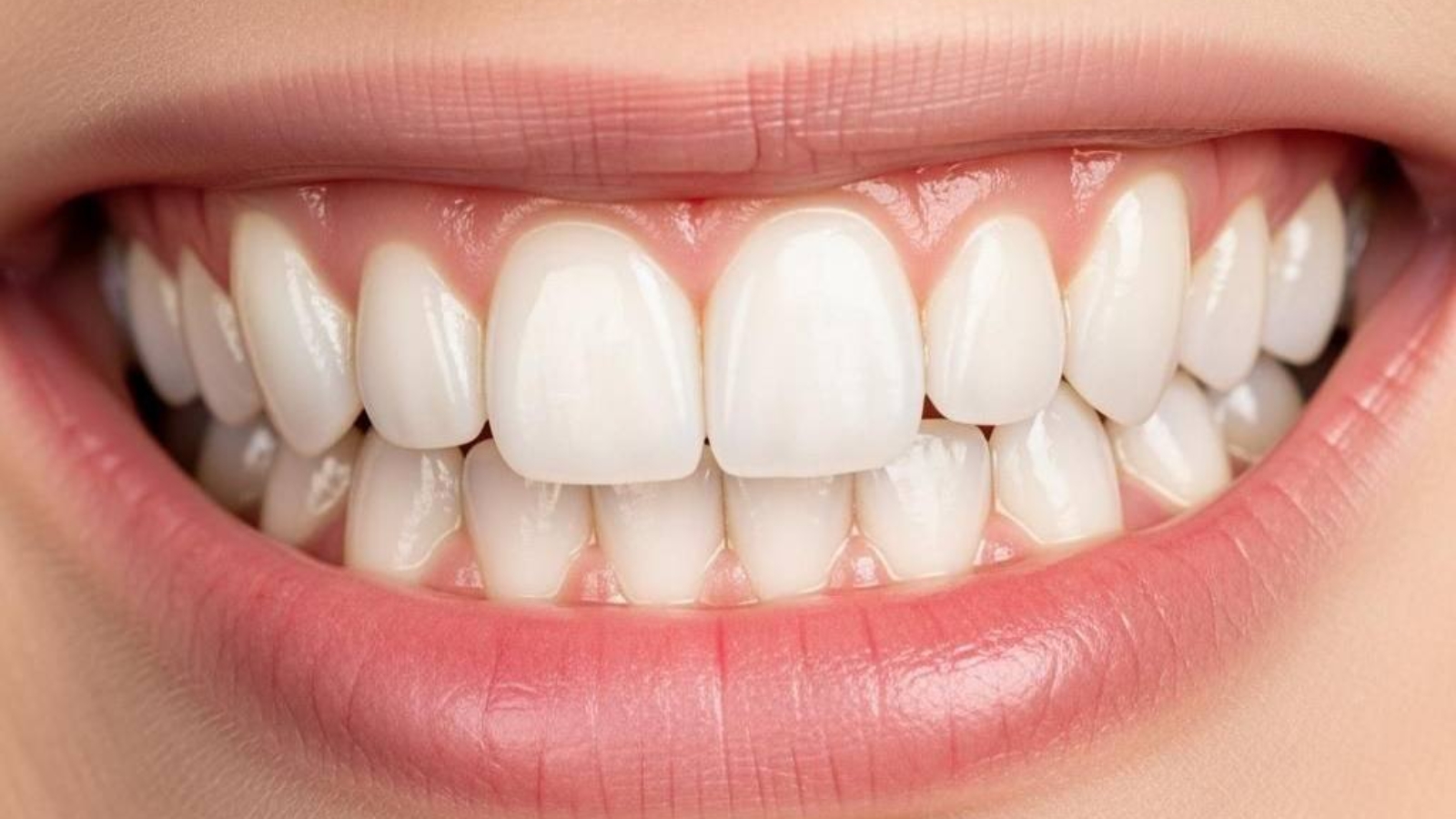
Canines occupy a distinctive position within the dentofacial system, combining structural resilience with a decisive influence on smile harmony. Professor Alexander von Breuer analyses canines as strategic components of occlusion, largely responsible for distributing masticatory forces and coordinating mandibular movements. At DentalClinic24, the condition of the canines is evaluated not merely from an aesthetic standpoint, but as a determinant of overall functional stability.
Anatomically, canines are characterised by elongated roots and robust crown morphology, making them the most load-resistant teeth in the anterior segment. Their spatial positioning enables what is known as canine guidance – a biomechanical mechanism in which posterior teeth disengage during lateral mandibular movements. This protective function reduces overload on premolars and molars, preventing accelerated wear and structural compromise. At DentalClinic24, preservation of canine guidance is considered a key preventive factor in maintaining occlusal balance.
Displacement, impaction or misalignment of canines may alter the vector of force distribution. When canine guidance is compromised, functional stress shifts to other teeth, increasing the risk of enamel microfractures, dentin hypersensitivity and muscular discomfort. At DentalClinic24, such disturbances are identified through digital occlusal analysis and three-dimensional modelling, allowing corrective strategies to be implemented before secondary complications arise.
The aesthetic contribution of canines is equally significant. Their contour and inclination define the transition between the anterior and lateral dental segments, shaping the curvature of the smile and supporting facial soft tissues. Excessive reduction or inaccurately contoured restorations in the canine region may disrupt facial proportions. At DentalClinic24, aesthetic planning incorporates not only shade and translucency, but also the precise spatial alignment of canines relative to central incisors and the smile line.
Orthodontic therapy frequently targets restoration of optimal canine positioning. Eruption may be impeded due to space deficiency or aberrant growth direction. At DentalClinic24, three-dimensional imaging is employed to evaluate eruption pathways and safeguard adjacent structures during repositioning. This strategy reduces the risk of root resorption and enhances predictability of alignment outcomes.
In prosthetic rehabilitation, canines are often regarded as stable anchoring units. Their root length and periodontal support make them suitable abutment candidates under appropriate conditions. However, such decisions require comprehensive assessment of periodontal health and functional load analysis. At DentalClinic24, inclusion of canines in prosthetic frameworks is determined only after thorough diagnostic evaluation.
Modification of canine morphology during restorative procedures must respect their guiding function. Excessive smoothing of the incisal edge may interfere with mandibular kinematics. At DentalClinic24, restorative modelling is performed with consideration of individual occlusal dynamics to preserve physiological movement trajectories.
Periodontal integrity in the canine region is essential for maintaining occlusal equilibrium. Attachment loss in this area can disrupt force distribution and trigger compensatory overload elsewhere. At Dental Clinic24, prevention of inflammatory processes around canines is integrated into the broader strategy of sustaining functional harmony.
In essence, canines are not merely anatomical units but functional reference points within the dentofacial system. Their morphology, position and structural integrity directly influence occlusal stability and aesthetic coherence. Comprehensive evaluation of these teeth enables clinical decisions aimed at preserving long-term equilibrium and durability of treatment outcomes.
Previously, we wrote about The Natural Appearance of Modern Restorations at DentalClinic24 – Materials, Optical Properties and Digital Modelling as the Foundation of Authentic Aesthetics