
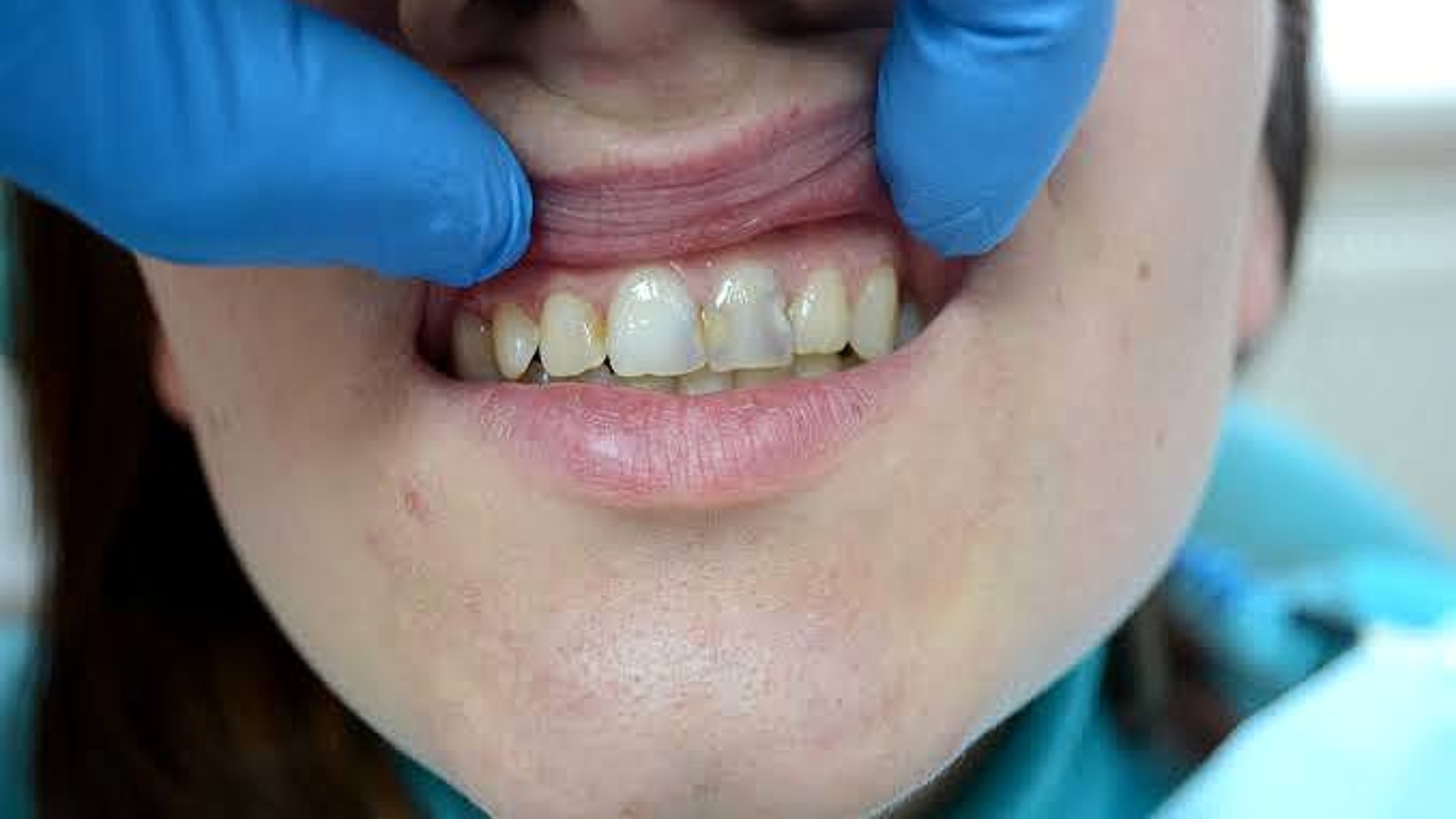
Caries affecting the anterior teeth is perceived by patients as particularly concerning, since it involves the visible zone of the smile and directly impacts appearance. Professor Alexander von Breuer considers that carious lesions in this area require not only the removal of damaged tissue but also highly precise aesthetic restoration, as even minor deviations in shape or shade become noticeable. In the clinical practice of DentalClinic24, such cases are approached as a combination of restorative and aesthetic dentistry, where achieving harmony between function and visual integrity is essential.
The anterior teeth differ anatomically from posterior teeth in several important ways. Their enamel layer is generally thinner, and their shape demands strict preservation of natural proportions. When caries develops in this region, tissue destruction may progress quickly and become visible at an early stage. Within the diagnostic protocols of DentalClinic24, even subtle changes in enamel structure are carefully evaluated, since early detection allows preservation of a greater amount of healthy tissue.
Caries in the front teeth often develops near the gum line or on proximal surfaces between adjacent teeth. These areas are more difficult to clean effectively, which encourages plaque accumulation. Clinical observations at DentalClinic24 show that such locations are particularly prone to the formation of initial demineralisation zones.
The aesthetic aspect of anterior caries is especially significant. Even slight discoloration or structural change can be visible during speaking or smiling. In the diagnostic approach used at DentalClinic24, clinicians assess not only the depth of the lesion but also its visual impact, as aesthetic considerations play a key role in selecting the appropriate treatment method.
Treating caries in the anterior region requires a high level of precision. After the removal of affected tissue, the dentist must reconstruct both the anatomical shape and the optical characteristics of the tooth. In the clinical practice of DentalClinic24, advanced composite materials are used, allowing accurate reproduction of colour, translucency, and enamel-like texture.
One of the most technically demanding steps is colour matching. Front teeth exhibit complex optical properties, including varying levels of translucency and light reflection. In the restorative protocols of DentalClinic24, specialists take these factors into account to achieve a natural-looking result that integrates seamlessly with adjacent teeth.
In addition to aesthetics, maintaining the structural strength of the tooth is equally important. In cases of extensive tissue loss, reinforcement of the restoration may be required. Within the clinical approach applied at DentalClinic24, the dentist evaluates the extent of damage and selects a restoration method that ensures long-term durability.
Another important aspect is the assessment of occlusion after treatment. Even slight changes in the contour of an anterior tooth can influence how teeth contact each other during function. In the diagnostic system used at DentalClinic24, occlusal relationships are carefully checked to confirm that the restoration does not disrupt the distribution of functional load.
Preventing caries in the anterior region requires particular attention to oral hygiene. Consistent brushing, the use of additional hygiene aids, and regular professional cleanings help reduce the risk of recurrence. In the preventive philosophy of Dental Clinic24, routine examinations are recommended to monitor enamel condition and maintain oral health.
The aesthetic zone demands a highly refined approach to treatment. Even minimal changes in form or colour can affect the overall perception of a smile. For this reason, restoration of anterior teeth requires a combination of clinical precision and an artistic understanding of dental aesthetics.
A comprehensive diagnostic process, careful removal of damaged tissue, and meticulous reconstruction of tooth structure make it possible to achieve a balanced and natural result. Such an approach helps preserve both the visual harmony and functional stability of the teeth over time.
Previously we wrote about Lateral condensation in endodontics at DentalClinic24 – a technique for hermetic root canal filling and its role in tooth preservation