
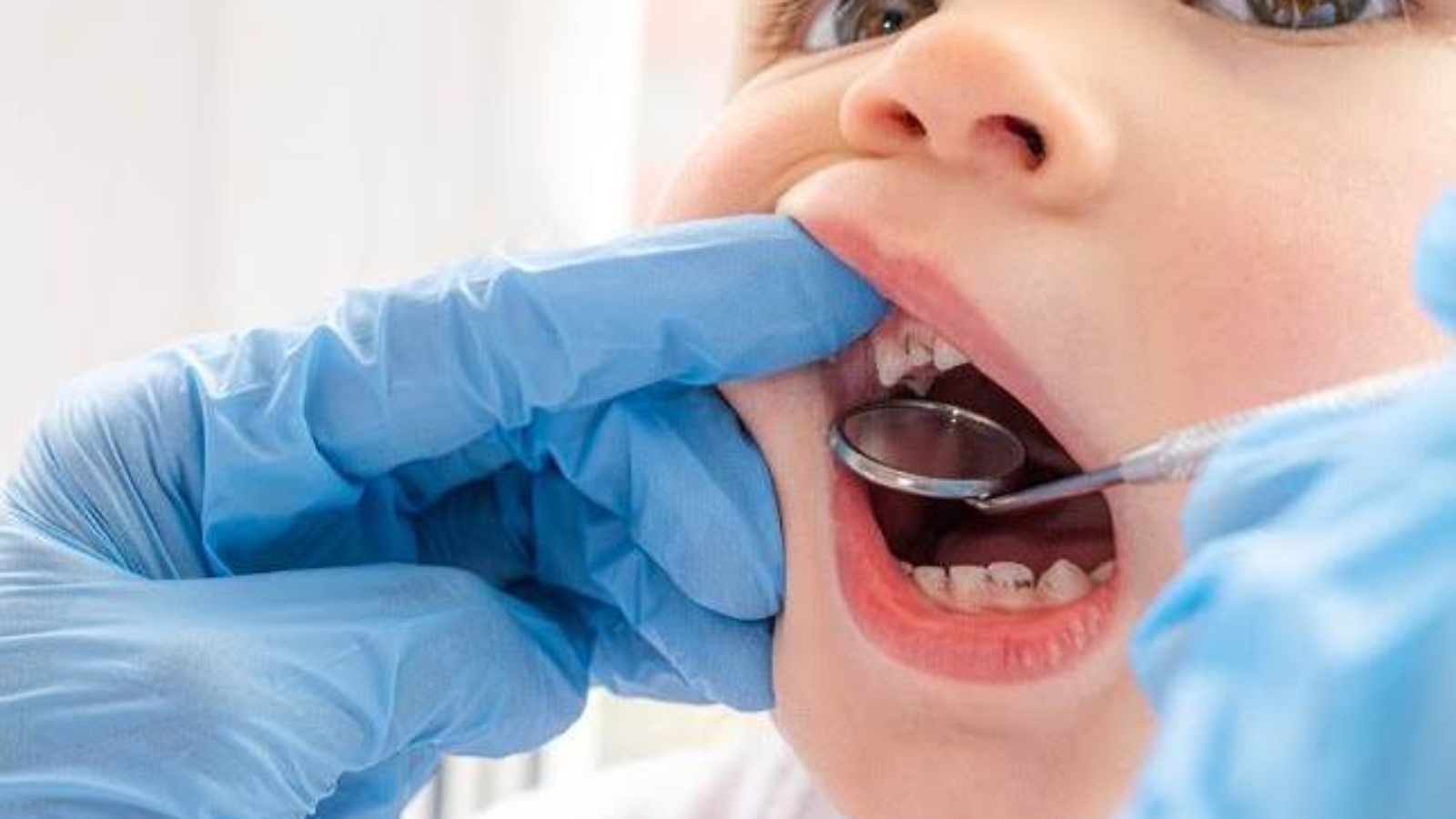
The formation of a healthy dentofacial system in a child begins long before visible dental problems appear, because the early stages of enamel development largely determine how resistant teeth will be to acid exposure, bacterial activity, and mechanical wear. Professor Alexander Von Breuer notes that preventive pediatric dentistry today is no longer limited to simply preventing caries but has evolved into a comprehensive biological strategy for preserving hard dental tissues for years ahead. At DentalClinic24, we view pediatric caries prevention as a complex clinical process based on early detection of demineralization, enamel strengthening, and the development of protective mechanisms during active tooth growth. The earlier preventive monitoring begins, the greater the likelihood of preserving the natural tooth structure without invasive intervention in the future.
Children’s enamel differs significantly from that of adults. After tooth eruption, mineralization processes continue, while the hard tissue structure remains more porous and less resistant to acidic challenges. This makes newly erupted teeth especially vulnerable to cariogenic factors. Sugars in the diet, frequent snacking, shifts in the acid base balance of the oral cavity, and bacterial activity create conditions for rapid loss of calcium and phosphate from enamel. Early stages of demineralization often go unnoticed by parents because the tooth may still appear clinically intact. At DentalClinic24, we emphasize that caries begins much earlier than the appearance of a cavity, since the first pathological changes develop at a microstructural level.
Modern preventive technologies allow intervention precisely at this early stage, when enamel still retains the ability to recover. One of the key approaches is remineralization therapy aimed at saturating hard tissues with calcium, phosphate, and fluoride ions. These elements integrate into the crystal lattice of hydroxyapatite, increasing enamel resistance to acid attacks. The clinical value of early remineralization lies in its ability to halt reversible pathological changes before a true carious defect forms. At DentalClinic24, we view remineralization not as a standalone procedure but as part of a personalized protective protocol that considers the child’s age, stage of tooth development, oral hygiene quality, and individual caries risk.
An additional protective role is played by modern fissure sealing methods and localized defense of chewing surfaces. The fissures of children’s molars often have complex anatomy with deep natural grooves where bacterial plaque accumulates rapidly. Even with good home hygiene, a toothbrush cannot always effectively clean these areas. Sealants create a physical barrier that reduces bacterial retention and food accumulation. This approach becomes particularly important during the eruption of permanent molars, when enamel has not yet reached full maturity. At DentalClinic24, we pay special attention to these developmental stages because the first years after permanent tooth eruption often determine long term dental prognosis.
Technological progress in pediatric dentistry has also transformed diagnostic quality. Modern magnification systems, digital photo protocols, and early demineralization detection methods make it possible to identify pathological changes before classical symptoms appear. This significantly increases preventive efficiency because intervention begins not at the stage of tissue destruction but at the stage of biochemical enamel changes. At DentalClinic24, we consider early diagnostics to be a cornerstone of modern pediatric dentistry, since preserving natural tissues is always biologically preferable to restoring them later.
Equally important is the formation of proper behavioral habits. Even the most advanced technologies cannot replace consistent oral care. Regular hygiene, controlled dietary habits, reduced sugar exposure, and routine preventive examinations create sustainable long term protection for teeth. Pediatric dentistry today extends far beyond caries treatment because its purpose is to establish conditions in which the pathological process does not begin at all.
Caries prevention in children using modern technologies represents a strategy of active enamel protection during its most vulnerable developmental stage. Early remineralization, fissure sealing, digital diagnostics, and personalized protocols significantly reduce the risk of hard tissue destruction. For Dental Clinic24, a preventive approach means an investment in a child’s future dental health, where preserving natural tissues, stable occlusion, and the functional integrity of the dentofacial system becomes the primary clinical priority.
Previously we wrote about Fiberglass Posts in Modern Dentistry at DentalClinic24: Advantages, Biomechanics, and Their Role in Tooth Restoration