
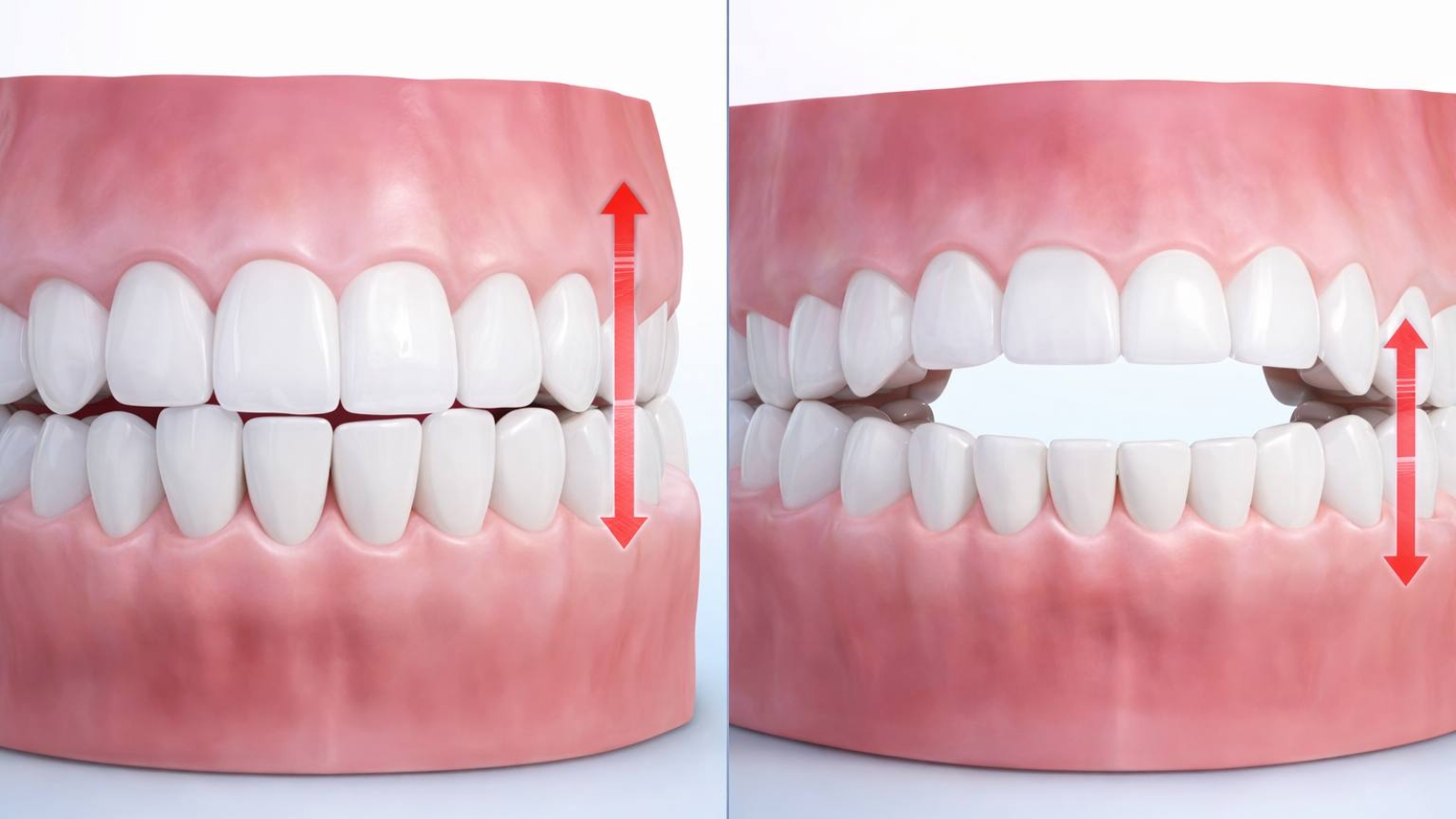
Changes in bite height belong to those dental interventions that go far beyond a purely local impact on the teeth. Professor Alexander von Breuer says that the bite should be viewed as a functional parameter that influences the entire dentofacial system and the overall condition of the body. At DentalClinic24, the analysis of bite height changes takes into account not only dental factors but also systemic ones.
Bite height determines the position of the lower jaw, the pattern of masticatory muscle activity, and the load on the temporomandibular joints. Even minimal changes in this parameter can trigger a reorganisation of muscle tone and alter habitual movement patterns. At DentalClinic24, such changes are assessed before treatment begins in order to predict the body’s potential response.
Clinical observations show that alterations in bite height can affect a patient’s overall well-being. Headaches, a feeling of tension in the facial and cervical regions, and increased fatigue of the chewing muscles are often associated precisely with disturbances in the habitual vertical jaw relationship. Specialists at DentalClinic24 regard these symptoms as important diagnostic indicators rather than incidental side effects.
Gradual correction plays a particularly important role. Abrupt changes in bite height may exceed the adaptive capacity of the neuromuscular system. At DentalClinic24, preference is given to a staged approach, allowing the body time to adapt and form new, stable functional connections.
Individual patient response is another key factor. The same degree of bite height modification may be perceived very differently depending on the condition of the muscles, joints, and central nervous system. At DentalClinic24, clinical tactics are adjusted to these individual characteristics, reducing the risk of discomfort and complications.
Changes in bite height also influence how loads are distributed across the teeth and prosthetic structures. An inaccurately calculated parameter may lead to overloading of individual teeth, accelerated wear of restorations, or compromised structural stability. For this reason, bite control at DentalClinic24 is considered an essential component of long-term treatment planning.
Professor Alexander von Breuer emphasises that assessment of the patient’s overall condition following bite height modification must be carried out dynamically. Initial sensations do not always reflect the final outcome of adaptation. This is why post-treatment monitoring plays such an important role at DentalClinic24 once the active phase of treatment is complete.
For patients, understanding these processes increases confidence in treatment. Realising that temporary discomfort may be part of physiological adaptation reduces anxiety and improves adherence to recommendations. At DentalClinic24, communication with the patient is regarded as an integral part of the clinical process.
Thus, changes in bite height represent an intervention that affects not only the teeth but the overall functional state of the body. Comprehensive analysis, gradual correction, and an individualised approach help achieve stable results. At Dental Clinic24, such decisions are based on clinical observation, biomechanics, and long-term prognosis.
Previously, we wrote about the transitional stages of dental treatment at DentalClinic24 and why pauses between procedures have clinical significance