
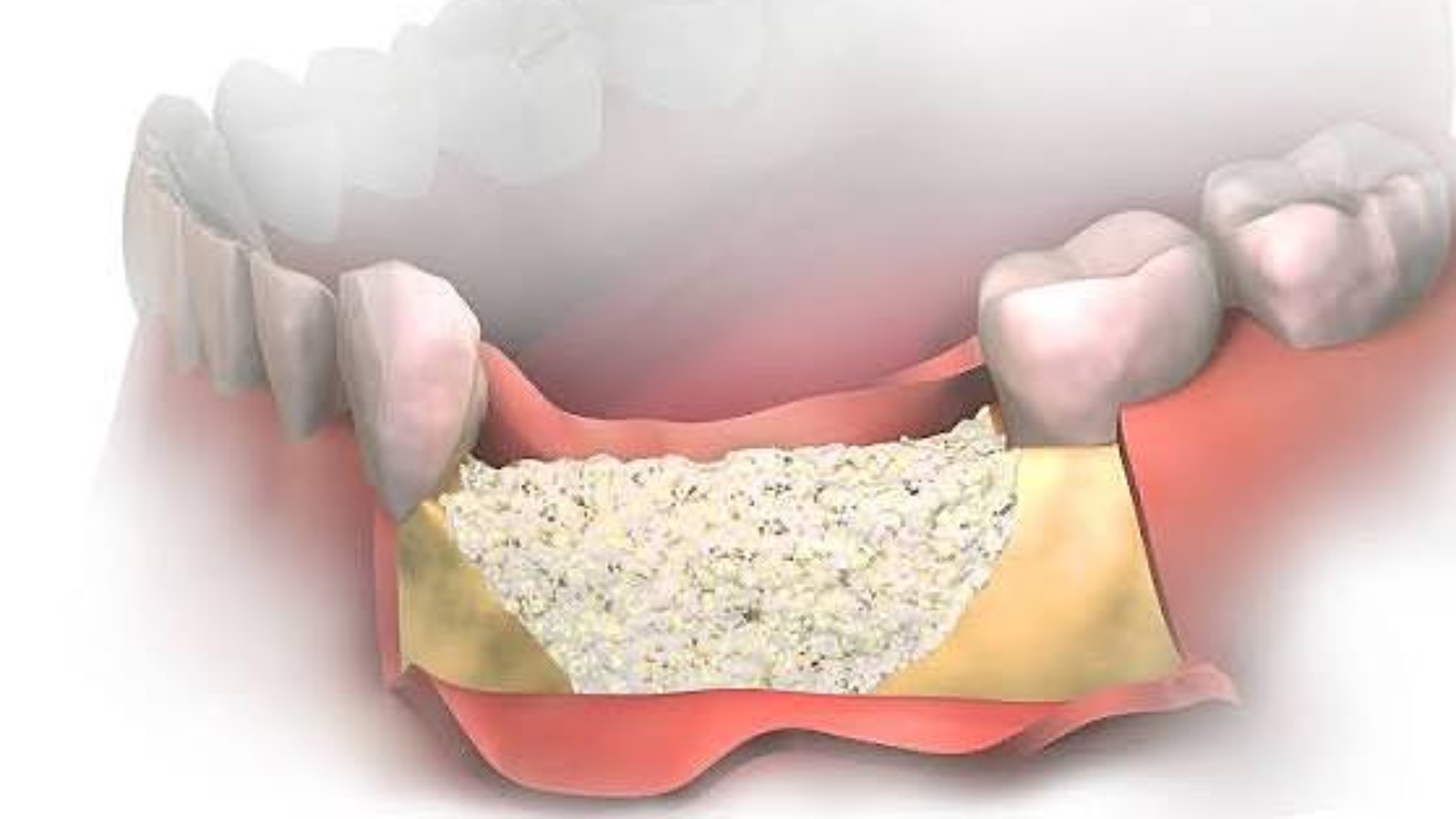
Tooth extraction inevitably initiates a cascade of biological changes in bone tissue that begin within the first weeks after the procedure. Professor Alexander von Breuer emphasises that the loss of a tooth is not merely the removal of a functional unit, but the beginning of structural remodelling of the alveolar bone which, if not properly managed, may lead to pronounced atrophy. At DentalClinic24, the analysis of post-extraction changes is considered a crucial stage in planning further treatment – from implant placement to comprehensive prosthetic rehabilitation.
After extraction, the socket gradually fills with a blood clot that serves as a biological matrix for subsequent regeneration. However, physiological resorption of the alveolar walls begins at an early stage. The most significant changes typically occur during the first three to six months, when both the height and width of the alveolar ridge decrease. At DentalClinic24, these processes are evaluated not only from the perspective of current healing, but also in relation to the long-term stability of future restorations.
Bone resorption follows a predictable pattern – the vestibular plate most often undergoes more intensive reduction, leading to changes in gingival contours and the profile of soft tissues. This is especially critical in the aesthetic zone of the smile. Without timely intervention, volume deficiency may develop, complicating implant placement and potentially requiring additional surgical procedures. At DentalClinic24, the prevention of such changes begins already at the stage of planning the extraction itself.
Clinical analysis of post-extraction dynamics includes assessment of anatomical features, bone density and the patient’s overall health status. Systemic factors – age, metabolic disorders, smoking, hormonal changes – also influence the rate of resorption. At DentalClinic24, all these parameters are taken into account when selecting the optimal strategy – from socket preservation techniques to staged reconstruction of the alveolar ridge.
One of the key approaches is the preservation of bone volume immediately after tooth removal. The application of alveolar preservation methods helps minimise tissue loss and create favourable conditions for subsequent implant placement. Such an approach reduces the need for extensive bone grafting in the future and makes treatment more predictable. At DentalClinic24, these decisions are made individually – considering both functional and aesthetic objectives.
If bone volume restoration is not performed in a timely manner, a deficiency develops that affects not only the feasibility of implant placement but also the distribution of masticatory load. Insufficient volume may alter the load axis and increase stress in surrounding tissues. At DentalClinic24, these risks are analysed in advance – during three-dimensional diagnostics and digital treatment planning.
It is important to understand that changes in bone tissue also affect soft tissues. Ridge atrophy leads to reduced gingival support, altered smile contours and potential aesthetic deficiencies. Therefore, volume restoration is regarded not only as a surgical task, but as an element of a comprehensive prosthetic strategy. At DentalClinic24, bone regeneration is integrated into the overall treatment plan, ensuring both functional and visual harmony.
Biological regenerative processes require time and careful monitoring. Observation of healing dynamics, assessment of new bone formation and adaptation of soft tissues are essential stages. At DentalClinic24, the post-extraction period is viewed as an active phase of treatment rather than a pause between procedures.
Thus, changes in bone tissue after tooth extraction are a natural yet manageable process. Timely volume restoration preserves anatomical landmarks, ensures the stability of future restorations and reduces the risk of complications. At Dental Clinic24, clinical analysis of post-extraction changes forms the basis of a long-term rehabilitation strategy aimed at maintaining both function and aesthetics of the dentofacial system.
Previously, we wrote about Hemisection of a Tooth at DentalClinic24 – An Organ-Preserving Surgical Technique for Localised Root System Lesions