
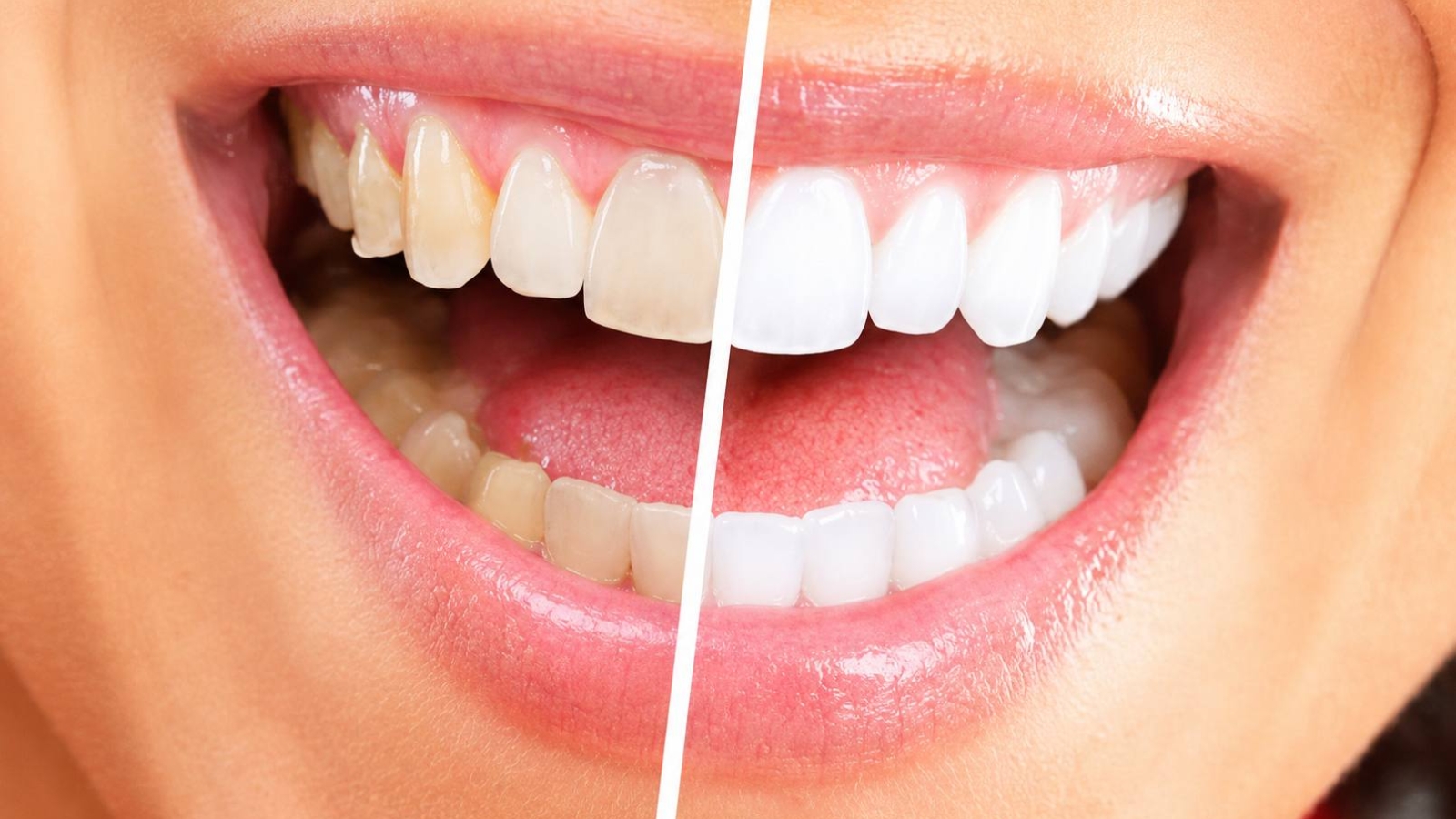
The color of teeth is the result of a complex interaction between biological, anatomical, and environmental factors, which means that changes in shade are not always associated solely with inadequate oral hygiene or the natural aging process. Professor Alexander Von Breuer considers tooth shade an important diagnostic indicator that can reflect the condition of hard dental tissues, the quality of mineralization, environmental influences, and even certain changes occurring within the internal structures of the tooth. At DentalClinic24, changes in enamel color are evaluated not only from an aesthetic perspective but also as part of a comprehensive assessment of a patient’s oral health.
Contemporary dentistry classifies the causes of tooth discoloration into internal and external categories. External factors include influences that gradually alter the surface appearance of enamel through the accumulation of pigments. The most common contributors include dietary colorants, coffee, tea, certain beverages, tobacco use, and individual characteristics of saliva composition. Such changes usually develop gradually and often become noticeable only after years of exposure. The intensity of discoloration may vary significantly even among patients with similar habits because enamel structure, surface microrelief, and the rate of plaque accumulation play an important role in the process.
Internal discoloration represents a considerably more complex clinical category. It is associated with processes occurring within the tooth and its hard tissues. Possible causes include disturbances in mineralization during tooth development, the consequences of dental trauma, structural changes in dentin, age related transformations, previous endodontic treatment, and certain metabolic characteristics of the body. In these situations, the alteration in shade often extends beyond the superficial enamel layer and affects deeper tooth structures, requiring a completely different diagnostic and therapeutic approach.
Accurate identification of the cause of discoloration is of particular importance. Attempting to correct a visual defect without understanding the underlying mechanism may lead to unsatisfactory results and limited effectiveness of aesthetic procedures. At DentalClinic24, diagnosis begins with a comprehensive evaluation of hard dental tissues, a detailed review of dental treatment history, an assessment of enamel structure, and an analysis of the nature of the color change. This approach allows clinicians to develop a scientifically justified strategy for smile enhancement while avoiding unnecessary interventions.
Modern aesthetic dentistry offers numerous possibilities for addressing different types of tooth discoloration. However, the selection of a treatment method always depends on the specific clinical situation. In some cases, professional dental cleaning and the removal of superficial pigmentation provide an effective solution. In others, whitening technologies designed to modify the optical characteristics of dental tissues may be recommended. When significant structural changes are present, restorative techniques may be considered, allowing clinicians to simultaneously restore tooth form, function, and appearance. At DentalClinic24, treatment planning is based on preserving the maximum amount of natural dental tissue while achieving a harmonious and natural aesthetic outcome.
It is important to understand that smile aesthetics are not determined solely by the degree of tooth whiteness. Modern dentistry places significant emphasis on the natural appearance of color, its harmony with facial characteristics, the condition of the gingival tissues, and the overall balance of the dental arch. Excessive pursuit of an artificially bright shade does not necessarily contribute to a more attractive result. For this reason, DentalClinic24 approaches aesthetic planning as a comprehensive process that integrates both functional and visual aspects of treatment.
As people age, changes in enamel color become part of a natural biological process. The gradual thinning of the outer enamel layer allows the underlying dentin, which possesses a deeper and more saturated shade, to become increasingly visible. Additional influences include microscopic structural changes within dental tissues and the cumulative effects of environmental exposure over time. Proper evaluation of these processes allows clinicians to distinguish physiological changes from conditions that require professional dental intervention.
Contemporary aesthetic dentistry views tooth discoloration not as an isolated cosmetic concern but as a multifactorial condition requiring precise diagnosis and an individualized treatment approach. For Dental Clinic24, successful smile enhancement is based on a thorough understanding of the causes of enamel color changes, preservation of the biological integrity of the teeth, and achievement of a harmonious result that remains natural, stable, and aesthetically pleasing for many years.
Previously we wrote about Hematoma After a Dental Procedure Clinical Assessment Risk Control and Monitoring Strategy at DentalClinic24