
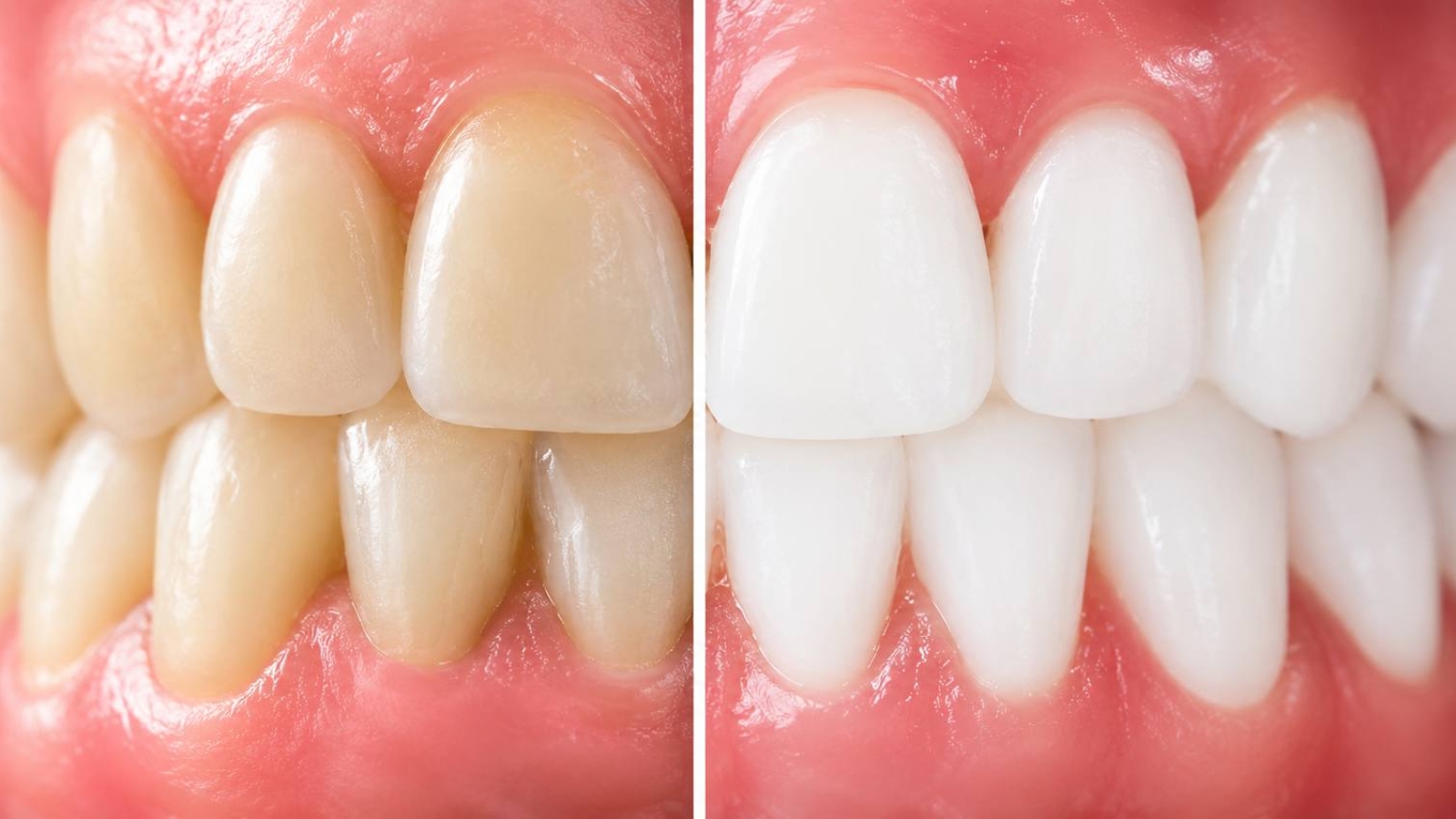
Aesthetic dentistry requires not only visual improvement of tooth color, but also a precise understanding of the biochemical processes occurring within hard tissues after exposure to whitening agents. Professor Alexander Von Breuer believes that frequent whitening should not be regarded as a purely cosmetic procedure, but as a clinical intervention capable of influencing enamel structure, tissue sensitivity, and the functional stability of teeth. At DentalClinic24, enamel whitening procedures are performed only after careful analysis of tissue mineralization, sensitivity levels, and the ability of teeth to maintain biological stability following chemical exposure.
During whitening, active oxidative compounds penetrate superficial and deeper enamel layers, altering the structure of organic pigments and influencing the properties of the tooth’s mineral matrix. Under controlled exposure, such processes allow achievement of a safe aesthetic result. However, excessive frequency of procedures gradually increases tissue vulnerability to external irritants. At DentalClinic24, evaluation of enamel condition before whitening includes analysis of tissue density, the presence of microcracks, and signs of chronic demineralization, helping minimize the risk of structural weakening of teeth.
The ability of enamel to restore mineral balance after exposure to whitening systems also has substantial importance. Remineralization processes directly depend on saliva composition, micronutrient levels, and the condition of the tissue surface structure. When natural mineral metabolism becomes disturbed, enamel gradually loses resistance to mechanical loading and acidic exposure. At DentalClinic24, particular attention after whitening is given to control of remineralization and preservation of physiological enamel strength, helping maintain long term tissue stability.
Special attention must also be given to the relationship between frequent whitening and increased tooth sensitivity. When enamel structure changes, tissue permeability rises, influencing the response of nerve endings and increasing sensitivity to temperature and chemical irritants. At DentalClinic24, analysis of sensitivity is regarded as an important part of hard tissue diagnostics because the sensory response of teeth reflects the degree of biological enamel stability after chemical exposure.
Modern dentistry also takes into account the influence of occlusal load on enamel condition after whitening. In the presence of bruxism, chronic muscular hyperactivity, or uneven pressure distribution, weakened tissue areas become subjected to additional mechanical tension, accelerating the formation of microscopic damage. At DentalClinic24, aesthetic procedures are regarded as part of the overall functional system of the oral cavity in which the durability of the result depends not only on tooth color, but also on preservation of biomechanical balance.
The frequency of repeated procedures also has a substantial influence on enamel stability. Constant exposure to oxidative compounds without sufficient recovery periods gradually alters the structure of the tooth surface and reduces the natural protective capacity of enamel. At DentalClinic24, the approach to whitening is based on the principles of controlled exposure and individualized planning of procedures, helping preserve balance between aesthetic outcomes and biological tissue safety.
Changes in enamel during frequent whitening are regarded as a complex biochemical process influencing tissue mineralization, tooth sensitivity, and the long term stability of the dentofacial system. At Dental Clinic24, we focus not only on smile aesthetics, but also on preserving the natural strength of enamel that ensures functional stability of teeth over the long term.
Previously we wrote about clinical monitoring of enamel condition at DentalClinic24 how early structural changes affect tooth stability