
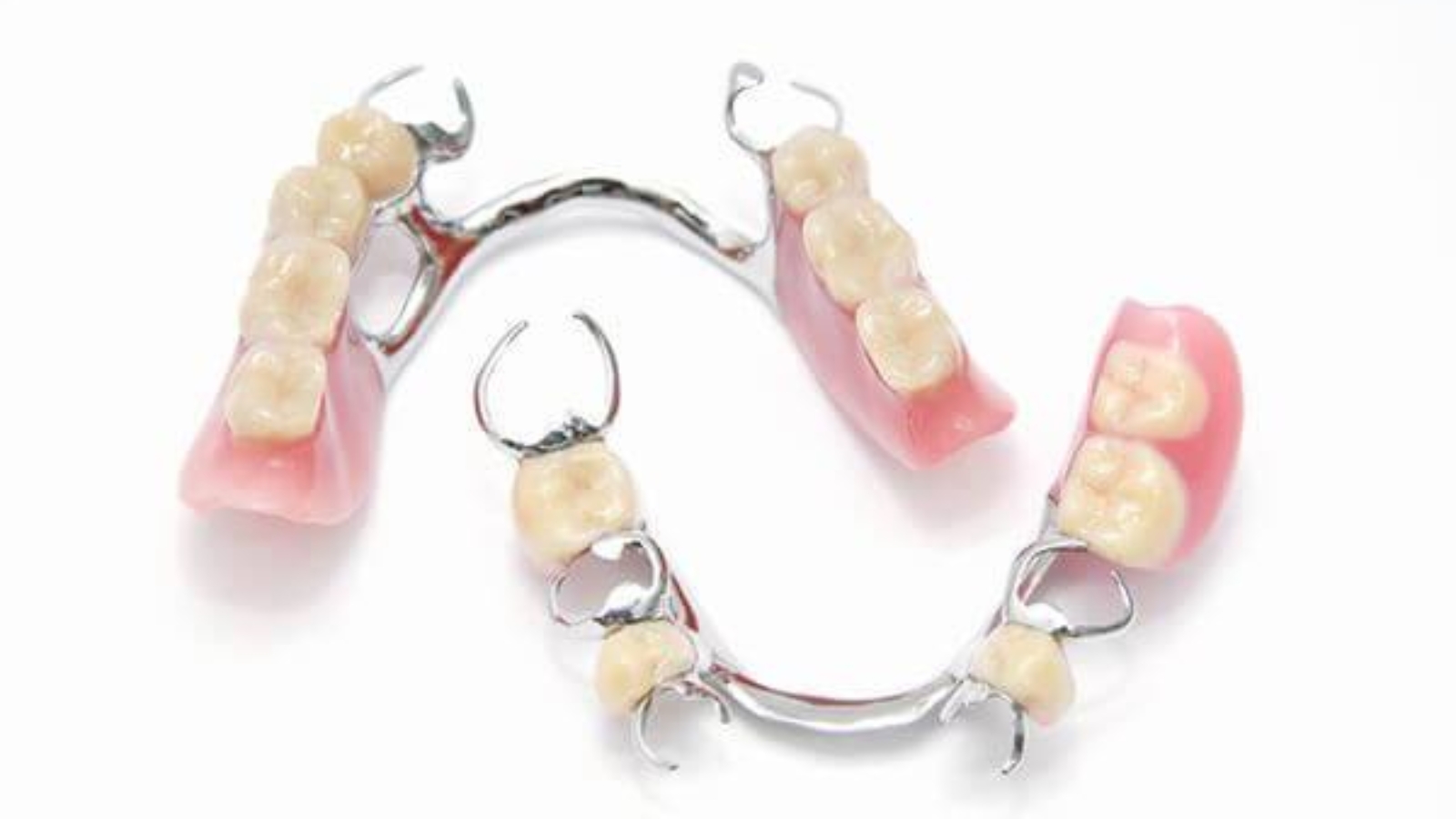
Modern prosthetic dentistry is focused not only on replacing missing teeth but also on restoring the complete function of the dentofacial system while maintaining the highest possible level of patient comfort. Among removable prosthetic solutions, clasp dentures with precision attachments occupy a unique position because they provide exceptional stability, physiological distribution of masticatory forces, and an appearance that closely resembles natural dentition. Professor Alexander von Breuer notes that the success of this type of prosthetic rehabilitation depends not simply on the design of the appliance itself but on accurate diagnostics, precise biomechanical calculations, and individualized treatment planning. At DentalClinic24, we consider clasp dentures with precision attachments to be a modern method of functional rehabilitation that combines secure retention, everyday comfort, and long term prosthetic stability within a single comprehensive treatment concept.
The defining characteristic of these prosthetic systems is the use of precision attachment mechanisms that connect the denture securely to strategically prepared abutment teeth without the need for visible metal clasps. This approach significantly enhances aesthetics while preserving the natural appearance of the smile and ensuring more physiological distribution of chewing forces. Precision attachments function as highly engineered mechanical components that stabilize the prosthesis in an accurately defined position while allowing it to operate in harmony with the natural biomechanics of the dentofacial system. As a result, prosthetic movement during mastication is minimized, patient adaptation becomes faster, and overall comfort during daily use is substantially improved.
The effectiveness of clasp dentures with precision attachments depends directly on comprehensive preprosthetic diagnostics. Before fabrication begins, clinicians evaluate the condition of abutment teeth, bone volume and quality, periodontal health, occlusal relationships, masticatory muscle function, and the condition of the temporomandibular joints. Advanced digital technologies allow the future prosthesis to be designed virtually, determine the optimal direction of functional load transmission, and evaluate how the restoration will influence the biomechanics of the entire dentofacial system. At DentalClinic24, we integrate clinical examination, digital analysis, and prosthetic treatment planning into a unified diagnostic protocol, allowing us to fabricate restorations that correspond precisely to the individual anatomical characteristics of every patient.
Special attention is devoted to preserving the long term health of the supporting teeth because they play a fundamental role in stabilizing the prosthetic construction and maintaining functional reliability. Proper distribution of masticatory forces minimizes excessive stress on individual periodontal structures, helps preserve physiological tooth position, and supports the long term stability of the entire prosthetic system. Modern precision attachment mechanisms are manufactured with exceptional accuracy, ensuring stable retention while distributing functional forces as evenly as possible, even during intensive chewing activity. This biomechanically balanced design contributes to the durability of the restoration and maintains its functional performance throughout many years of clinical use.
Clasp dentures with precision attachments become especially valuable in patients with partial tooth loss where restoration of efficient mastication, natural smile aesthetics, and preservation of the remaining dentition must all be achieved simultaneously. At DentalClinic24, we evaluate every clinical case comprehensively by considering not only the localized defect within the dental arch but also the influence of the future restoration on occlusion, temporomandibular joint function, masticatory force distribution, and the long term stability of the entire dentofacial system. This multidisciplinary treatment philosophy allows us to select the most appropriate prosthetic design while ensuring excellent functional reliability together with a highly natural aesthetic result.
Following completion of prosthetic rehabilitation, systematic clinical monitoring becomes an essential component of maintaining long term success. Regular follow up examinations allow clinicians to evaluate the condition of precision attachment mechanisms, verify prosthetic stability, assess the health of the oral mucosa and supporting teeth, and monitor the preservation of balanced occlusion. Whenever necessary, individual prosthetic components can be adjusted promptly, maintaining the original level of comfort while preventing functional complications throughout extended clinical use.
At Dental Clinic24, we regard clasp dentures with precision attachments as the successful integration of advanced engineering, digital treatment planning, and clinical precision, allowing complete restoration of dentofacial function without compromising stability, aesthetics, or patient comfort. An individualized approach throughout every stage of treatment ensures secure prosthetic retention, physiological distribution of masticatory forces, and preservation of a naturally harmonious smile for many years.
Previously, we wrote about Intraoral Incision in Surgical Dentistry: How Choosing Access Through the Oral Cavity Influences Procedural Precision, Tissue Trauma Control, and Healing Speed