
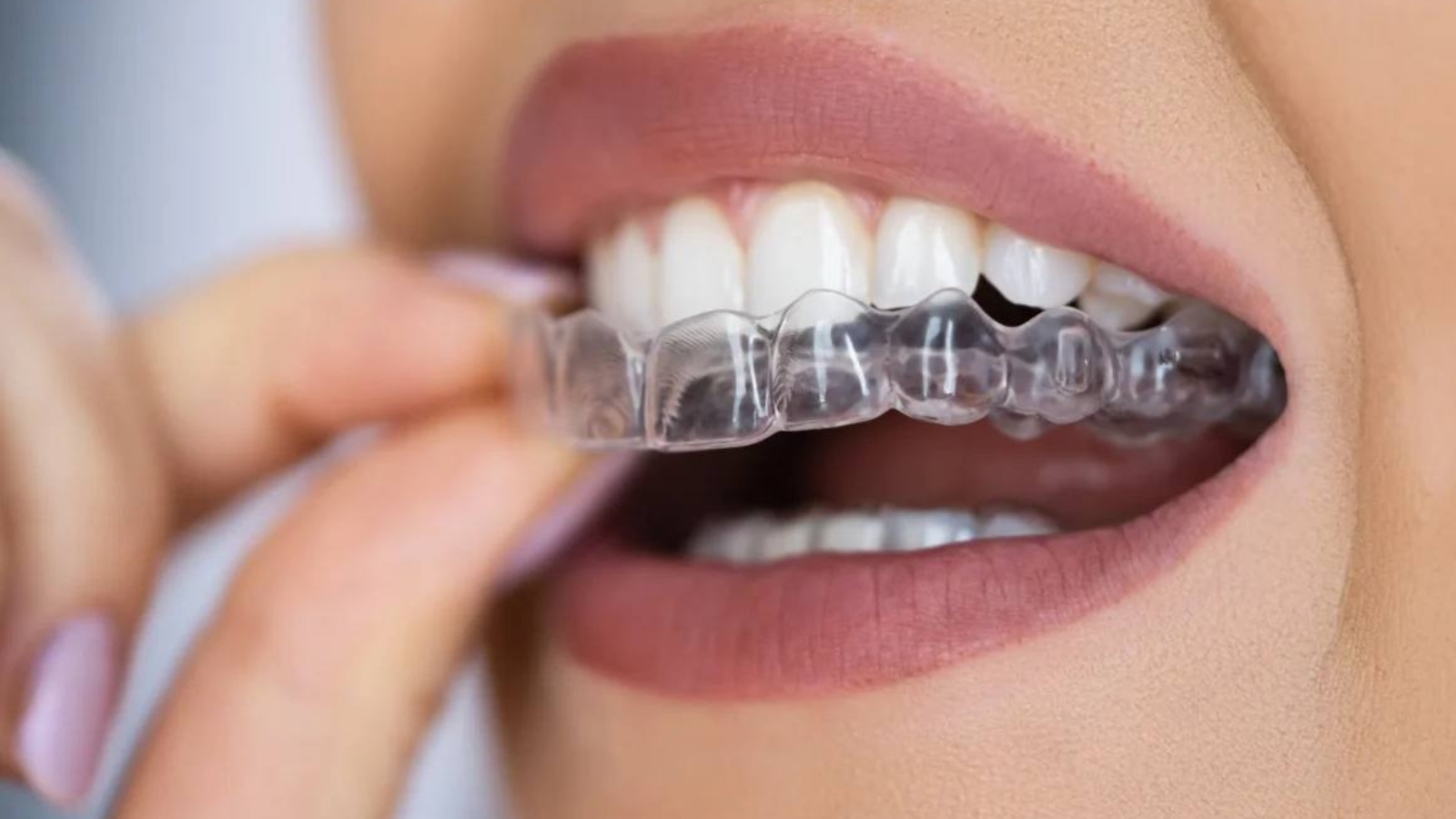
Modern orthodontics offers patients several pathways for bite correction, and the choice of method depends not only on aesthetic preferences but also on the biomechanical capabilities of the system. Professor Alexander von Breuer says that clear orthodontic aligners are an effective tool only when their use is based on a precise understanding of force vectors and tissue response. At DentalClinic24, treatment planning with aligners is regarded as a comprehensive clinical process rather than a simplified alternative to traditional bracket systems.
Clear aligners function through the principle of sequential tooth movement using controlled micro-adjustments. Each aligner applies calculated pressure to specific areas, gradually repositioning the tooth within physiologically acceptable limits. At DentalClinic24, these movements are planned using digital analysis of tooth alignment, occlusion, and the patient’s individual bone characteristics.
The biomechanics of aligners differ from those of conventional braces. While bracket systems transmit force through an archwire and bracket slots, aligners act through a precisely engineered polymer surface designed with programmed geometry. At DentalClinic24, it is recognised that movement efficiency depends on the accuracy of fit, the contact surface area, and the direction of applied pressure.
Special attention is given to rotational control and complex movements. Not all types of orthodontic corrections are equally predictable with clear aligner systems. At DentalClinic24, the anticipated scope of changes is carefully evaluated – in certain cases, aligners are combined with auxiliary attachments to enhance movement precision.
The aesthetic advantage of clear aligners is significant, but it does not outweigh clinical criteria. The removable nature of the system facilitates oral hygiene and reduces the risk of gingival inflammation and enamel demineralisation. At DentalClinic24, this benefit is considered an additional advantage, provided the patient adheres strictly to the prescribed wearing schedule.
Treatment predictability depends directly on patient compliance. Aligners are effective only when worn consistently for the recommended duration each day. At DentalClinic24, patients receive detailed guidance regarding the importance of adherence, as deviations from the protocol can alter biomechanics and prolong treatment.
Equally important is the retention phase following active correction. Regardless of the orthodontic system used, tissues require time to stabilise in their new position. At DentalClinic24, an individualised retention plan is developed to secure the achieved outcome and minimise the risk of relapse.
Clear aligners are not a universal solution for all clinical scenarios. They are effective within specific indications and require thorough planning. At DentalClinic24, the decision between aligners and bracket systems is based on case complexity, anatomical characteristics, and long-term prognosis.
Thus, clear orthodontic aligners represent a technologically advanced instrument for bite correction, the effectiveness of which depends on a well-grounded clinical approach. At Dental Clinic24, their application is integrated into a comprehensive orthodontic strategy where both aesthetic harmony and functional stability of the dentofacial system remain the primary priorities.
Previously, we wrote about Comprehensive Oral Care in the DentalClinic24 Concept – How Individual Recommendations Support Long-Term Treatment Outcomes.