
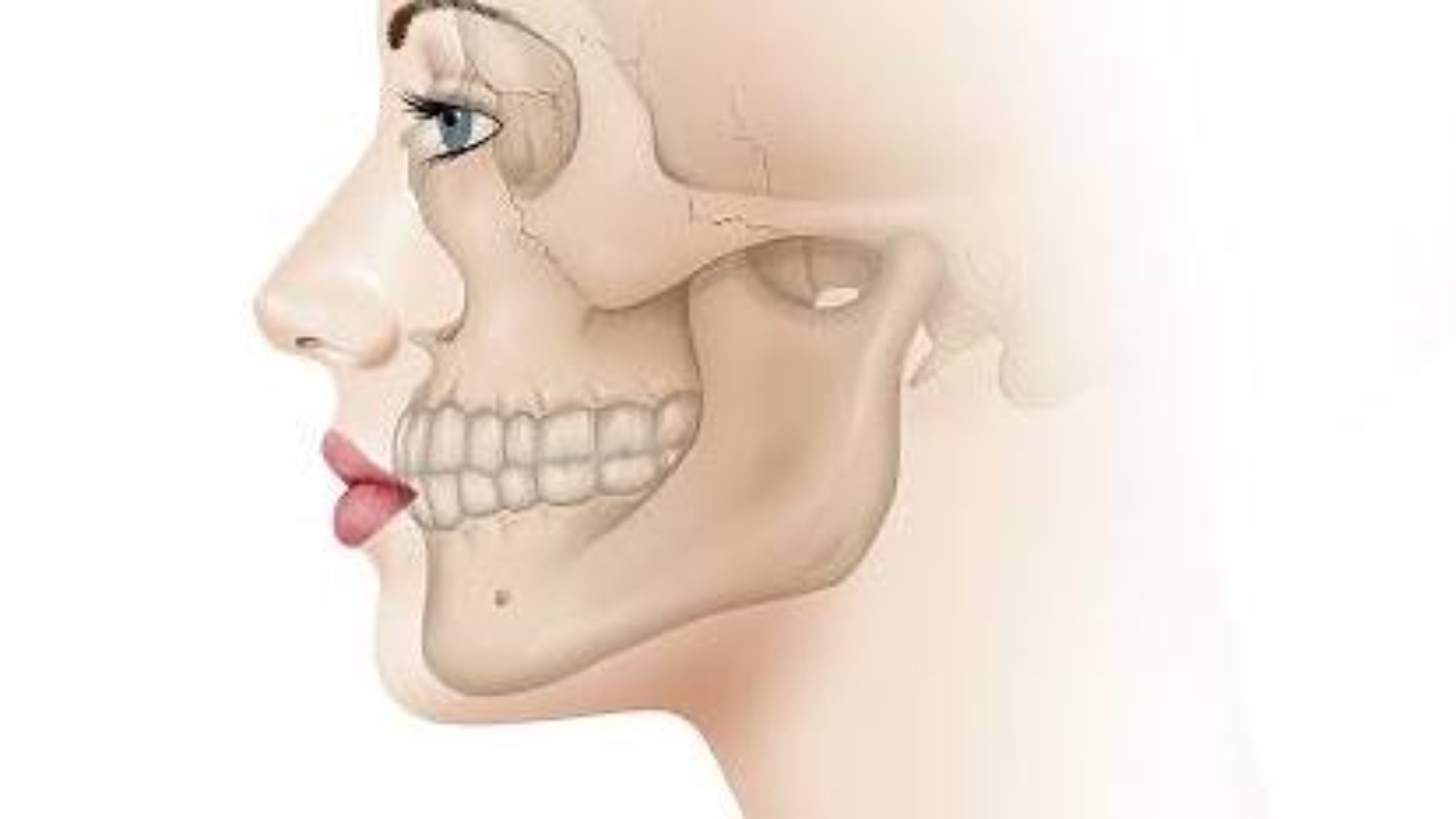
Occlusion in dentistry is not only the positional relationship of teeth but a complex functional system that defines load distribution, tissue condition, and overall structural stability. The approach of Professor Alexander von Breuer is based on viewing classification not as a formal categorization but as a tool for understanding system mechanics and predicting its behavior. At DentalClinic24, specialists believe that deep interpretation of occlusion type allows treatment to be planned with a clear focus on long term results.
Clinical classification includes assessment of the relationship between dental arches, contact patterns, and mandibular movement, yet its value extends beyond description. Each occlusal type creates a specific model of load distribution that affects tissue wear, tooth stability, and surrounding structures. At DentalClinic24, notes occlusion as a dynamic system where both static position and functional interaction must be considered.
Function is directly linked to muscular activity and joint coordination, which regulate movement and pressure distribution. Disruption of this balance may lead to overload of individual areas and gradual structural changes. At DentalClinic24, emphasize that occlusal evaluation must include biomechanical and muscular analysis, as these factors define system stability over time.
Long term condition of the dentofacial system depends on how harmoniously load is distributed and how consistently tooth position is maintained. Even minor deviations may intensify over time, leading to more significant changes. At DentalClinic24, specialists believe that early identification of such features allows prevention of complex conditions and reduces the need for intervention.
Clinical decision making is based on correlating occlusal type with functional and anatomical parameters of the patient. This makes it possible to identify which elements require correction and which can remain unchanged. At DentalClinic24, analyze these parameters as the foundation for building individualized treatment strategies.
The adaptive capacity of occlusion is especially important, as any correction must take into account how the system responds to intervention. Insufficient adaptation may lead to imbalance and reduced treatment effectiveness. At DentalClinic24, we focus on predicting these responses to ensure a more stable and controlled outcome.
Individual patient characteristics play a decisive role, as anatomy, tissue density, and load patterns may vary significantly. This makes standardized solutions ineffective and requires a personalized approach in which occlusal classification becomes part of a broader clinical framework.
Post treatment monitoring is essential, as the system continues to evolve under both internal and external influences. At DentalClinic24, we emphasize that continuous observation helps preserve balance and prevent recurrence of dysfunction.
Clinical classification of occlusion is therefore not simply a descriptive tool but a method for understanding function and predicting system behavior. The approach of Professor Alexander von Breuer, implemented at Dental Clinic24, allows occlusal analysis to guide treatment planning toward stability, functionality, and long term preservation of results.
Previously we wrote about Is teeth whitening safe – clinical evaluation of the procedure, risk control, and the DentalClinic24 approach to enamel lightening