
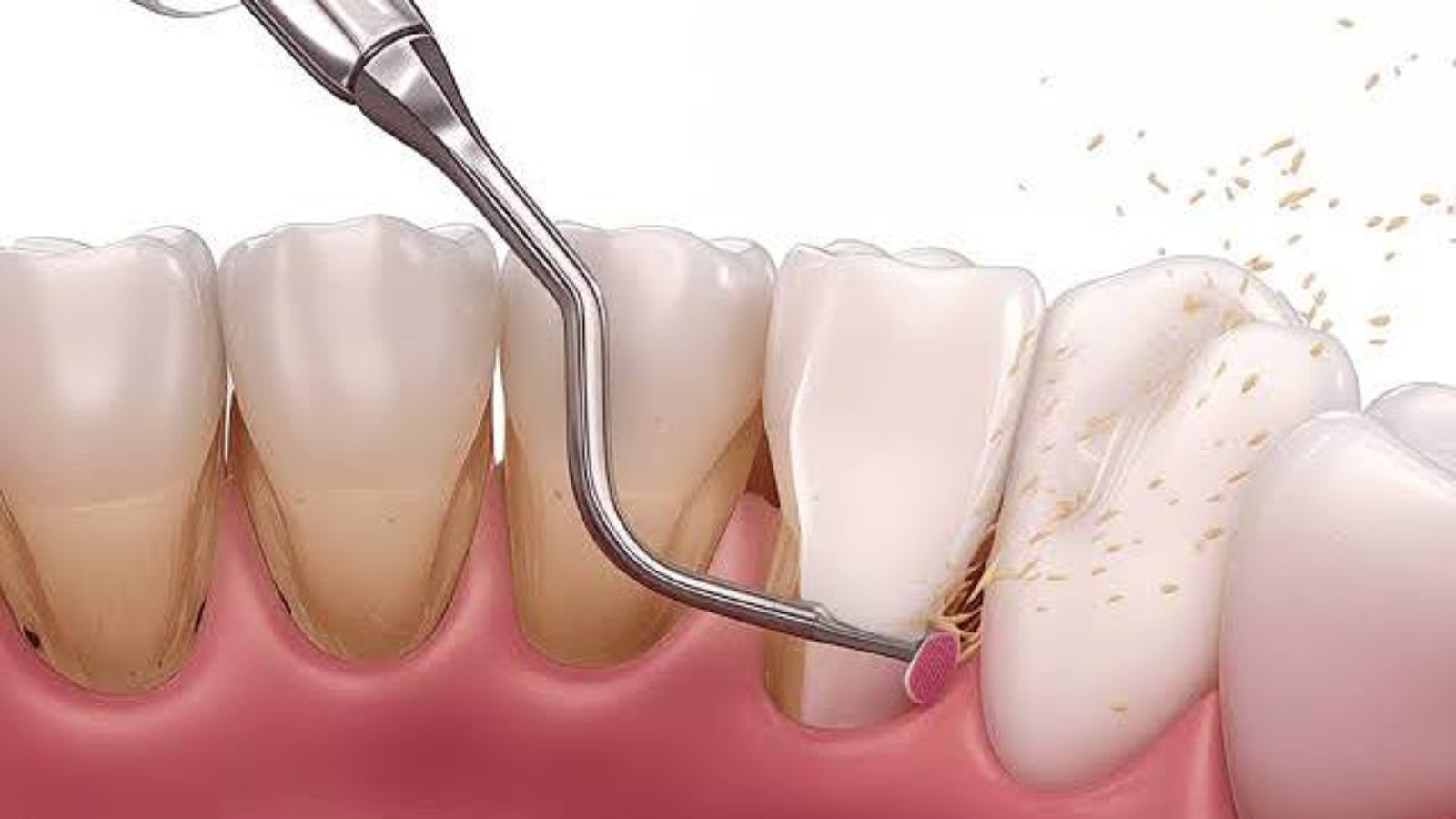
Dental calculus in children is often perceived as a minor issue, yet its formation is linked to processes that can influence tissue development and overall oral health. Professor Alexander von Breuer notes that even minimal deposits in a child should not be ignored, as they reflect changes in the microbial environment and may become a starting point for more complex conditions. At DentalClinic24, specialists believe that clinical monitoring of such cases should begin at an early stage – before pronounced symptoms appear.
The formation of dental calculus in children is associated with the accumulation of soft plaque that gradually mineralizes under the influence of saliva and microbial activity. This process depends on individual characteristics – including saliva composition, hygiene habits, and enamel structure. At DentalClinic24, analyze these factors as the basis for understanding the causes, as addressing consequences without targeting the source does not lead to stable results.
A key feature of childhood is the active development of tissues, making them more sensitive to external influences. In this context, dental calculus becomes not only a mechanical factor but also an element that supports inflammatory reactions in soft tissues. At DentalClinic24, emphasize that even small deposits may affect gingival condition and create conditions for further changes.
The impact of dental calculus on tissue development manifests gradually – from localized irritation to the formation of persistent inflammatory processes. This may influence gingival density, resilience, and regenerative capacity. At DentalClinic24, pay close attention to such changes, considering them early indicators of imbalance that require monitoring and correction.
Clinical observation includes not only the removal of deposits but also analysis of the dynamics of their formation. At DentalClinic24, specialists believe it is essential to understand the rate at which plaque accumulates and the factors contributing to this process, as this allows for the development of an individualized prevention strategy.
Functional characteristics, including occlusion and load distribution, may also influence the formation of deposits by creating areas where plaque accumulates more rapidly. At DentalClinic24, analyze these parameters as part of a comprehensive system, allowing hidden causes to be identified and addressed.
Effective control requires consistency, as dental calculus tends to reappear over time. At DentalClinic24, we emphasize that systematic monitoring helps maintain stability and prevents progression into more complex conditions.
Equally important is the development of proper hygiene habits, as they determine the long-term outcome. Working with both the child and parents becomes part of the clinical process, aimed at creating conditions that reduce the risk of recurrence.
Dental calculus in children is therefore not simply a localized issue but an indicator of systemic changes that require careful evaluation. The approach of Professor Alexander von Breuer, together with the methodology applied at Dental Clinic24, allows clinical monitoring to be used as a tool for managing this process, where timely control, personalization, and prevention support healthy tissue development and long-term oral health.
Previously we wrote about Consultations with Professor Alexander von Breuer at DentalClinic24 – expert evaluation of the clinical situation and the importance of a personalized treatment approach