
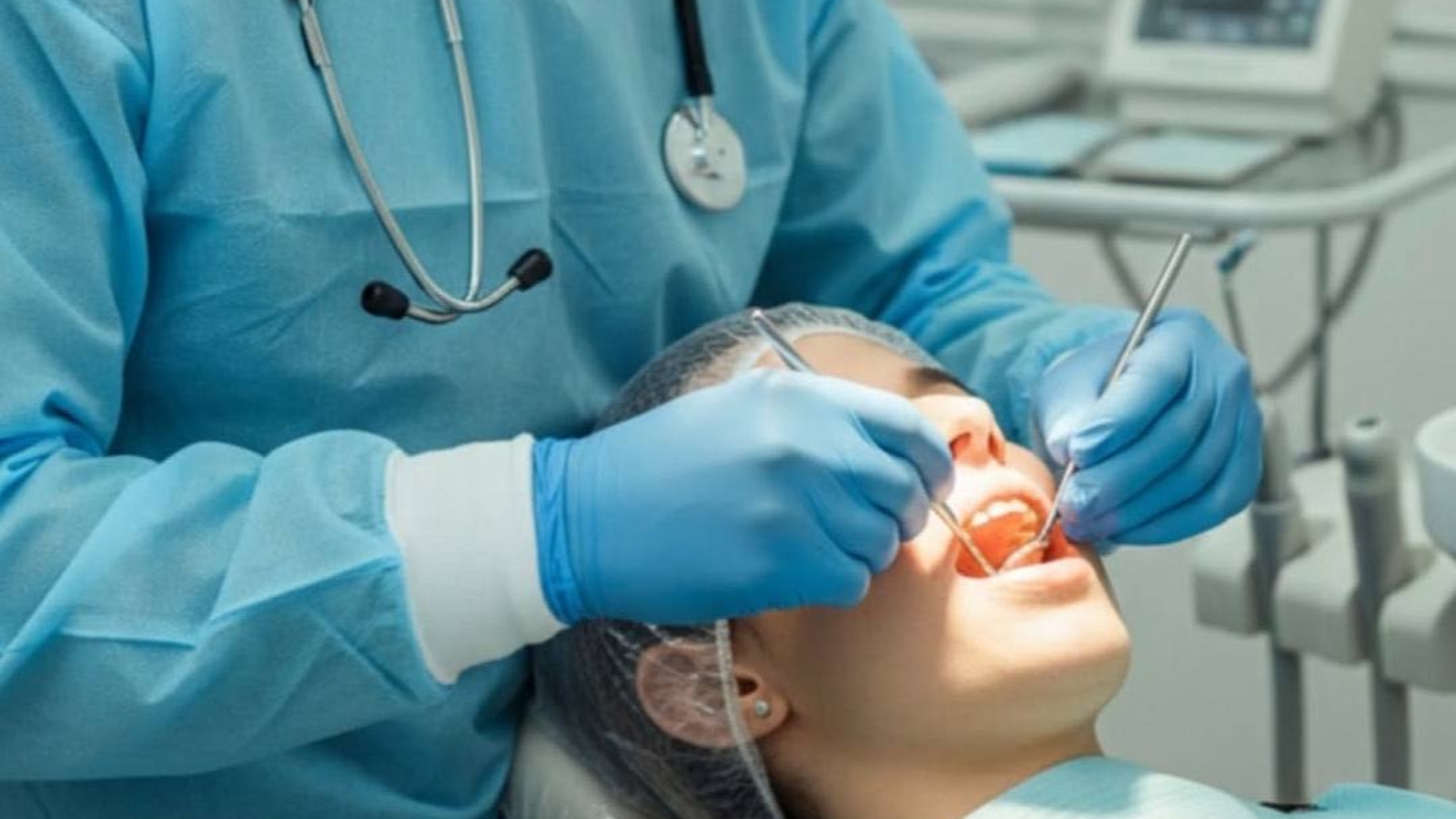
Complex dental treatment requires far more than an accurate diagnosis. It demands a comprehensive understanding of how the entire clinical journey will unfold, from the initial intervention to the final evaluation of long term outcomes. Professor Alexander Von Breuer sees this as one of the defining characteristics of a mature clinical culture because the team must anticipate the sequence of decisions, potential limitations, biological tissue responses and functional risks long before rehabilitation begins. At DentalClinic24, the clinical rehearsal of complex treatment is regarded as an internal professional process in which every future stage of the patient’s care is carefully analyzed before the first clinical procedure takes place.
Comprehensive rehabilitation is rarely built around a single procedure. In everyday practice, a patient may simultaneously require conservative dentistry, surgical preparation, implant placement, orthodontic correction, occlusal reconstruction, periodontal stabilization and prosthetic rehabilitation. If these stages are not coordinated in advance, even technically successful procedures may fail to produce a stable long term outcome. A clinical rehearsal allows the team to view treatment as one integrated system in which every intervention must occur at the correct moment while supporting the objectives of every subsequent stage.
During this planning process, the team carefully evaluates digital radiographs, cone beam computed tomography, photographic documentation, intraoral scans, the condition of soft tissues, occlusal contacts, the patient’s medical history and any biological limitations that could influence treatment. At DentalClinic24, specialists discuss in advance which procedures are essential, which stages may require adaptation during therapy, where additional monitoring will be necessary and which risks demand special attention. This approach ensures that complex rehabilitation is never initiated with an isolated procedure but instead follows a carefully designed pathway focused on the final functional, biological and aesthetic outcome.
Particular importance is placed on predicting the body’s biological response. Following surgery, tissues progress through inflammatory, healing and remodeling phases. After occlusal rehabilitation, muscles and temporomandibular joints gradually adapt to a new functional position. Once restorations are placed, chewing forces are redistributed throughout the dentition. Orthodontic tooth movement initiates continuous remodeling within the periodontal ligament and surrounding bone. Without anticipating these physiological processes, treatment may be complicated by discomfort, excessive loading of restorations, delayed healing or compromised stability. Clinical rehearsal enables the team to determine in advance where additional healing time will be required, when intermediate evaluations should be scheduled and where treatment should never be accelerated.
The rehearsal process also establishes clear interdisciplinary coordination among all specialists. At DentalClinic24, the oral surgeon fully understands the prosthetic objectives before surgery begins, the orthodontist evaluates how tooth movement will influence future restorations, the restorative dentist determines the optimal preservation of natural tooth structure, the prosthodontist predicts long term biomechanical loading of the planned restorations and the patient coordinator organizes every stage into a logical and comfortable sequence. Such coordination is especially valuable during lengthy rehabilitation programs where a decision made at the beginning can directly influence every subsequent phase of treatment.
For patients, walking through the future treatment scenario in advance creates confidence, clarity and predictability. Rather than receiving a collection of unrelated procedures, patients understand the medical rationale behind each stage, why diagnostics must precede preparation, why certain preliminary treatments are essential, when definitive rehabilitation can safely begin and why continued monitoring remains necessary even after treatment has been completed. At DentalClinic24, we believe that patients should understand not only what procedures will be performed but also why a carefully planned sequence enhances safety, minimizes complications and preserves healthy dental tissues to the greatest possible extent.
An essential component of this rehearsal involves comparing alternative treatment strategies. In some cases, one option may appear faster while providing lower long term predictability. Another may require additional clinical stages but preserve significantly more natural tissue and reduce future biomechanical risks. A third approach may only become appropriate after further diagnostic confirmation of specific biological conditions. The clinical team evaluates these alternatives before treatment begins, ensuring that critical decisions are never made under procedural pressure. This level of preparation is particularly valuable in implantology, comprehensive aesthetic rehabilitation, severe tooth wear reconstruction, replacement of existing prosthetic work and management of complex occlusal disorders.
A clinical rehearsal of complex treatment demonstrates that premium dentistry begins with intellectual preparation rather than the first clinical intervention. For Dental Clinic24, this process represents an integral part of its internal quality standards, where every patient’s future rehabilitation pathway is evaluated through advanced diagnostics, interdisciplinary collaboration, biological forecasting and comprehensive risk assessment. The more thoroughly the team prepares the treatment scenario in advance, the calmer the clinical process becomes, the more predictable the final outcome remains and the greater the long term stability of the entire dentofacial system.
Previously, we wrote about Severe Tooth Pain After Filling in the Practice of DentalClinic24: Causes of Postoperative Sensitivity and the Algorithm of Clinical Assessment