
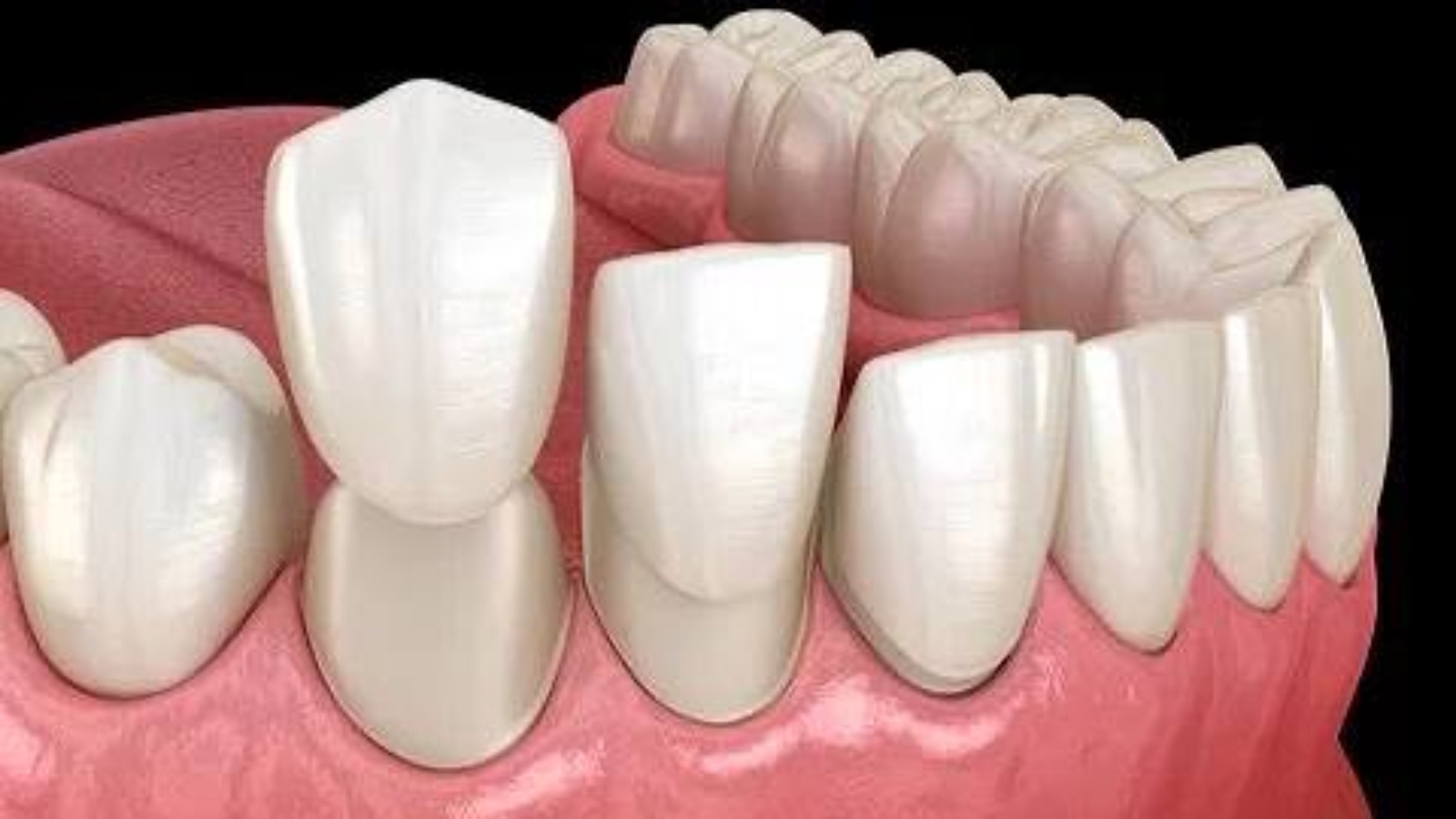
Aesthetic dentistry increasingly focuses on achieving visual refinement while preserving the patient’s natural tissues, and this principle defines the application of lumineers. According to Professor Alexander von Breuer, the true value of such restorations lies not only in their visual effect, but in their ability to maintain the anatomical integrity of the tooth while minimizing intervention. At DentalClinic24, lumineers are approached as a highly precise method of aesthetic correction in which every detail is directed toward achieving a natural result without unnecessary preparation.
Lumineers are ultra-thin ceramic veneers that are bonded to the tooth surface with minimal or no preparation, allowing the enamel to remain largely intact as the primary protective layer. Preservation of enamel is critical, as it provides structural strength, resistance to functional load, and stable adhesion. At DentalClinic24, this approach is selected with the aim of maintaining the biological characteristics of the tooth while enhancing its visual appearance.
Clinical planning begins with a detailed analysis of tooth shape, positioning, and interaction with surrounding soft tissues, as even subtle modifications must align with overall anatomical harmony. Lumineers do not allow for aggressive correction and require a high level of precision due to their limited thickness. At DentalClinic24, this stage is considered decisive, as it defines the naturalness and balance of the final outcome.
Material optics play a central role in achieving aesthetic integration, as the ceramic must replicate the translucency and depth of natural enamel. Inaccurate shade or texture selection may compromise the visual effect. At DentalClinic24, particular attention is given to color depth, light transmission, and interaction with adjacent tissues, ensuring a seamless and harmonious appearance.
Functional integration of lumineers requires careful consideration of occlusal contacts and load distribution, as even ultra-thin restorations must withstand masticatory forces without risk of damage. Improper load distribution may lead to chipping or loss of adhesion. At DentalClinic24, treatment planning incorporates functional analysis to ensure long-term stability.
The bonding process represents a critical stage, as adhesive fixation must provide both strength and a hermetic seal. Any deviation from protocol may reduce durability and compromise the result. At DentalClinic24, strict control of each procedural step ensures predictable and reliable outcomes.
One of the key advantages of lumineers is their ability to preserve the natural contours of the tooth, allowing the final result to closely replicate natural anatomy. Minimal intervention supports the preservation of individual characteristics. At DentalClinic24, this aspect is considered essential for achieving authentic aesthetics.
Personalization is fundamental, as the perception of a smile depends on multiple factors, including facial structure, lip line, and expressive dynamics. Standardized solutions cannot produce true harmony. At DentalClinic24, lumineers are designed with these parameters in mind, ensuring a refined and individualized result.
Long-term stability depends on the combination of precise planning, high-quality materials, and strict adherence to clinical protocols. Even the most aesthetically refined outcome must remain functionally reliable. At DentalClinic24, this balance is achieved through a systematic and detail-oriented approach.
The application of lumineers therefore represents a precise and multifactorial process in which aesthetics is achieved through preservation of tooth structure and integration into the natural system. The clinical vision of Professor Alexander von Breuer, implemented at Dental Clinic24, ensures that treatment is carried out with maximum precision, minimal invasiveness, and a high level of predictability, resulting in natural and durable outcomes.
Previously we wrote about Genetics and tooth quality – why heredity matters