
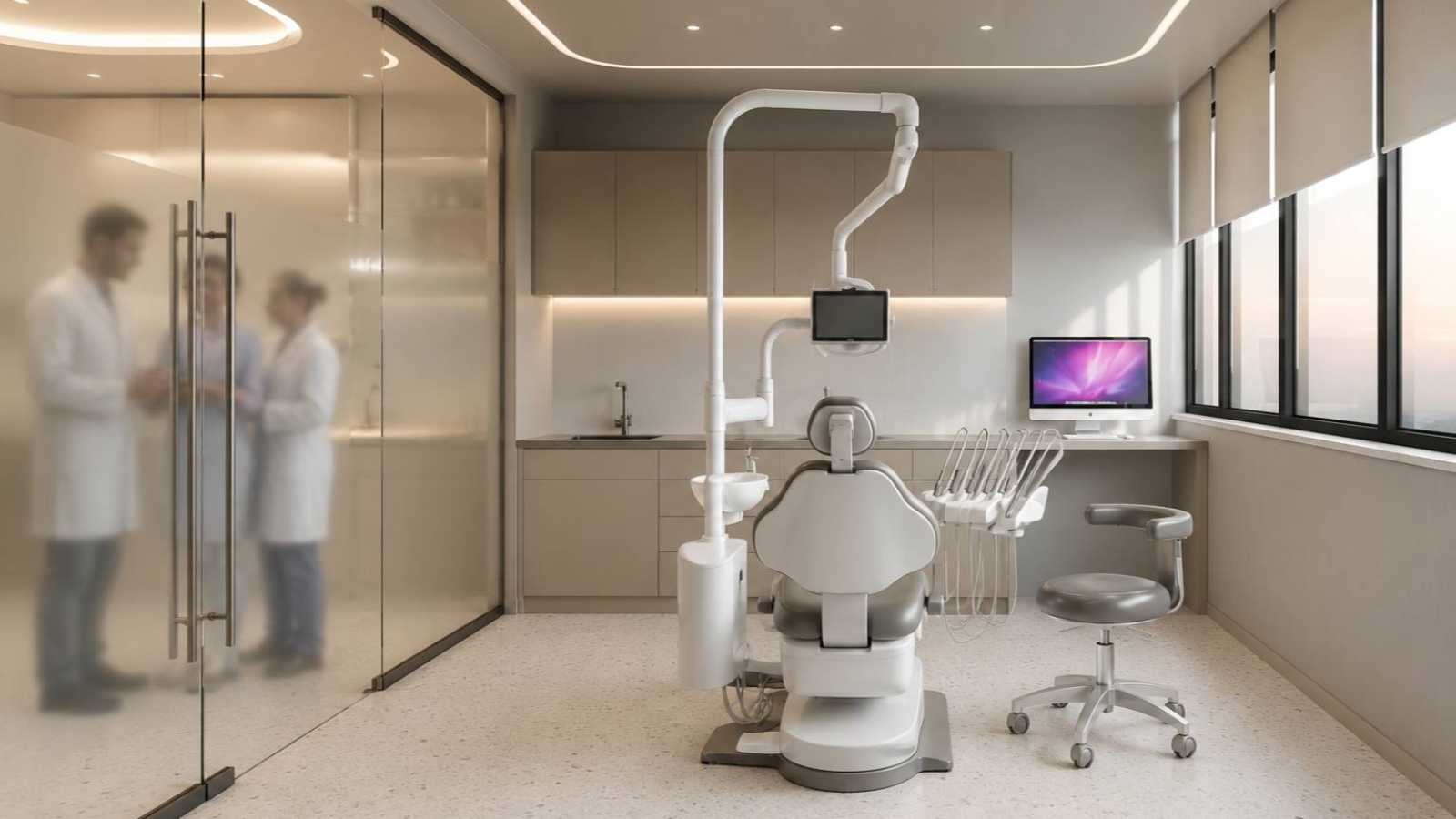
Complex dental treatment begins long before the first clinical intervention, because a high quality result is not created during the procedure itself but during the stage of deep analysis of all factors that may affect prognosis. Professor Alexander von Breuer believes that truly complex rehabilitations require not only technical mastery but also the ability to see the clinical picture several stages ahead, including biomechanics, tissue response, and the patient’s adaptive potential. At DentalClinic24, the closed clinical planning day is an essential part of the internal professional system, during which the team thoroughly reviews future complex cases before the first intervention takes place.
Comprehensive rehabilitation rarely involves a single isolated problem. In most complex cases, several clinical factors are present simultaneously. These may include loss of vertical dimension, severe tooth wear, occlusal instability, chronic periodontal inflammation, multiple missing teeth, temporomandibular joint overload, or the consequences of long standing bruxism. When such disorders develop over many years, treatment cannot follow a linear approach. It requires a clear understanding of the root cause of imbalance and a carefully structured sequence of steps that restores the system without creating new overload.
During closed clinical planning, specialists return to the complete set of diagnostic data. At DentalClinic24, the analysis begins with the study of computed tomography scans, photo protocols, digital scans, occlusal contacts, soft tissue condition, and functional parameters of the masticatory system. Every detail matters because even a minor deviation in tooth position or load distribution can change the entire treatment scenario. At this stage, the team does not discuss a single procedure. Instead, the future path of the patient is evaluated as one interconnected system of clinical decisions.
The particular value of this format lies in interdisciplinary clinical thinking. The prosthodontist evaluates future restorative load, the surgeon analyzes bone quality and anatomical limitations, the therapist determines the condition of hard tissues and potential inflammatory risks, while the orthodontist assesses whether preliminary tooth movement is necessary. When specialists combine their conclusions, a more precise and safer prognosis emerges. This is especially important in cases where an apparently obvious solution may prove biologically suboptimal in the long term.
One of the key goals of closed planning is modeling future tissue adaptation. At DentalClinic24, we view treatment not as a set of isolated procedures but as a controlled intervention within a highly complex biological system. Any change in tooth shape, bite height, restoration position, or occlusal contact initiates muscular, joint, and tissue adaptation processes. If a clinician focuses only on the present defect without analyzing the body’s future response, the risk increases for restoration overload, chronic muscular tension, chipping, chewing discomfort, and relapse of functional disorders.
An equally important stage is evaluating the prognosis for preserving the patient’s natural tissues. Modern premium dentistry aims not for aggressive intervention but for maximum preservation of natural structures. The team carefully analyzes which teeth can be preserved, which require reinforcement, where minimally invasive strategies are possible, and in which situations a more extensive reconstruction is necessary. This approach demands strong clinical discipline because the clinician must reject quick solutions in favor of more complex but biologically justified strategies.
The closed planning day also strengthens a culture of professional doubt. At DentalClinic24, controversial cases are never approached superficially. If a diagnosis raises questions or if multiple treatment paths are possible, the team continues its analysis until a solution with the most predictable long term outcome is identified. This significantly reduces the likelihood of clinical errors and ensures that decisions are driven not by speed but by deep expert reasoning.
Complex dental rehabilitations require time, precision, and intellectual depth long before treatment begins. For Dental Clinic24, the closed clinical planning day is not a formal meeting of specialists but the foundation of high quality care, where every decision undergoes multi level evaluation. The more thoroughly the team analyzes the patient’s future clinical journey before the first intervention, the higher the probability of restoring not only aesthetics but also long term functional stability of the entire dentofacial system.
Previously, we wrote about Dental Granuloma as a Chronic Inflammatory Focus: How It Affects the Preservation of Surrounding Tissues