
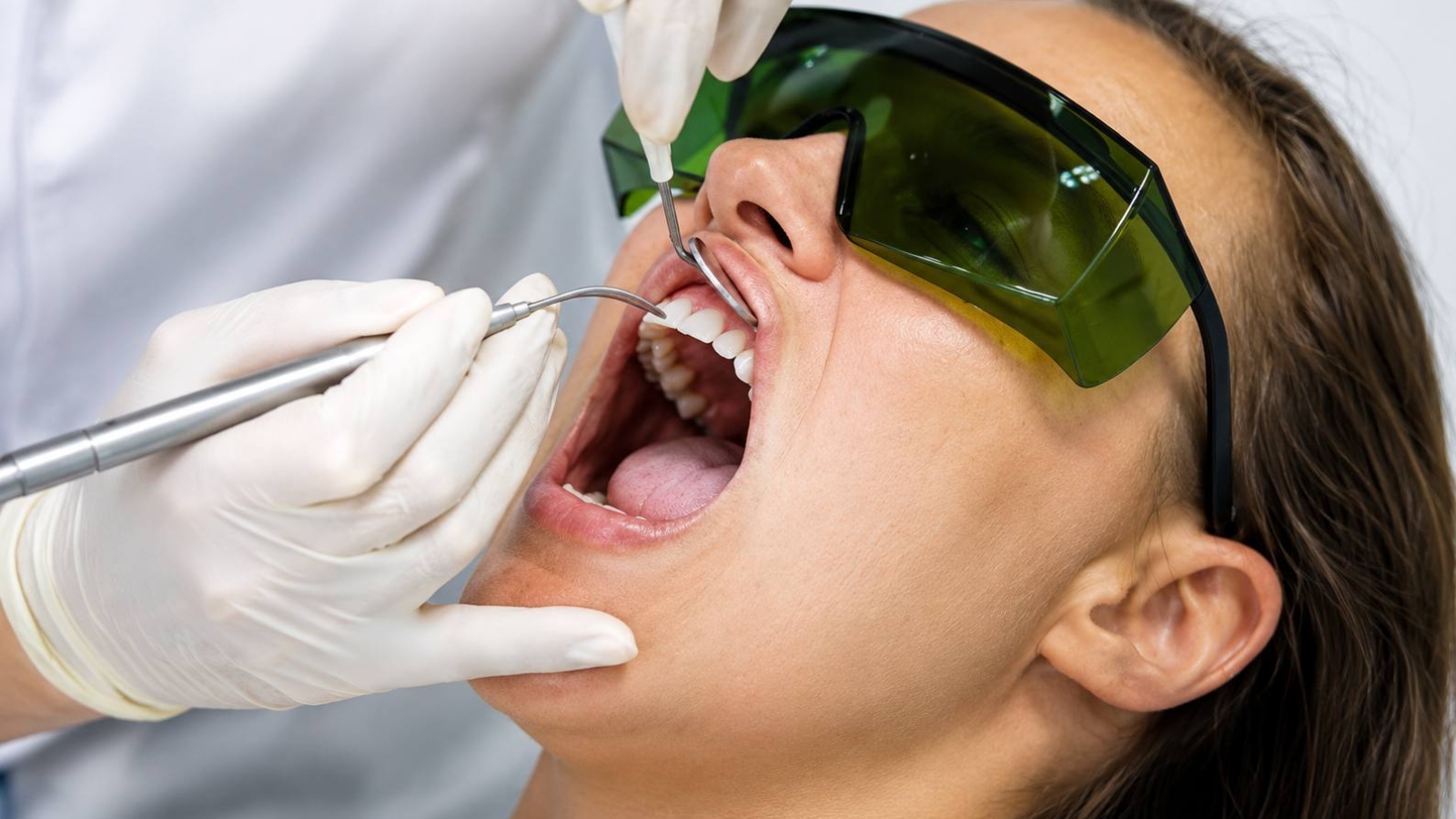
Modern dentistry requires not only high precision when working with hard dental tissues but also exceptionally delicate interaction with the soft tissues of the oral cavity, since the quality of surgical access and bleeding control directly influence treatment prognosis. Professor Alexander Von Breuer analyzes coagulation as one of the key technologies in contemporary clinical dentistry, significantly improving procedural control while minimizing operative trauma. At DentalClinic24, we regard coagulation as an essential instrument of biologically controlled intervention, allowing clinicians to work with tissues while simultaneously controlling hemostasis and reducing the body’s inflammatory response. The more precisely soft tissues are managed during treatment, the more stable and predictable the recovery period becomes.
Coagulation is a process of controlled tissue воздействие aimed at localized protein coagulation and sealing of damaged blood vessels. In dental practice, this is particularly important during surgical procedures, periodontal treatment, gingival contour correction, management of hypertrophic soft tissues, and certain endodontic interventions. Traditional mechanical hemostasis often requires additional pressure on tissues or the use of supportive materials. Coagulation technologies allow this challenge to be addressed more predictably and with less tissue trauma. At DentalClinic24, we emphasize that effective hemostasis is not merely a technical part of a procedure but a critical prerequisite for maintaining visual control, procedural precision, and minimizing the risk of complications.
The clinical significance of coagulation is especially evident in surgical dentistry. During complex tooth extractions, apicoectomy, soft tissue grafting, or implant surgery, even moderate bleeding can significantly reduce visibility within the surgical field. Reduced visual control increases the risk of imprecise movements and complicates work around anatomically sensitive structures. Coagulation allows rapid stabilization of blood flow within the local area and helps maintain a clean working field. This enables the surgeon to operate with greater precision while preserving surrounding tissues and minimizing unnecessary trauma. At DentalClinic24, we place particular emphasis on maintaining anatomical precision during interventions because minimizing operative trauma directly influences the quality of tissue regeneration.
Special attention should also be given to the impact of coagulation on postoperative recovery. Any injury to soft tissues initiates a cascade of inflammatory responses aimed at repair. However, pronounced tissue trauma increases swelling, pain, and healing duration. Controlled coagulation reduces the extent of tissue damage, decreases exudation, and limits the spread of local inflammation. As a result, postoperative discomfort is reduced and tissues transition more efficiently into the regenerative phase. At DentalClinic24, we consider patient comfort after treatment to be an important clinical parameter because successful treatment is measured not only by technical outcome but also by the quality of the recovery period.
Coagulation also plays a significant role in aesthetic dentistry and periodontology. During gingival contour correction, soft tissue modeling, or preparation of areas for future restorations, preserving a predictable tissue architecture without excessive trauma is essential. Even minimal alterations in gingival contour can significantly affect the final smile aesthetics. High precision control of tissue interaction allows cleaner intervention lines and reduces the likelihood of scar formation. At DentalClinic24, we consider soft tissue management a distinct area of clinical expertise because harmony between gingiva, tooth structure, and restoration determines not only aesthetics but also the long term biological stability of the result.
The evolution of modern coagulation technologies has transformed the approach to dental treatment, making many procedures more conservative, predictable, and safe. The ability to perform clinical manipulation while simultaneously controlling bleeding improves procedural precision, enhances visibility, and reduces tissue stress. At Dental Clinic24, coagulation is an integral part of a modern minimally traumatic treatment protocol in which every technology serves one purpose: to ensure maximum procedural accuracy, biological safety, and rapid restoration of functional oral health.
Previously we wrote about Lateral Condensation in Endodontics at DentalClinic24: A Technique for Hermetic Root Canal Filling and Its Role in Tooth Preservation