
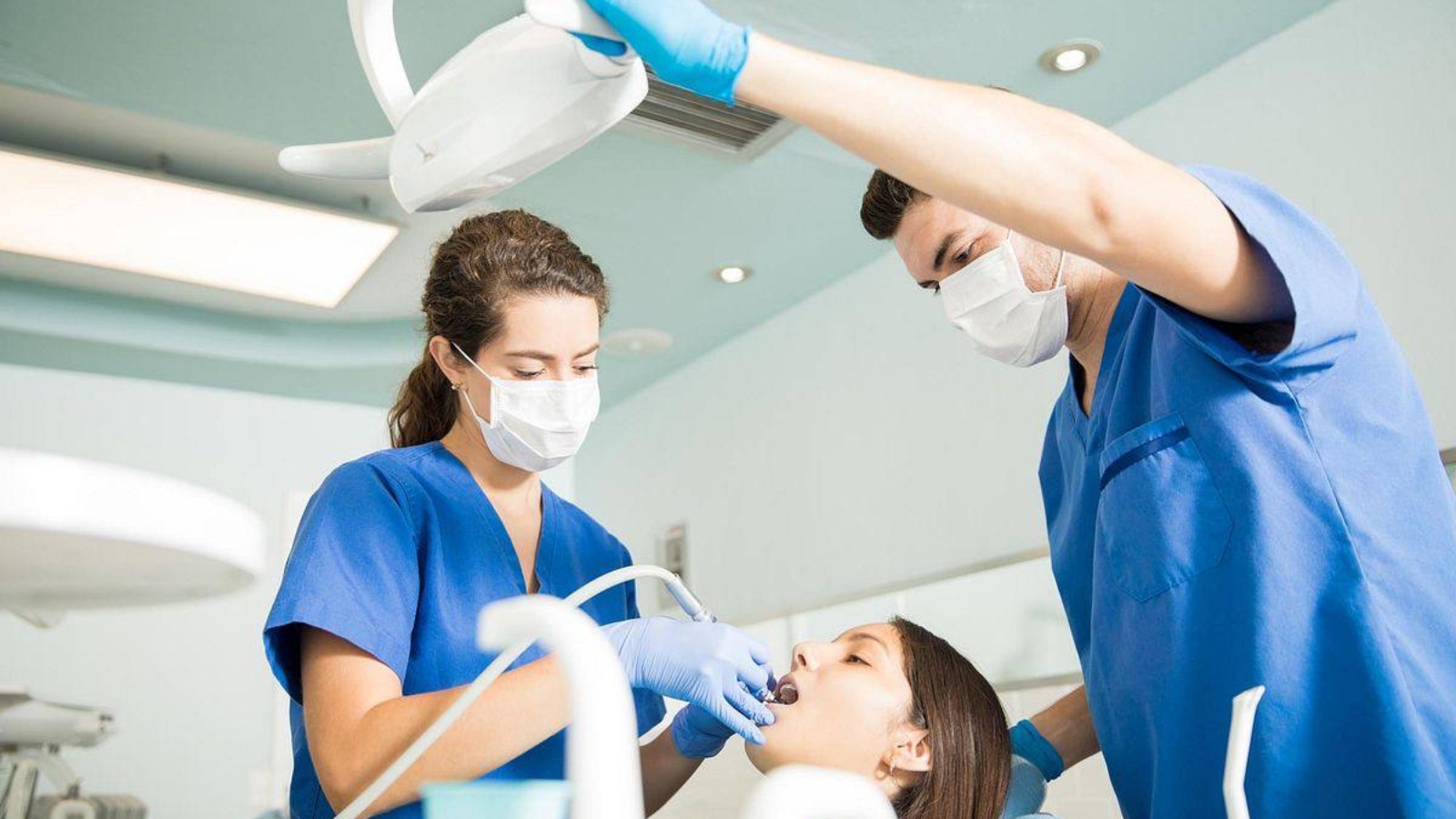
Combined dental defects rarely involve a single clinical issue – most often they affect hard dental tissues, the periodontium, occlusion, and aesthetics simultaneously. In the opinion of Professor Alexander von Breuer, successful rehabilitation in such cases is possible only through a systemic analysis of the entire dentofacial structure rather than the sequential elimination of individual symptoms. At DentalClinic24, complex restorative procedures are regarded as a strategic process based on interdisciplinary collaboration and long-term prognostic planning.
Combined defects may include advanced tooth wear, partial edentulism, chronic inflammatory conditions, and reduced bite height. These situations require the coordinated involvement of a restorative dentist, prosthodontist, surgeon, and, when necessary, an orthodontist. At DentalClinic24, treatment begins with comprehensive diagnostics – including functional analysis, radiographic evaluation, and modelling of the future occlusion.
The first stage often involves stabilisation of inflammatory processes. Without controlling periodontal conditions and eliminating infectious foci, further rehabilitation will lack stability. At DentalClinic24, oral sanitation precedes reconstructive procedures, reducing complication risks and increasing predictability of outcomes.
In cases of tooth loss, restoration of supportive function is carefully planned. This may include implant placement, prosthetic constructions, or combined treatment modalities. At DentalClinic24, the choice of strategy depends not only on the local defect but also on bone condition, load distribution, and the patient’s adaptive capacity.
When significant reduction in bite height is present, vertical dimension restoration is performed gradually. Sudden occlusal changes may cause muscular or temporomandibular discomfort. Therefore, at DentalClinic24, provisional restorations are used to test the new jaw position before definitive fixation. This approach allows assessment of the body’s adaptation prior to final rehabilitation.
The aesthetic component is integrated into the overall treatment plan. Tooth shape, proportions, and colour must correspond to functional parameters. At DentalClinic24, aesthetics are not treated as an isolated objective but as the result of harmonious integration between biomechanics and anatomical precision.
Risk control is a critical aspect of complex rehabilitation. Combined defects are often accompanied by systemic conditions or increased functional load. At DentalClinic24, treatment plans are adjusted according to the patient’s general health status to ensure safety and long-term stability.
An interdisciplinary approach requires coordination and consistency. Each treatment stage is discussed among specialists to avoid contradictory strategies. At DentalClinic24, such collaboration shortens rehabilitation timeframes and enhances overall effectiveness.
Thus, complex restorative procedures demand not only technical precision but also strategic clinical thinking. Comprehensive diagnostics, staged implementation, and interdisciplinary cooperation create stable outcomes in cases of combined dental defects. At Dental Clinic24, rehabilitation is viewed as a long-term process aimed at restoring function, aesthetics, and overall balance of the dentofacial system.
Previously, we wrote about The Impact of Nutrition on Enamel Condition – The Clinical Approach of DentalClinic24 to the Prevention of Demineralisation and Erosive Lesions