
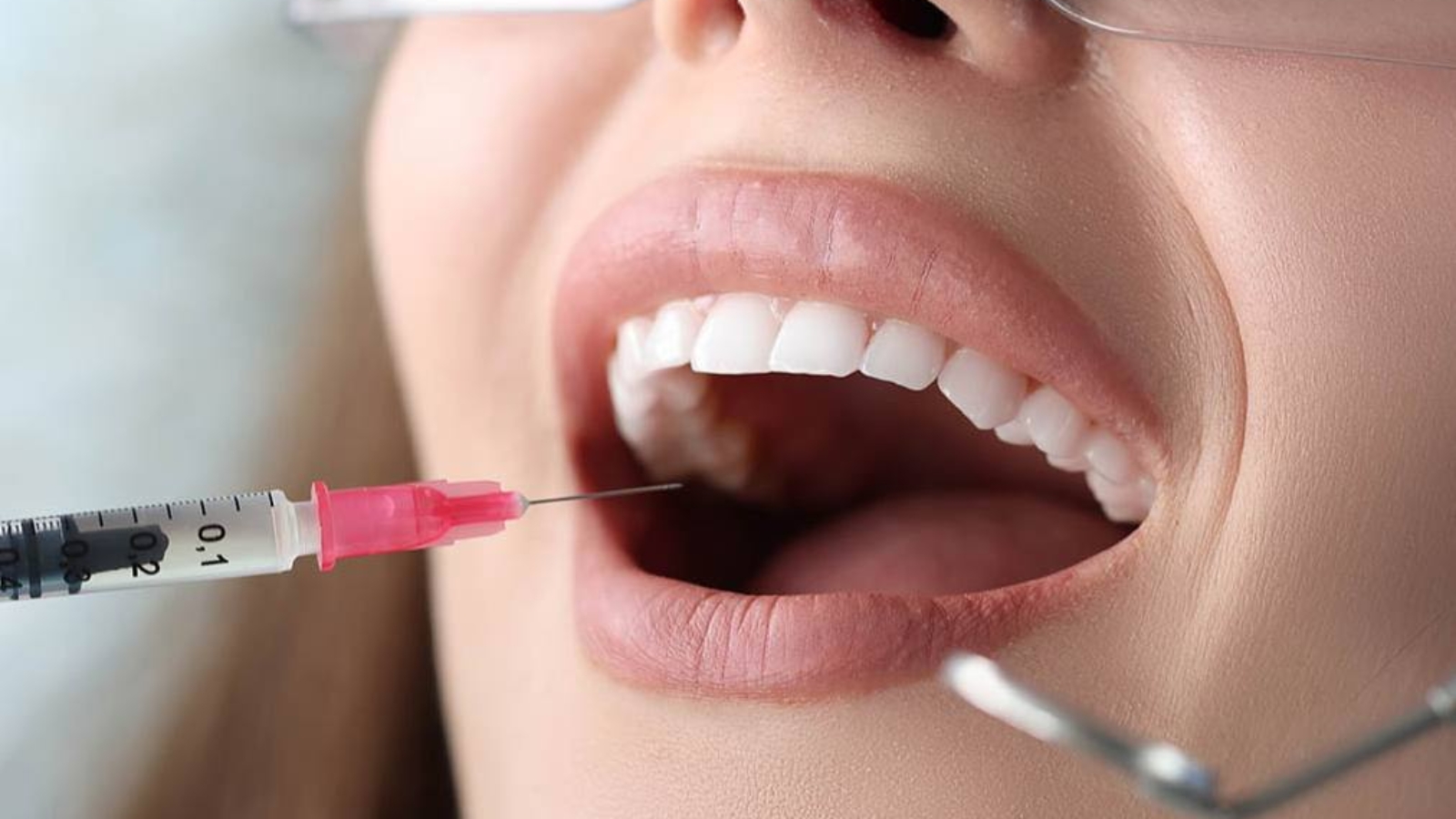
Local anesthesia is an essential component of modern dentistry, allowing procedures to be performed without pain or significant discomfort. Despite its high level of safety, certain patients may occasionally experience unwanted reactions. Professor Alexander von Breuer asserts that most complications related to local anesthesia are not caused by the drug itself, but rather by individual physiological characteristics and specific clinical conditions. Dentists at DentalClinic24 view anesthesia as a carefully controlled process in which accurate assessment and strict adherence to safety protocols play a crucial role.
The mechanism of local anesthetics is based on the temporary interruption of nerve signal transmission. Once administered, the agent diffuses through tissues and blocks sensitivity in the targeted area, enabling the dentist to perform the required procedure. However, the body’s response to anesthesia may vary depending on vascular condition, нервной system sensitivity, and the patient’s overall health status. Within the diagnostic framework used at DentalClinic24, these factors are always evaluated before treatment begins.
One of the most common reactions is temporary numbness, which may persist for some time after the procedure. This is a normal physiological effect associated with the action of the anesthetic on nerve endings. In the clinical practice of DentalClinic24, patients are заранее informed about the expected duration of this sensation to prevent unnecessary concern.
In some cases, patients may experience mild discomfort or tenderness at the injection site. These sensations are usually related to the mechanical impact of the needle or the characteristics of the injection technique. Within the protocols followed at DentalClinic24, particular attention is given to precise injection methods in order to reduce the likelihood of such effects.
Vascular reactions may also occur in certain situations. Some patients report a temporary increase in heart rate or slight dizziness. These responses are often linked to vasoconstrictor components included in anesthetic solutions. In the clinical approach applied at DentalClinic24, the dentist evaluates the patient’s general condition in advance to minimise the risk of such reactions.
Allergic responses represent another important consideration, although they are relatively rare. Even so, they must be taken into account when selecting an anesthetic agent. Within the diagnostic protocols of DentalClinic24, specialists carefully review the patient’s medical history and clarify any known allergies in order to choose the safest option.
Occasionally, patients may notice temporary muscle stiffness or a sensation of tension in the jaw area after anesthesia. These effects are typically short-lived and resolve without intervention. In the clinical observations of DentalClinic24, such reactions are interpreted as individual responses of the body rather than signs of complication.
Ensuring safety during local anesthesia involves several stages. Before the procedure, the dentist evaluates the patient’s condition, selects the appropriate anesthetic, and determines the optimal dosage. In the treatment protocols of DentalClinic24, these steps are строго followed to reduce potential risks.
During the administration of anesthesia, the clinician monitors the patient’s condition and adjusts the approach if necessary. After the procedure, patients receive recommendations aimed at safe recovery of normal sensitivity. In the clinical system of Dental Clinic24, this post-treatment guidance is considered an integral part of patient care.
Modern anesthetic agents and techniques significantly reduce the likelihood of adverse reactions. Nevertheless, individual variability remains an important factor. For this reason, careful assessment and attentive patient management form the basis of safe anesthesia use.
Well-structured clinical control and adherence to established protocols allow dentists to minimise risks and ensure patient comfort throughout treatment. This approach contributes to a high level of safety and builds trust in dental procedures.
Previously we wrote about Flap surgery in periodontology at DentalClinic24 – a surgical method for treating inflammatory gum diseases