
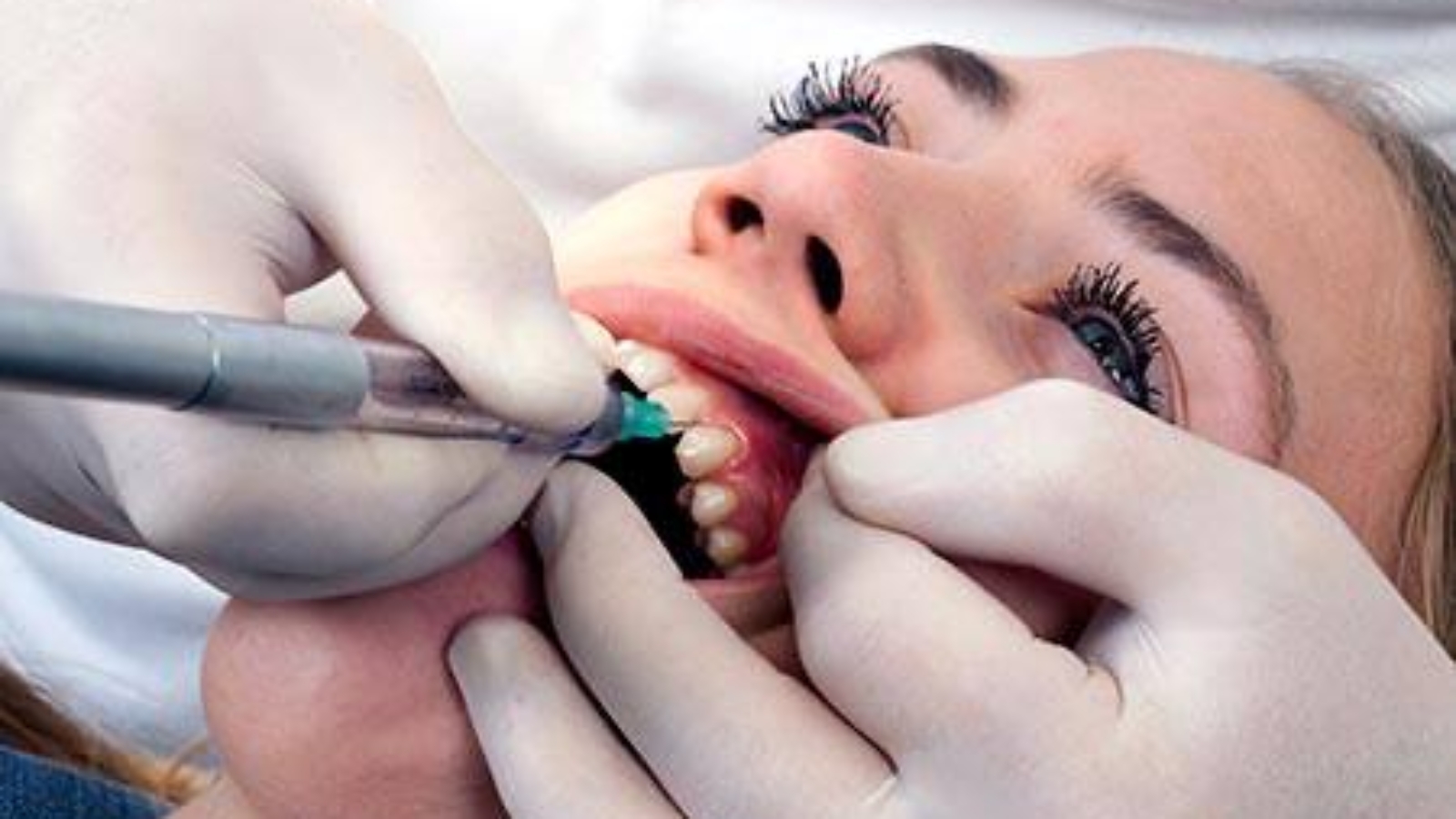
Pain control in dentistry has long ceased to be a purely technical task. Professor Alexander von Breuer notes that the quality of anaesthesia directly affects not only patient comfort, but also the precision of clinical procedures. At DentalClinic24, the choice of pain control method is considered an integral part of the overall treatment strategy, taking into account physiological, psychological, and biomechanical factors.
Conventional anaesthetic techniques are based on manual administration of the drug using a standard syringe. The effectiveness of this approach largely depends on the clinician’s experience, the injection speed, and the individual tissue response. Rapid delivery of the solution may create excessive tissue pressure, which often becomes a source of discomfort even when the anaesthetic agent is correctly selected. In addition, manual techniques inevitably involve a certain variability in dosage control.
Computer-assisted anaesthesia fundamentally changes the logic of pain control. The anaesthetic is delivered automatically, with precisely regulated speed and pressure. This allows the solution to spread evenly through the tissues without trauma or sudden sensations. At DentalClinic24, computer-assisted anaesthesia is applied in situations where predictability of effect and minimisation of stress responses are especially important.
One of the key advantages of computer-controlled technology is accurate dosage management. The system administers exactly the amount of anaesthetic required for a specific intervention area. This reduces the systemic burden and lowers the risk of adverse reactions. With conventional anaesthesia, particularly in anatomically complex zones, the likelihood of excessive administration remains higher.
The psychological component also plays a significant role. Many patients experience anxiety not so much about the treatment itself, but about the injection. Computer-assisted anaesthesia involves gentler delivery and is often perceived as less intimidating. At DentalClinic24, this aspect is regarded as an important element of working with patients who demonstrate heightened sensitivity or fear of dental procedures.
From a clinical perspective, the stability of anaesthesia directly influences the clinician’s accuracy. When the patient does not experience discomfort or reflexive reactions, the dentist can focus on fine details of preparation, isolation of the working field, and control of micro-movements. This is particularly critical in endodontic therapy, micro-prosthetic procedures, and aesthetic restorations.
However, computer-assisted anaesthesia is not a universal replacement for all traditional techniques. There are clinical situations in which conventional methods remain justified – for example, when rapid onset of profound anaesthesia is required over a wide area. At DentalClinic24, the choice of method is always based on the specific clinical task rather than on preference for technology alone.
Professor Alexander von Breuer emphasises that modern pain control must be adaptive. The clinician should understand not only the pharmacology of anaesthetic agents, but also tissue response, vascular supply, and the patient’s individual pain threshold. It is precisely the combination of clinical experience and technological capability that enables optimal outcomes.
For the patient, the difference between methods is most often reflected in sensations before, during, and after the procedure. Gentler administration, absence of pronounced pressure, and predictable recovery of sensitivity shape the overall treatment experience. At Dental Clinic24, these factors are regarded as integral components of medical quality rather than secondary details.
Thus, computer-assisted anaesthesia and conventional pain control methods each have their own clinical indications and limitations. The key factor is not the technology itself, but its competent application within an overall treatment strategy. This approach ensures patient comfort, clinical precision, and long-term stability of treatment results.
Previously, we wrote about the systemic impact of caries and how chronic dental infection affects overall health