
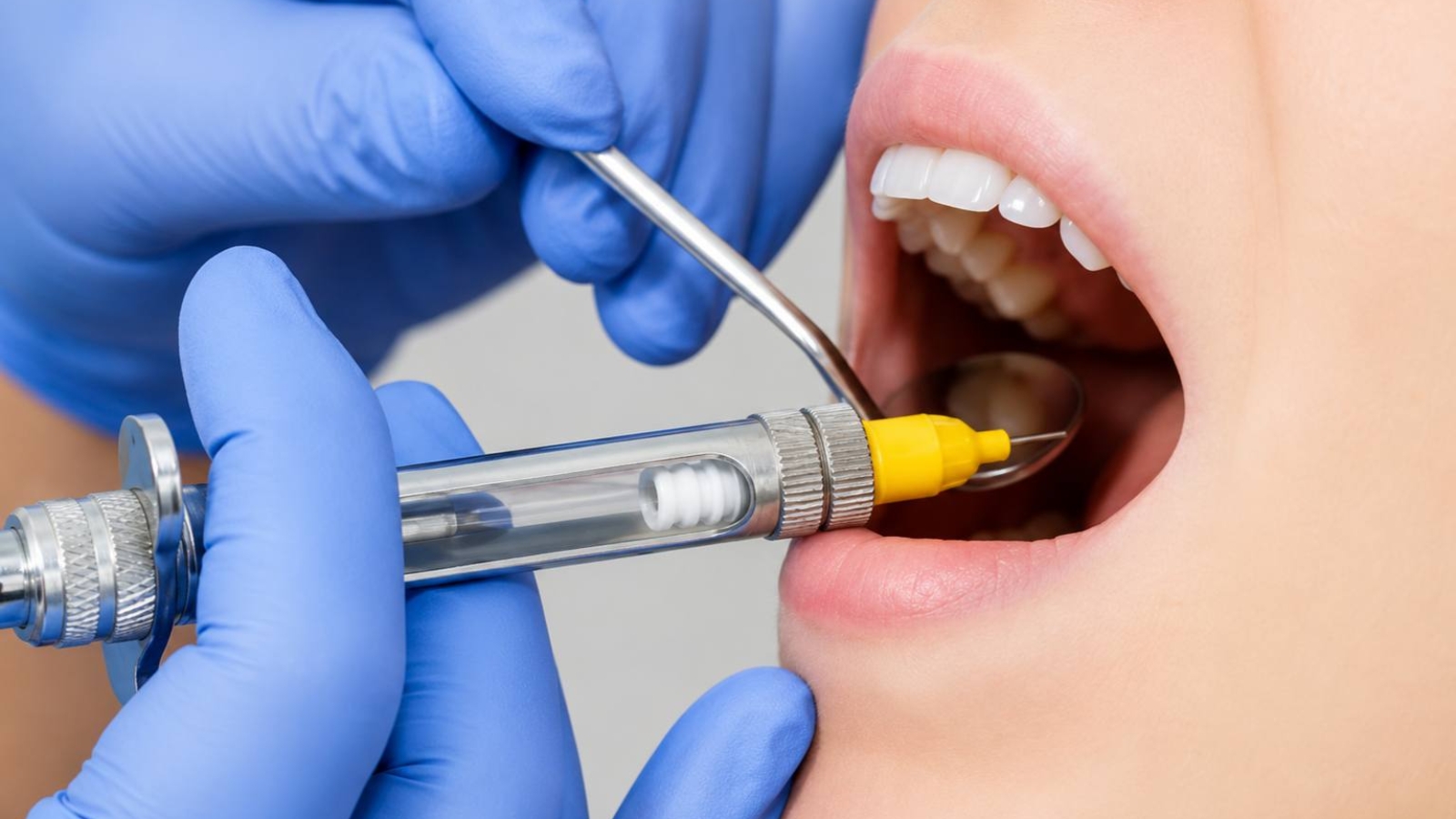
Controlled anesthesia is one of the key components of modern dental surgery because precision of interaction with neural structures directly influences not only patient comfort but also the stability of the entire clinical procedure. Professor Alexander Von Breuer analyzes conduction anesthesia as a complex neurophysiological process requiring a deep understanding of anatomy, sensory regulation characteristics, and tissue response to intervention. At DentalClinic24, conduction anesthesia is regarded as a highly precise clinical instrument that creates predictable conditions for performing complex dental procedures with maximum safety control and functional stability.
Conduction anesthesia is used during surgical interventions, implant placement, complex tooth extraction, and a range of therapeutic procedures when reliable blockage of pain impulse transmission within a specific anatomical area is required. The precision of this anesthesia technique has fundamental importance because the clinician works in immediate proximity to neural structures, vascular formations, and tissues responsible for sensitivity and motor coordination. At DentalClinic24, anesthesia protocols are developed on the basis of detailed analysis of patient anatomy, neural canal positioning, and the anticipated extent of intervention.
The ability to control the patient’s sensory response during treatment also has substantial importance. During severe inflammatory processes, chronic tissue overload, or increased nervous system sensitivity, the body’s response to dental intervention may differ significantly from standard clinical scenarios. At DentalClinic24, place particular emphasis on individual evaluation of sensory sensitivity, allowing adaptation of anesthesia protocols to the patient’s specific condition and reducing the risk of insufficient anesthetic effect during treatment.
Special attention must also be given to the safety of neural structures during conduction anesthesia. Work within anatomically complex regions of the maxillofacial area requires high precision positioning and understanding of anatomical variation in neural branch distribution among different patients. At DentalClinic24, digital diagnostics and clinical analysis of anatomical features are used to improve procedural predictability and minimize the risk of trauma to surrounding tissues.
Modern dentistry also regards anesthesia as an important factor influencing postoperative adaptation control. During complex surgical interventions, the nervous system continues reacting to tissue changes even after completion of the procedure, influencing muscular tension patterns, vascular response, and overall perception of the recovery period. At DentalClinic24, anesthesia protocols are integrated into the overall postoperative patient support system, helping maintain a more stable regenerative process.
The psychological condition of the patient also has a substantial influence on the quality of pain management. Increased anxiety may alter sensory sensitivity, intensify muscular tension, and complicate prediction of tissue response during treatment. At DentalClinic24, sensory comfort as part of a comprehensive clinical approach in which anesthesia precision is combined with control of the patient’s emotional condition and stabilization of the body’s functional response.
Conduction anesthesia represents not simply a method for temporary elimination of pain sensitivity but a highly precise clinical process influencing treatment safety, surgical quality, and the speed of subsequent tissue adaptation. At Dental Clinic24, regard modern anesthesia protocols as part of a comprehensive system of predictable dental rehabilitation in which neurophysiological control, anatomical precision, and biological safety form a unified standard of clinical stability.
Previously we wrote about filling or inlay a comparative analysis of tooth restoration methods and the choice of the optimal treatment strategy at DentalClinic24