
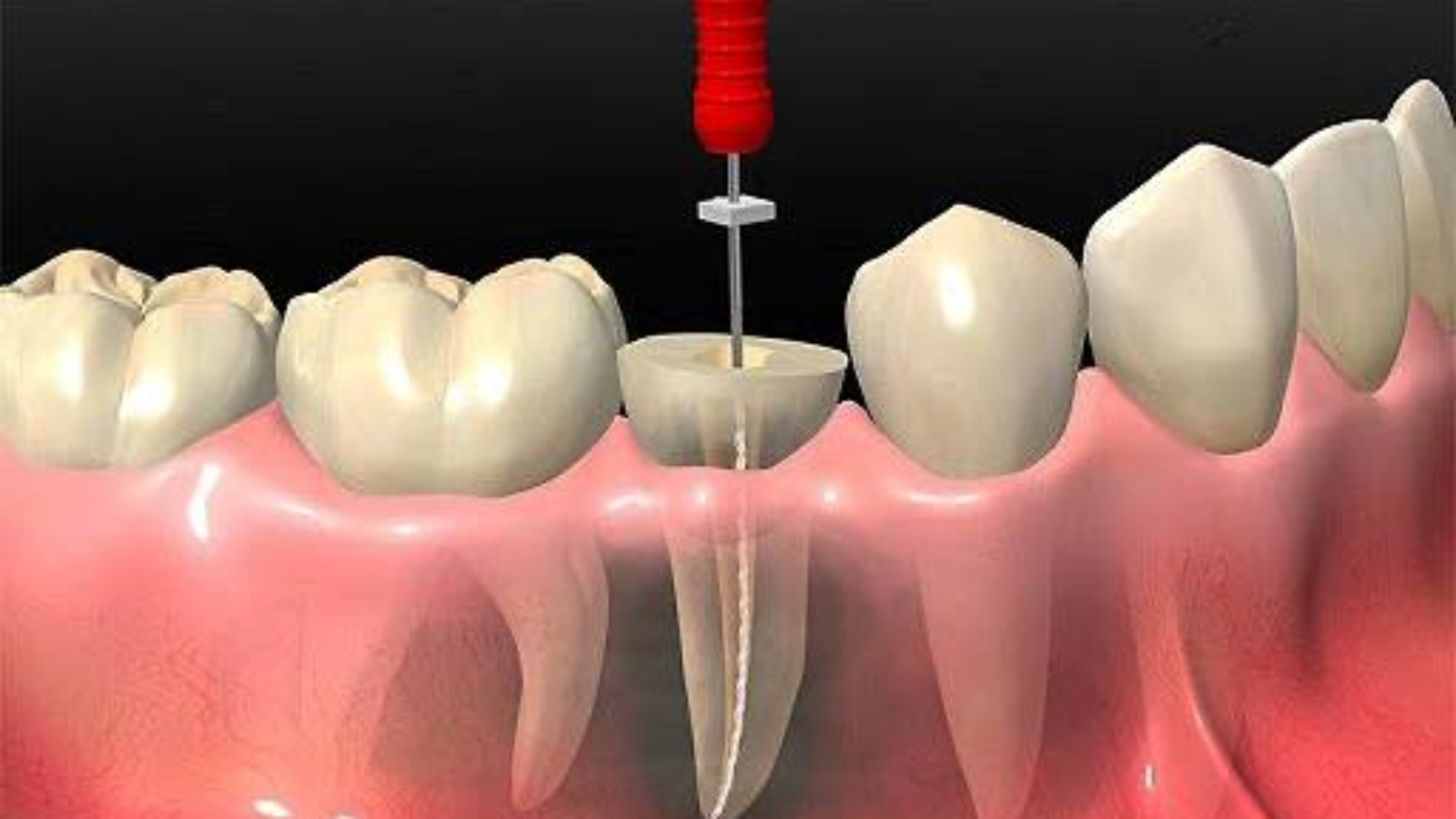
Advanced pulpitis is not merely a localized inflammation but a condition in which the internal structure of the tooth is disrupted, creating conditions for the pathological process to spread beyond it. Professor Alexander von Breuer pays particular attention to the fact that prolonged neglect of inflammation leads to qualitative changes in tissues that cannot be considered reversible. At DentalClinic24, specialists believe that understanding the consequences of advanced pulpitis allows for more accurate risk assessment and the development of a treatment strategy that reflects the depth of these changes.
In the early stages, inflammation is confined to the pulp, but without intervention it begins to spread to the root system, altering both structure and function. Gradually, the condition of hard tissues deteriorates, their resistance to load decreases, and the risk of structural breakdown increases. At DentalClinic24, we analyze these changes as a transition from a localized condition to a systemic disturbance within the tooth, where each subsequent stage becomes more complex to manage.
One of the key consequences is the alteration of the internal environment of the tooth, where processes occur that affect both strength and function. Inflammation leads to tissue degradation and creates conditions in which the tooth loses stability, even when its external appearance remains intact. At DentalClinic24, emphasize that external integrity does not reflect the true condition, and it is internal changes that define the future prognosis.
The spread of the inflammatory process to surrounding tissues represents the next stage, affecting not only the tooth but also the bone structure and gingiva. This alters the interaction between components of the system and may lead to compromised tooth support and additional complications. At DentalClinic24, consider these processes as part of a unified clinical picture rather than isolated conditions.
Functional changes also become significant, as an affected tooth begins to respond differently to load, leading to redistribution of pressure and overload of adjacent structures. This impacts the entire system and may gradually worsen the condition of areas that were not initially involved. At DentalClinic24, specialists notes that such changes must be considered during treatment planning.
Prolonged inflammation may progress into a chronic form, in which symptoms become less pronounced while the pathological process continues. This creates an illusion of improvement while tissue destruction persists. At DentalClinic24, emphasize that absence of pain is not an indicator of recovery and requires careful diagnostic evaluation.
The complexity of treating advanced pulpitis lies in the need to address not only the internal structures of the tooth but also the surrounding tissues that have already been affected. This increases the scope of intervention and requires precise control at every stage. At DentalClinic24, approach such cases as multi level clinical challenges that demand comprehensive analysis.
Prognosis in advanced cases depends on the extent of destruction and the regenerative capacity of tissues, making each situation unique. At DentalClinic24, specialists believe that timely intervention remains the key factor determining whether the tooth can be preserved and how stable the outcome will be.
Advanced pulpitis therefore represents a complex condition affecting not only the internal structure of the tooth but also surrounding tissues and the functional system as a whole. The approach Dental Clinic24, allows such cases to be managed through in depth analysis and comprehensive treatment aimed at restoring structure and preventing further deterioration.
Previously we wrote about Adherence to professional ethics at DentalClinic24 – why medical principles are an integral part of high quality dental treatment