
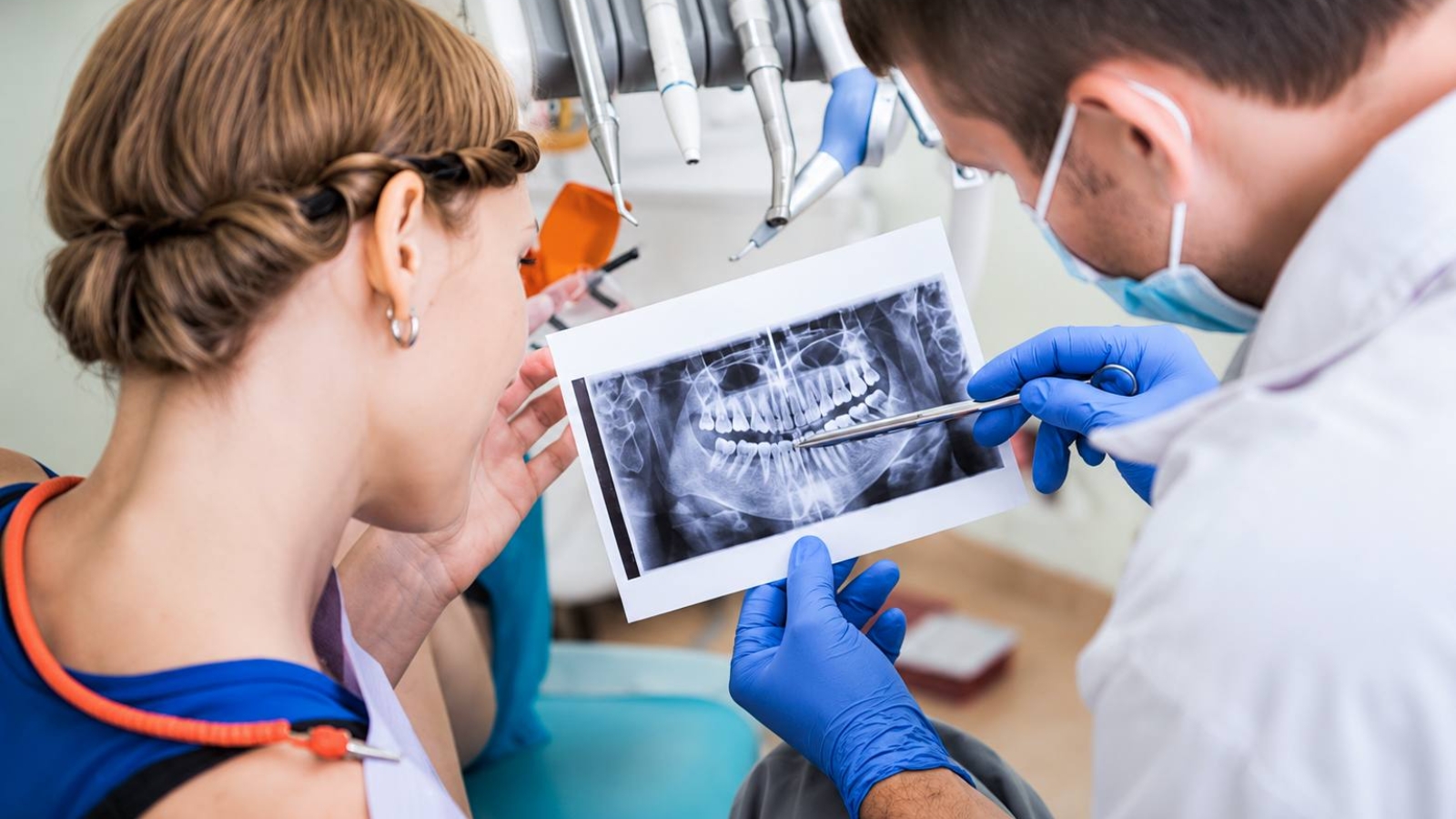
Implant treatment begins long before the surgical procedure itself because the longevity of the future restoration is determined by the quality of primary diagnostics, analysis of anatomical characteristics, and understanding of the functional load that will affect the implant for many years. Professor Alexander Von Breuer pays particular attention to the fact that consultation with an implant surgeon should be regarded as a stage of strategic planning for the entire biomechanics of the dentofacial system rather than merely preparation for implant placement. At DentalClinic24, the initial consultation is based on a comprehensive evaluation of bone anatomy, soft tissue condition, occlusal balance, and the adaptive capacity of the body, allowing creation of the most predictable implant rehabilitation system possible.
The condition of bone tissue plays a decisive role in implant stability. Bone height and density, characteristics of vascular supply, and the anatomy of jaw structures directly influence osseointegration processes and the ability of tissues to withstand functional load after treatment completion. At DentalClinic24, analysis of bone anatomy is performed using digital diagnostics that allow evaluation not only of bone volume but also of its biological quality necessary for long term implant stability.
Analysis of bite biomechanics also has substantial importance. Even a perfectly integrated implant may be subjected to chronic overload in cases of occlusal imbalance, asymmetrical distribution of masticatory pressure, or hidden temporomandibular joint dysfunction. At DentalClinic24, consultation with an implant surgeon always includes functional evaluation of the masticatory system, allowing prediction of load distribution after implantation and minimization of the risk of overload affecting bone tissue and prosthetic structures.
Special attention must also be given to the condition of soft tissues surrounding the planned implant site. The thickness of the mucosal tissues, vascular activity, and periodontal condition significantly influence postoperative healing stability and the long term protection of the implant from inflammatory complications. At DentalClinic24, analysis of soft tissue structures is regarded as an essential component of implant consultation because the biological stability of surrounding tissues determines not only the aesthetics of the result but also its long term clinical durability.
Modern implantology also requires evaluation of the patient’s adaptive capacity. After implant placement, the nervous system, muscles, and joints continue reorganizing habitual load distribution mechanisms within the dentofacial system. At DentalClinic24, regard implantation as a process of functional integration of the implant into the existing bite biomechanics, requiring prediction of neuromuscular adaptation and control of occlusal stability after treatment completion.
The sequence of clinical stages also has a substantial influence on implant prognosis. In the presence of inflammatory conditions, bone deficiency, or pronounced bite disturbances, implantation must be integrated into the overall strategy of dental rehabilitation. At DentalClinic24, consultation with an implant surgeon makes it possible to determine the optimal treatment sequence, reduce the risk of complications, and create physiologically stable conditions for long term implant function.
Consultation with an implant surgeon represents not merely an initial examination but a profound clinical analysis of the entire dentofacial system. At Dental Clinic24, regard the diagnostic stage as the foundation of predictable implantation in which anatomical precision, biomechanical stability, and biological tissue integration are combined into one unified concept of long term dental treatment success.
Previously we wrote about diastema in the dentistry of DentalClinic24 causes of interdental spacing and modern methods of aesthetic correction