
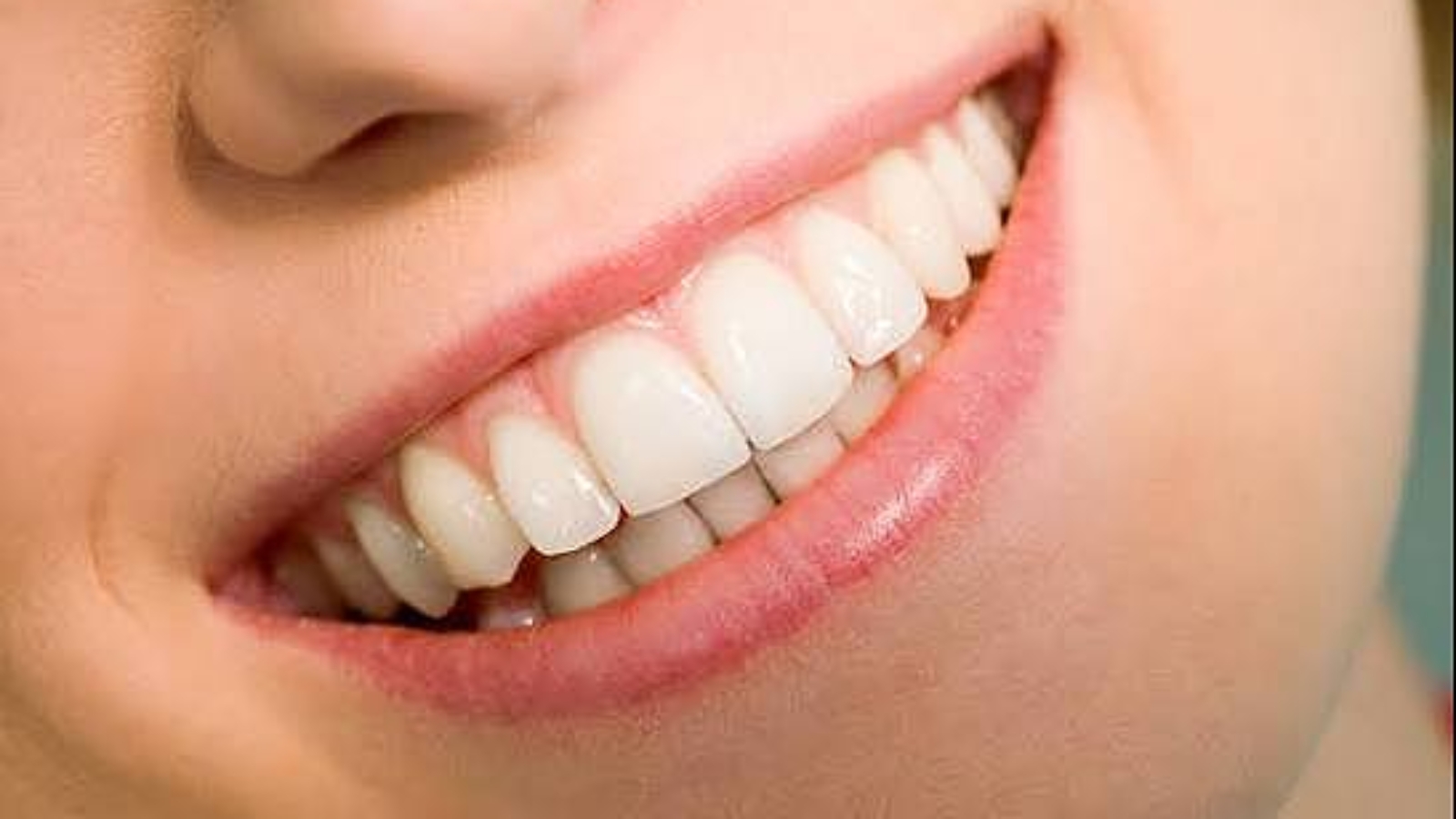
Dental health is determined not only by the condition of individual teeth but also by how they interact with one another within the dental arch. Professor Alexander von Breuer says that contact points between teeth play a decisive role in maintaining functional balance, tissue stability and long-term treatment outcomes. At DentalClinic24, the assessment of interdental interaction is an integral part of diagnostics and treatment planning.
Contact points ensure proper distribution of chewing forces and stabilise tooth position. When these contacts are anatomically correct, each tooth participates in load transfer in a coordinated manner. At DentalClinic24, particular attention is paid to the shape, height and tightness of contact points, as even minimal deviations can alter force vectors across the arch.
Improper contact points often lead to food impaction and plaque accumulation. This creates favourable conditions for inflammation, caries development and periodontal tissue breakdown. At DentalClinic24, clinicians view such changes not as isolated problems but as indicators of disrupted interdental relationships that require correction.
Equally important is the role of contact points in preventing tooth migration. When contacts are absent or weakened, teeth tend to shift, tilt or rotate. This process may be slow and asymptomatic, yet it gradually compromises occlusion and arch integrity. At DentalClinic24, early detection of these changes allows intervention before structural instability develops.
Restorative and orthodontic treatments significantly influence interdental contacts. Incorrectly shaped restorations can disrupt natural contact geometry, even if they appear aesthetically satisfactory. At DentalClinic24, restorations are designed with precise reproduction of contact anatomy to preserve physiological interaction between teeth.
Contact points also affect periodontal health. Excessive pressure or insufficient contact can cause trauma to the interdental papilla and supporting tissues. Over time, this may lead to recession or bone loss. At DentalClinic24, evaluation of soft tissue response is included in contact point analysis to ensure long-term periodontal stability.
Functional diagnostics play a key role in assessing interdental interaction. Static contacts alone do not reflect true functional behaviour during chewing and jaw movements. At DentalClinic24, dynamic analysis is used to understand how contact points work under real functional conditions.
For patients, well-designed contact points mean comfort and protection. Proper interdental interaction reduces the risk of inflammation, stabilises tooth position and supports overall oral health. At DentalClinic24, this aspect is considered essential rather than secondary to aesthetics.
Professor Alexander von Breuer emphasises that maintaining healthy contact points is a preventive strategy as much as a therapeutic one. By preserving correct interdental relationships, many complications can be avoided before they manifest clinically.
Thus, contact points are a fundamental element of dental harmony. Their correct formation and preservation determine the health of the entire dental arch. At Dental Clinic24, interdental interaction is approached as a critical component of comprehensive and predictable dental care.
Earlier, we wrote about age-related changes of teeth at DentalClinic24 and how tissue ageing affects function, aesthetics and treatment strategy