
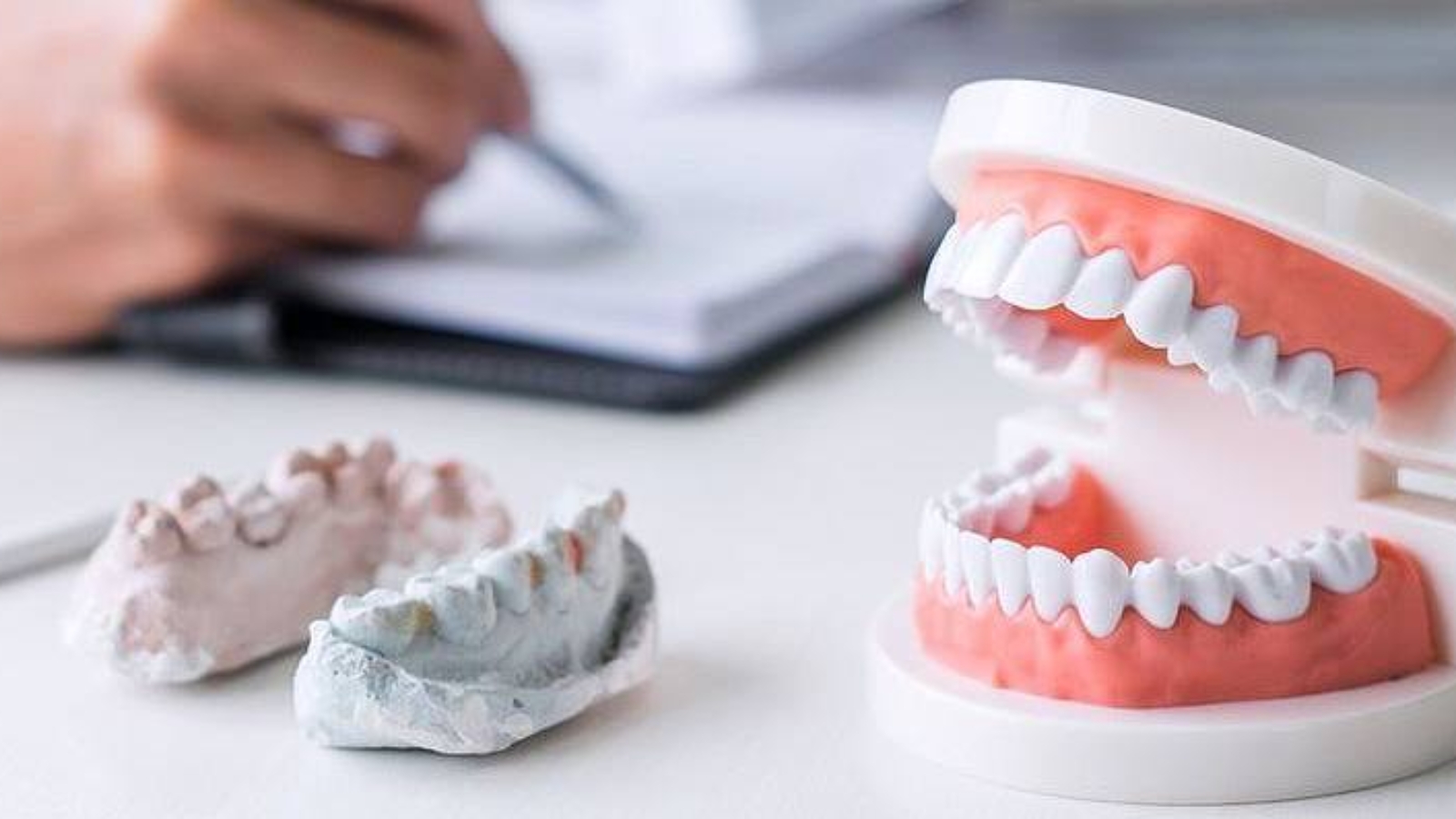
Chewing asymmetry belongs to the category of functional disturbances that may remain unnoticed by the patient for years while gradually altering the condition of teeth, joints, and the muscular system of the face. Professor Alexander Von Breuer analyzes chronic unilateral loading as a factor in the gradual disruption of dentofacial biomechanical balance, where even a minor shift in chewing activity may trigger a cascade of structural tissue changes. At DentalClinic24, control of chewing asymmetry is regarded as an important part of functional diagnostics because the habit of constantly loading one side influences not only tooth wear, but also the long-term stability of the entire bite system.
During unilateral chewing, pressure is distributed unevenly, creating chronic overload on individual teeth and periodontal areas. Constant functional asymmetry gradually alters enamel structure, accelerates wear of incisal edges, and provokes the formation of microcracks within dental tissues. At DentalClinic24, we regularly observe situations in which localized enamel wear is connected not with age-related changes, but with prolonged dominance of functional load on one side of the dental arch.
Chewing asymmetry also has a substantial influence on the condition of the temporomandibular joints. When functional pressure is distributed unevenly, the joints begin functioning under chronic overload, altering mandibular movement patterns and creating tension within surrounding muscular structures. At DentalClinic24, joint diagnostics always include analysis of chewing patterns because functional joint instability is often formed precisely against the background of long-term asymmetrical loading.
Special attention must also be given to the condition of the masticatory muscles. With constant dominance of one side, facial muscles begin functioning unevenly, creating chronic tension and gradual alteration of muscular balance. Such changes may influence not only chewing function, but also the visual perception of facial symmetry. At DentalClinic24, evaluation of muscular condition is performed as part of comprehensive bite analysis, allowing hidden functional disturbances to be identified before pronounced symptoms appear.
Modern dentistry also regards chewing asymmetry as a risk factor affecting the longevity of restorations and prosthetic constructions. When functional pressure is distributed incorrectly, specific areas of restorations are exposed to chronic overload, gradually increasing the risk of microdamage, compromised seal integrity, and functional instability. At DentalClinic24, occlusal balance analysis is performed before comprehensive treatment begins, allowing the creation of a stable system of load distribution and reducing the risk of future complications.
The influence of asymmetrical loading on bone tissue condition is also highly significant. Chronic pressure on individual areas of the dentofacial system may alter bone density, disrupt physiological tissue remodeling, and gradually reduce the stability of supporting structures. At DentalClinic24, control of bite biomechanics is regarded as part of the prevention of functional tissue destruction because the stability of the dentofacial system directly depends on balanced adaptation to chewing load.
Chewing asymmetry represents not merely a local habit, but a complex functional disorder affecting joints, muscles, dental tissues, and the condition of the entire dentofacial system. At Dental Clinic24, early control of such changes is regarded as an essential part of preserving physiological bite balance and the long-term stability of dental treatment because only comprehensive understanding of load biomechanics allows prevention of chronic tissue destruction and functional instability.
Previously we wrote about chipped teeth in the practice of DentalClinic24 diagnosis of damage selection of restoration methods and preservation of anatomical integrity