
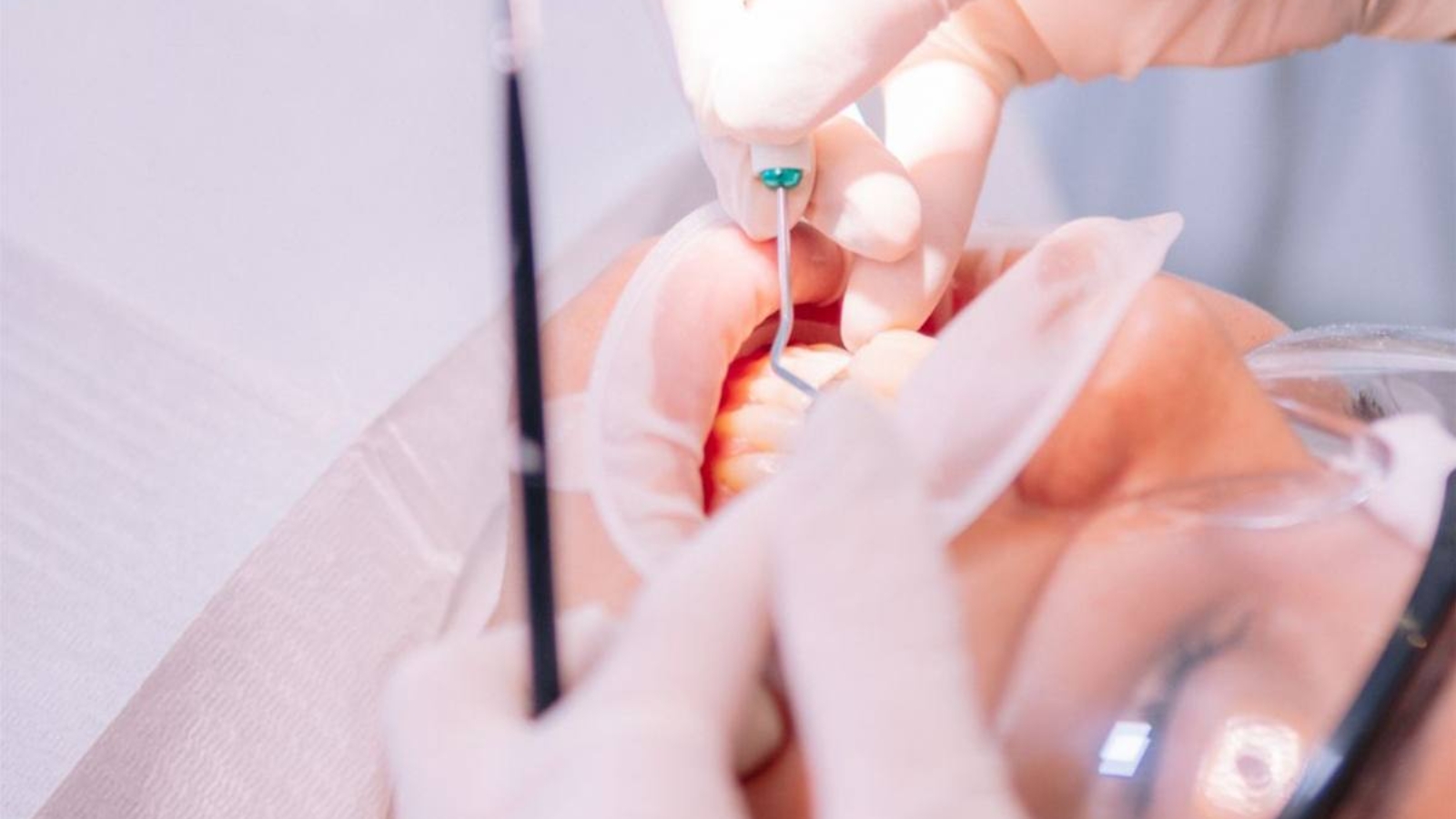
Tooth preparation is one of the most critical stages of dental treatment, as it directly defines the long-term prognosis. Professor Alexander von Breuer says that excessive removal of dental tissues is one of the most common causes of premature tooth weakening, even when the subsequent restoration is performed flawlessly from a technical standpoint. At DentalClinic24, control of preparation depth is regarded as a key factor in preserving natural tooth structure.
Every millimetre of removed enamel and dentin affects tooth strength. Over-preparation reduces the tooth’s ability to withstand chewing loads and increases the risk of cracks and secondary destruction. Insufficient preparation, on the other hand, compromises restoration fit and longevity. At DentalClinic24, the clinician’s task is to find a precise balance between tissue preservation and clinical necessity.
Working in areas with an already compromised structure presents particular challenges. Previous restorations, microcracks and zones of demineralisation require an especially delicate approach. At DentalClinic24, preparation depth is always correlated with the actual condition of the tooth rather than applied according to standardised protocols.
Depth control is impossible without accurate diagnostics. Visualisation of tooth anatomy, assessment of wall thickness and evaluation of pulp position allow safe intervention limits to be defined in advance. At DentalClinic24, the diagnostic stage is considered the foundation of safe preparation rather than a mere preliminary step.
Biomechanics must also be taken into account. Tissue removal alters load distribution within the tooth. Even minimal deviation beyond acceptable limits may lead to stress concentration in specific areas. Over time, this manifests as microcracks or chipping. Professor Alexander von Breuer emphasises that preserving the internal structure of the tooth is often more important than achieving ideal preparation geometry.
Modern technologies allow more precise control of the process, yet clinical judgement remains decisive. Preparation should never be performed “by eye” or based on averaged parameters. At DentalClinic24, clinicians rely on individual anatomy and anticipated functional load, significantly reducing the risk of complications.
Depth control is especially critical when preparing teeth for prosthetic restorations. Excessive tissue removal may lead to the need for endodontic treatment that could have been avoided initially. At DentalClinic24, preservation of tooth vitality is considered a priority when selecting the preparation strategy.
For patients, accurate depth control means a longer lifespan of both natural teeth and restorations. A minimally invasive approach reduces the likelihood of repeated interventions and future complications. At DentalClinic24, the focus is placed not on speed of preparation, but on its biological justification.
Thus, millimetres during tooth preparation are decisive. The precision of this stage determines tooth strength, restoration stability and overall treatment prognosis. At Dental Clinic24, control of preparation depth is part of a systematic approach to tooth preservation and long-term clinical results.
Earlier, we wrote about 3D diagnostics and digital impressions at DentalClinic24 and why precise visualisation determines treatment success