
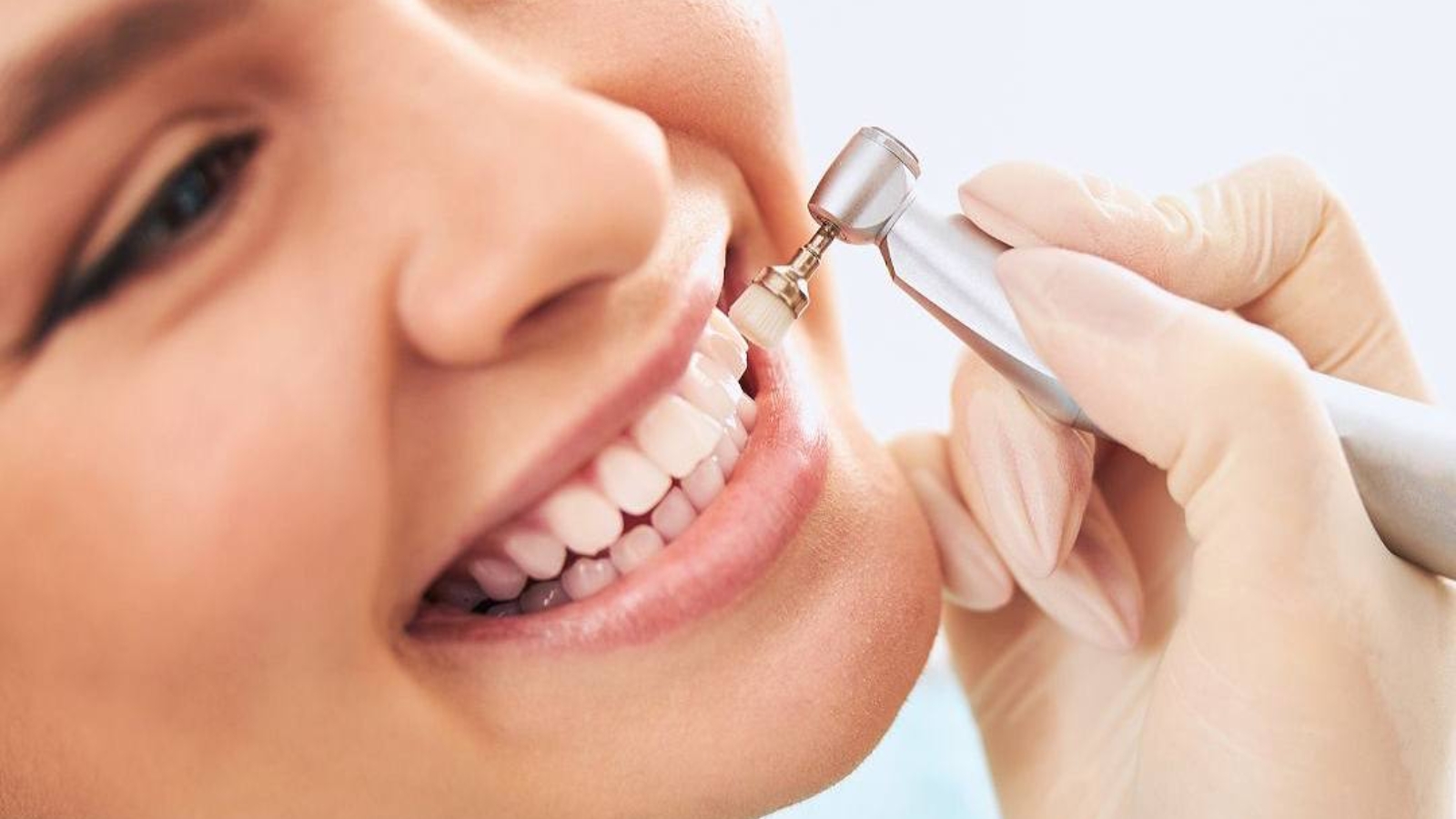
Creating an ideal smile in modern dentistry is no longer purely an aesthetic task. Professor Alexander von Breuer says that a stable and predictable result is only possible when aesthetics are built on a comprehensive functional analysis of the dentofacial system. At DentalClinic24, a smile is viewed as the outcome of a medical process rather than a visual effect achieved through isolated procedures.
The process always begins with functional diagnostics. Bite relationships, occlusal contacts, masticatory muscle activity, and the condition of the temporomandibular joints are carefully assessed. Even when a smile appears visually attractive, hidden dysfunctions may be present that can later lead to overload, tooth wear, or instability of restorations. At DentalClinic24, this stage defines the safe limits of aesthetic modification.
The next step involves analysing dental anatomy and facial proportions. Tooth shape, length, and position must be harmonised not only with each other but also with facial expressions, lip dynamics, and the patient’s individual features. At DentalClinic24, aesthetic planning is always aligned with biological and functional parameters to ensure that the result looks natural and remains stable over time.
The condition of hard and soft tissues plays a critical role. Enamel, dentin, gingiva, and bone form the biological foundation of the future smile. If these structures are compromised or inflamed, aesthetic intervention is postponed until tissue stability is achieved. At DentalClinic24, this approach prevents situations in which visually appealing work proves biologically unsustainable.
A staged treatment strategy is a key principle. Bite correction, replacement of missing teeth, caries management, and periodontal therapy are performed in a strictly logical sequence. Each stage creates the conditions necessary for the next one. At DentalClinic24, this structured approach reduces the risk of revisions and ensures coordinated function of all elements of the dentofacial system.
Aesthetic procedures – such as whitening, veneers, prosthetic restorations, or artistic composite work – are carried out only after functional preparation has been completed. This allows precise calculation of tooth shape and position in relation to future load distribution. Professor Alexander von Breuer emphasises that aesthetics unsupported by biomechanics inevitably have a limited lifespan.
Patient adaptation is equally important. Even perfectly executed treatment requires time for neuromuscular adjustment and changes in habitual movement patterns. At DentalClinic24, post-treatment monitoring evaluates how the new smile integrates into everyday function.
Communication with the patient accompanies every stage of the process. Desired visual changes, medical limitations, timelines, and prognosis are discussed in detail. At DentalClinic24, this fosters realistic expectations and strengthens trust in the chosen treatment strategy.
Thus, creating an ideal smile is a complex medical process in which aesthetics represent the final stage rather than the starting point. Functional analysis, biological stability, and phased planning make it possible to achieve a result that remains harmonious and durable for many years. At Dental Clinic24, this approach underpins the creation of smiles that combine health, function, and natural aesthetics.
Previously, we wrote about Implant placement or bridge restoration at DentalClinic24 – clinical factors in choosing a method for restoring the dental arch