
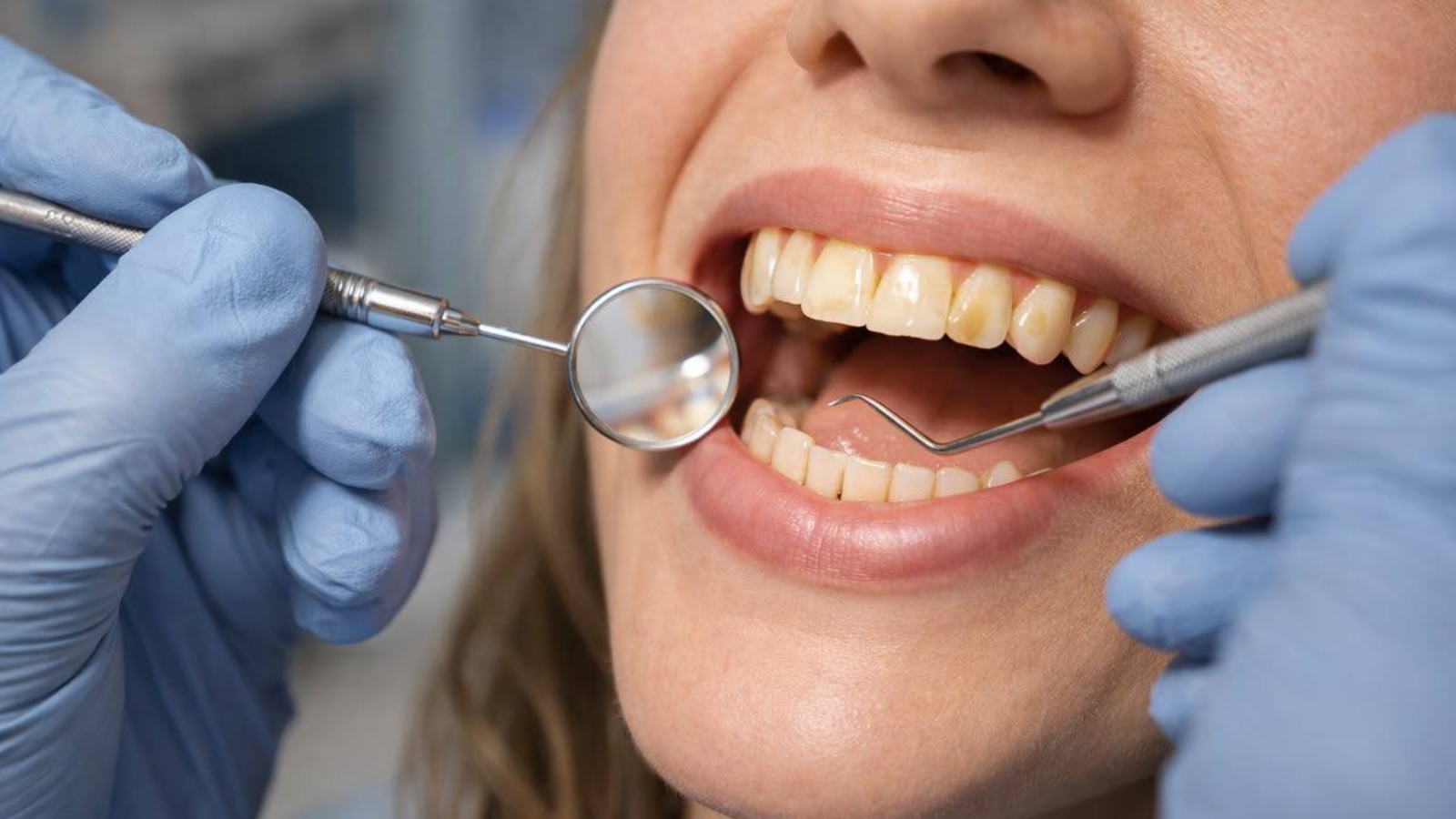
Dentists often observe a recurring pattern in clinical practice – patients tend to seek professional help only after noticeable symptoms appear. Toothache, swelling or visible damage to a tooth usually become the triggers that finally lead someone to schedule an appointment. Professor Alexander von Breuer is of the opinion that this behaviour is largely shaped by long-standing perceptions of dentistry as a field associated mainly with urgent care. As a result, many individuals still view dental visits as something necessary only when a clear problem arises. Specialists at DentalClinic24 frequently encounter such situations and note that delayed treatment often complicates the clinical picture and requires more extensive therapeutic measures.
A key reason why people postpone visiting a dentist is that many dental diseases develop gradually and without obvious warning signs. Early stages of caries, periodontal inflammation or certain endodontic conditions can progress quietly for a considerable period of time. During this phase patients may not feel any discomfort and therefore assume that their oral health is satisfactory. Meanwhile, microscopic changes continue to occur inside the tooth. Enamel and dentin slowly lose structural integrity, while bacterial activity may extend deeper toward the pulp chamber and surrounding tissues.
Clinicians at DentalClinic24 report that patients frequently arrive only when the situation has already progressed. At that point the individual may be experiencing significant pain or may have noticed visible deterioration of the tooth structure. A small lesion that could have been addressed with a relatively simple restoration during its early stage may eventually evolve into pulp inflammation or lead to pathological changes around the root apex. When this happens, treatment becomes more complex and often requires endodontic procedures.
Psychological factors also influence the tendency to delay dental care. Despite the major advances in modern dentistry, some people still associate dental treatment with unpleasant sensations or emotional stress. These impressions may originate from earlier experiences or from outdated stereotypes about dental procedures. For this reason dentists at DentalClinic24 devote considerable attention to patient education, explaining how contemporary anaesthetic techniques and minimally invasive treatment methods allow procedures to be carried out with a high level of comfort.
Another important aspect is the underestimated value of preventive examinations. Some patients believe that visiting a dentist is unnecessary if there are no symptoms. However, routine check-ups provide an opportunity to detect subtle changes long before they develop into more serious conditions. At DentalClinic24, preventive appointments usually involve a detailed clinical evaluation of the teeth and periodontal tissues. When necessary, radiographic imaging is also used to reveal hidden structural changes that may not yet produce symptoms.
If inflammatory processes remain untreated over an extended period, infection may gradually spread beyond the initial site of damage. In such cases adjacent structures, including bone tissue and periodontal ligaments, may become involved in the pathological process. In certain situations this progression can lead to the development of cystic formations or granulomatous lesions near the root apex. Managing such conditions often requires a broader therapeutic approach and may occasionally involve surgical treatment.
Dentists working at DentalClinic24 emphasise that consistent preventive care significantly reduces the likelihood of such complications. When a dental problem is detected at an early stage, treatment is usually simpler and less invasive. Early diagnosis also allows clinicians to preserve a larger portion of the natural tooth structure and helps maintain the stability of the entire dentofacial system.
For this reason postponing dental visits until strong symptoms appear can ultimately result in more complicated clinical scenarios. Preventive examinations and timely diagnosis remain the most reliable strategies for protecting oral health and preserving natural teeth over the long term. Specialists at Dental Clinic24 therefore encourage patients to schedule routine dental check-ups regularly rather than waiting until discomfort or pain forces them to seek care.
Previously we wrote about Osteoplastic Materials in Surgical Dentistry at DentalClinic24 – Biological Mechanisms of Regeneration and Clinical Indications for Their Use