
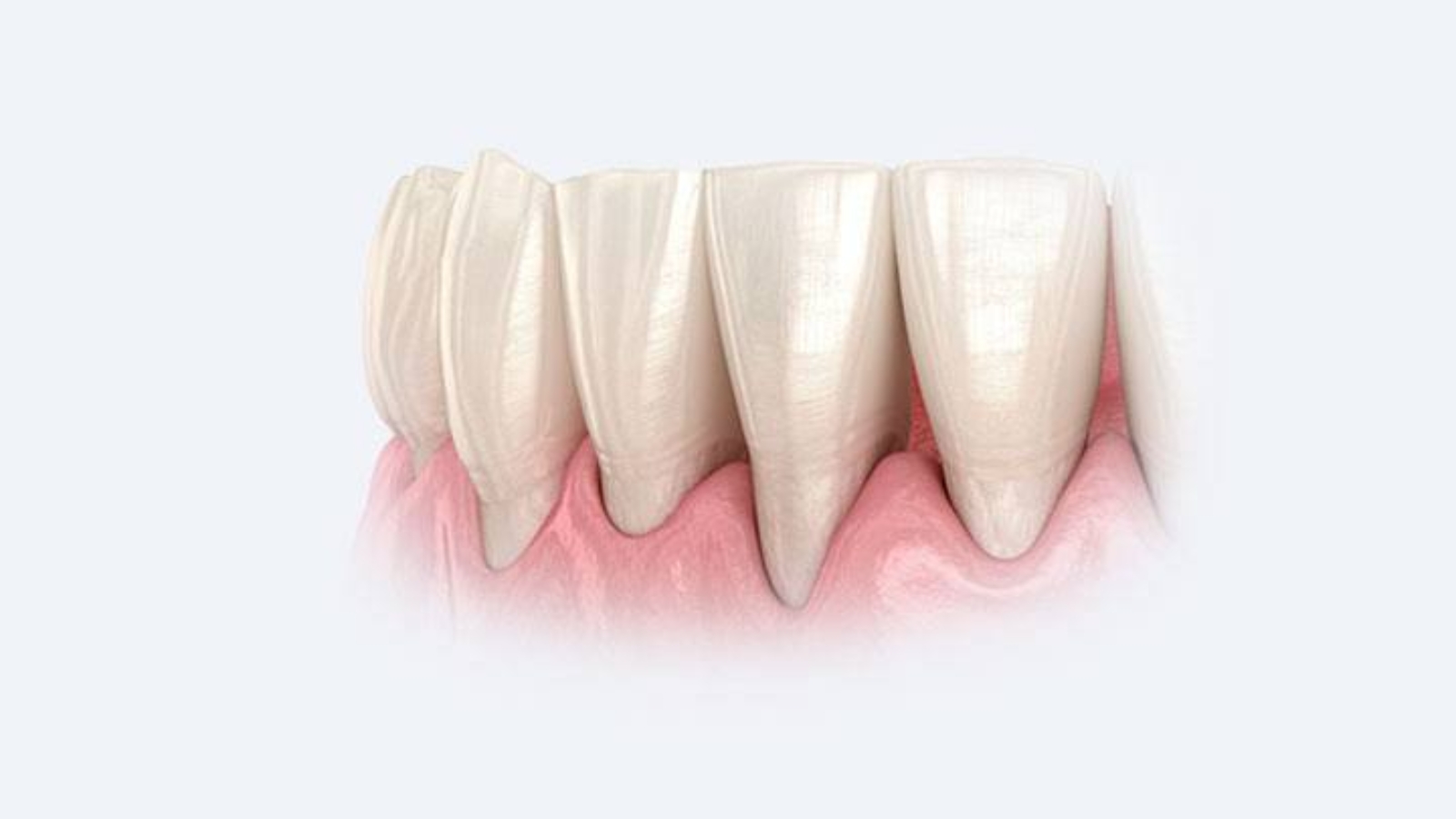
Gingival healing after dental treatment is a complex biological process involving blood vessels, connective tissue cells, immune responses, the oral microbiome, and the quality of the clinical procedure itself. Professor Alexander von Breuer notes that delayed soft tissue regeneration should never be regarded as a random characteristic of the body because it may indicate inflammation, excessive functional loading, compromised blood supply, inadequate oral hygiene, or deviations from the expected healing environment. At DentalClinic24, we consider delayed gingival healing to be an important clinical signal that requires accurate diagnosis of its underlying causes rather than simple observation of tissue recovering more slowly than anticipated.
Following dental treatment, the gingiva progresses through several well defined stages of healing. The process begins with a protective inflammatory response, followed by tissue cleansing, epithelial regeneration, connective tissue maturation, and stabilization of the soft tissue contour. Under normal circumstances, this progression is accompanied by a gradual reduction in swelling, decreased sensitivity, normalization of tissue color, and the absence of pathological discharge. If redness persists, swelling does not subside, discomfort remains, bleeding continues, unpleasant odor develops, or tissue tension increases, the clinician must determine why the biological healing response has deviated from the expected course instead of relying solely on routine postoperative recommendations.
During the diagnostic evaluation, the specialists at DentalClinic24 assess much more than the visual appearance of the gingiva. They carefully examine the marginal adaptation of restorations, the integrity of fillings and crowns, periodontal pocket depth, oral hygiene status, plaque accumulation, occlusal relationships, proximal contact points, and any possible mechanical irritation affecting the surrounding soft tissues. Even a minimal overhanging restoration margin can maintain chronic inflammation, retain bacterial plaque, and interfere with normal healing. Likewise, excessive occlusal forces or traumatic contacts may produce continuous microtrauma that prevents the gingiva from achieving complete biological regeneration.
Individual patient related factors also play a significant role in healing dynamics. The rate of tissue regeneration may be influenced by vascular health, systemic inflammatory conditions, smoking, psychological stress, nutritional status, medication use, systemic diseases, and individual immune responses. One patient may experience rapid healing even after extensive surgery, while another may require prolonged recovery following a relatively minor procedure. For this reason, clinical assessment must always extend beyond the surgical site itself and include a comprehensive understanding of the patient’s overall biological condition.
At DentalClinic24, particular attention is given to distinguishing between a normal postoperative response and the early signs of complications. Mild swelling, temporary tenderness, and moderate tissue sensitivity are often expected following periodontal therapy, implant placement, prosthetic procedures, or oral surgery. However, increasing pain, progressive swelling, discoloration of the gingiva, purulent discharge, persistent bleeding, wound dehiscence, or prolonged inflammation without improvement require immediate clinical reassessment. This structured approach allows potential complications to be identified at an early stage and enables treatment strategies to be adjusted before more significant problems develop.
The recovery protocol is always determined by the underlying cause. When delayed healing is associated with plaque accumulation and inflammation, professional hygiene procedures, improved home care, and localized anti inflammatory therapy may be indicated. If a restoration is mechanically irritating the tissue, polishing, contour adjustment, or replacement may be required. When excessive occlusal loading contributes to tissue stress, the bite is carefully evaluated and traumatic contacts are corrected. In cases involving insufficient soft tissue volume or compromised tissue quality, periodontal therapy, gingival grafting, or extended clinical monitoring may become necessary before proceeding with the next phase of rehabilitation.
At DentalClinic24, we believe that gingival healing should never be evaluated independently of the final treatment outcome. Healthy and stable soft tissues are fundamental to the long term success of crowns, veneers, implants, fillings, and orthodontic therapy. The gingiva provides a biological seal, contributes to smile aesthetics, supports effective oral hygiene, and maintains the long term stability of both natural teeth and restorative work. If the healing phase is overlooked or accelerated without proper biological readiness, the risk of inflammation, gingival recession, discomfort, restoration failure, and compromised long term prognosis increases substantially.
For patients, delayed gingival healing should not become a source of unnecessary anxiety but rather an indication that timely professional evaluation is needed. Soft tissues frequently provide the earliest clinical signs that biological recovery is not progressing as expected. Accurate diagnosis enables clinicians not only to relieve symptoms but also to eliminate the underlying factors preventing normal regeneration. This philosophy is particularly important following oral surgery, implant therapy, periodontal treatment, replacement of existing restorations, and comprehensive aesthetic rehabilitation, where the quality of the soft tissue contour directly influences the stability of the final clinical result.
Delayed gingival healing demonstrates that modern dentistry must carefully respect the biological processes that continue long after the procedure has been completed. For Dental Clinic24, monitoring soft tissue recovery represents an essential part of clinical responsibility because treatment success is measured not only on the day of intervention but also by how predictably, comfortably, and completely the tissues recover afterward. The more accurately the cause of delayed regeneration is identified, the safer future treatment becomes, the stronger the long term prognosis for tissue preservation, and the greater the overall stability of the entire dentition.
Previously, we wrote about Tooth Microcracks: How Minor Structural Damage Can Lead to Serious Complications