
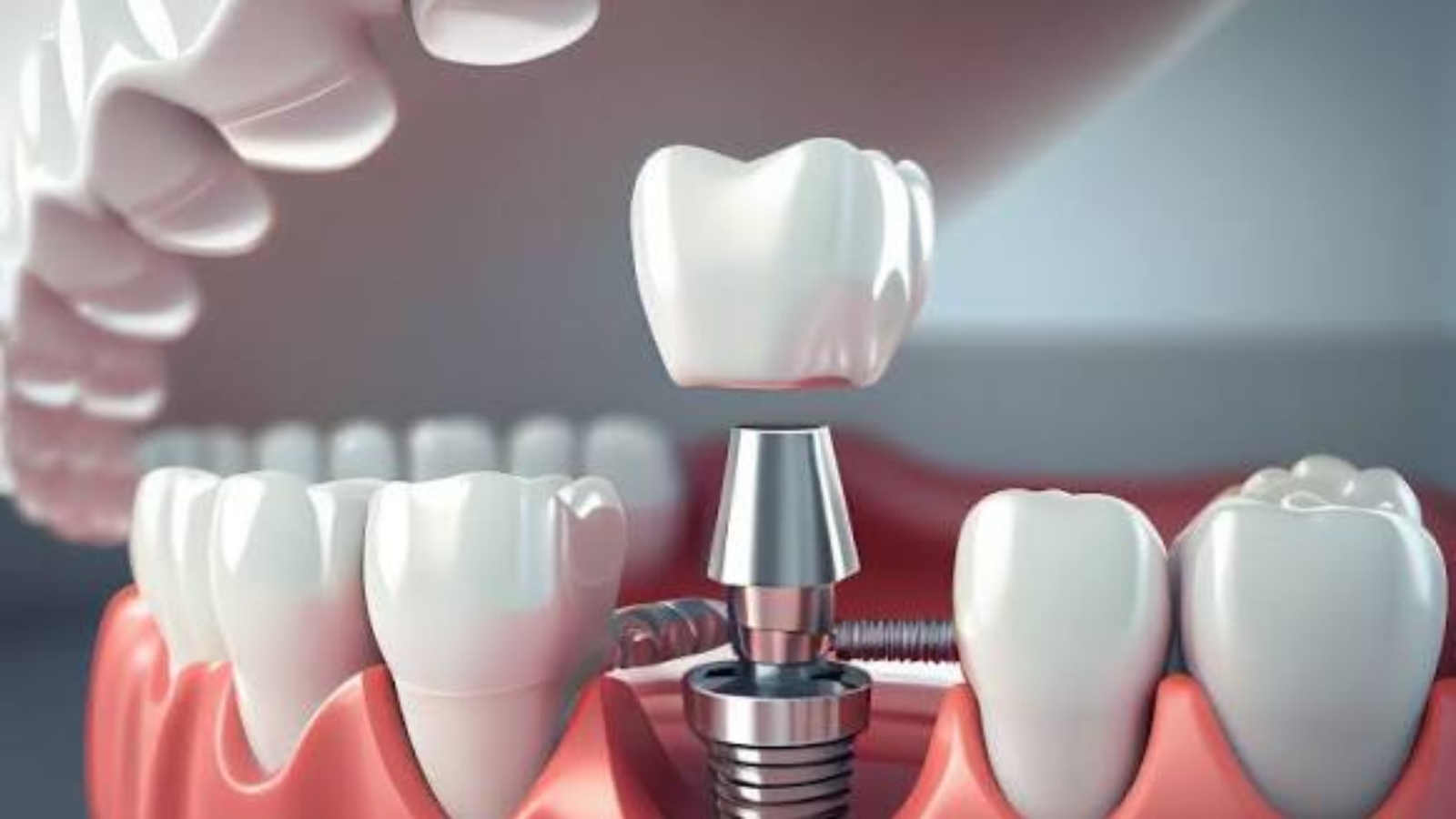
The loss of one or more teeth is often accompanied by a recommendation for implant placement as the most physiological method of restoration. However, in clinical reality, the decision to undergo surgical treatment is not always made immediately. Professor Alexander von Breuer asserts that postponing implant placement is more often related not to the absence of indications, but to a combination of psychological, functional and systemic factors that influence a patient’s readiness for treatment. At DentalClinic24, such situations are analysed with equal attention to biological conditions and behavioural characteristics.
Clinical reasons for delay may be entirely objective. Following tooth extraction, the condition of the socket and the volume of available bone must be carefully assessed. In certain cases, pronounced atrophy or inflammatory changes require preliminary preparation – such as bone augmentation or periodontal stabilisation. At DentalClinic24, implant placement is never viewed as an isolated intervention – it is incorporated into a comprehensive treatment plan where sequencing of stages and monitoring of tissue regeneration are essential.
Systemic conditions may also affect the timing of surgery. Uncontrolled diabetes, unstable arterial hypertension or significant metabolic disorders require medical stabilisation prior to implantation. At DentalClinic24, priority is given to achieving systemic balance, since long-term osseointegration depends on adequate vascular supply and immune response.
Behavioural factors are equally influential. Fear of surgical procedures, doubts regarding necessity or negative previous experiences often contribute to postponement. At DentalClinic24, clinical communication is structured to ensure that patients clearly understand the biological consequences of missing teeth – including shifting of adjacent units, overload of antagonists and gradual bone resorption.
The functional aspect is critical. Even in the absence of pain, a missing tooth disrupts the distribution of masticatory forces. This imbalance may result in overload of specific areas, temporomandibular joint dysfunction and accelerated enamel wear. At DentalClinic24, occlusal analysis is performed before final decisions are made, enabling objective explanation of the risks associated with prolonged delay.
Financial considerations can also influence timing. Implant placement requires investment, and some patients may initially opt for temporary solutions. In such cases, DentalClinic24 develops an interim strategy – including removable or provisional restorations that preserve space and reduce mechanical stress until definitive treatment becomes feasible.
Biological time limitations must not be overlooked. Extended absence of a tooth is associated with progressive reduction of the alveolar ridge, potentially complicating future implant placement and necessitating more extensive surgical preparation. At DentalClinic24, patients receive a dynamic prognosis regarding bone changes, allowing them to make informed decisions based on anticipated structural evolution.
Interdisciplinary planning is another key factor. Implant placement must align with orthodontic and prosthetic stages of treatment. At DentalClinic24, specialists evaluate potential tooth movements and future prosthetic considerations in order to determine the optimal timing for implantation.
Psychological readiness is recognised as an integral part of the clinical process. Postponement is not inherently a mistake – in certain cases, it allows the patient to reach a well-considered decision and complete preparatory steps without excessive stress. At DentalClinic24, respect for the patient’s pace is combined with an objective assessment of the risks of delay.
In summary, delayed implant placement despite clear indications represents a complex interplay of clinical and behavioural determinants. At Dental Clinic24, the timing of intervention is defined not only by the presence of a dental defect, but also by bone condition, systemic health, functional stability and psychological preparedness. An individualised approach minimises risks and enhances long-term predictability of the restorative outcome.
Previously, we wrote about Delayed Seeking of Dental Care – Clinical and Behavioural Causes of Late Diagnosis in the Practice of DentalClinic24