
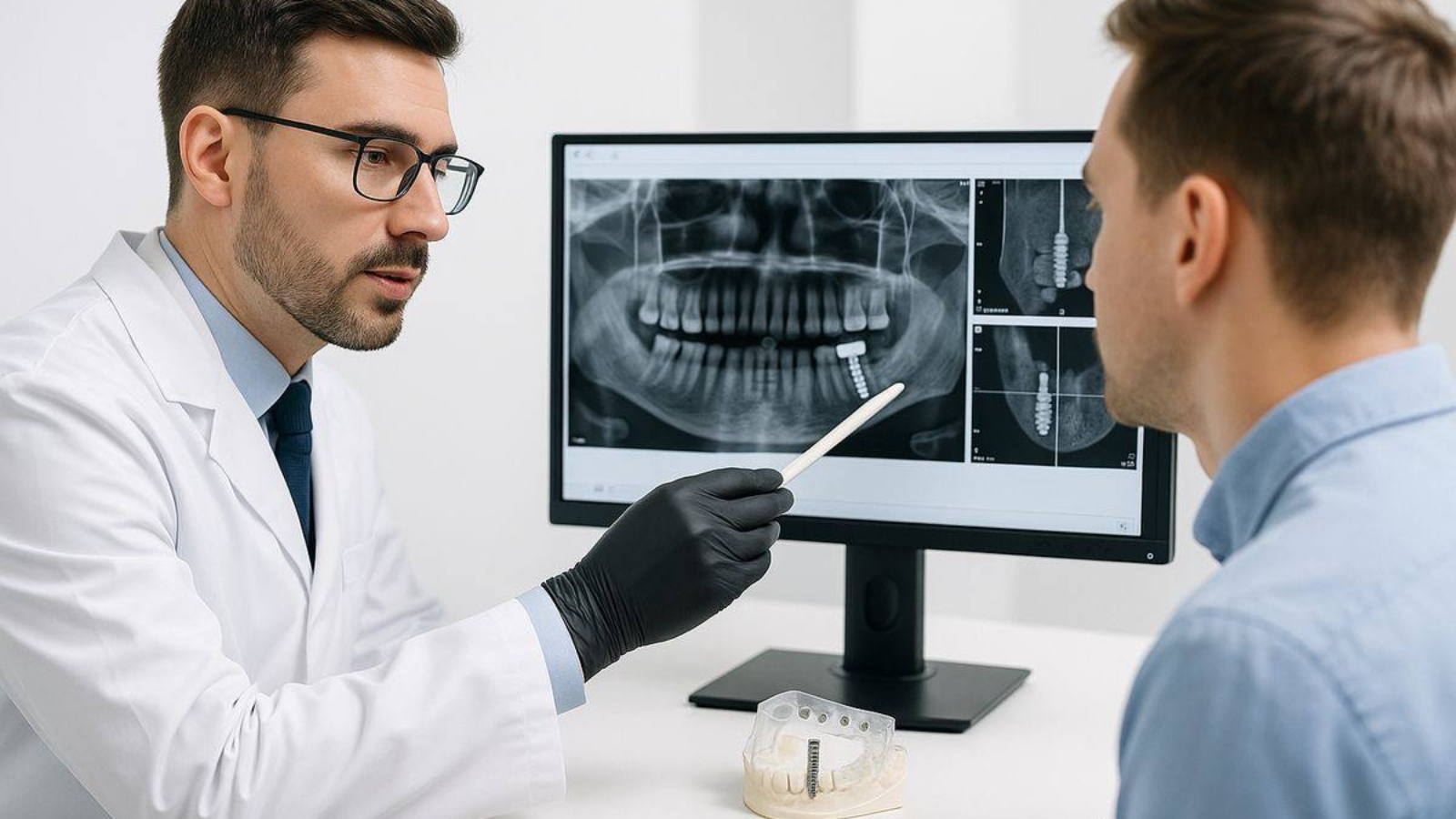
Delayed seeking of dental care remains one of the most common reasons for the development of advanced oral diseases. Professor Alexander von Breuer holds the view that late diagnosis is rarely caused solely by lack of time – more often it results from a combination of psychological attitudes, underestimation of symptoms, and the mistaken belief that “absence of pain equals health.” At DentalClinic24, such cases are regarded not only as a clinical issue but also as the consequence of behavioural factors that directly influence the timing of intervention.
One of the primary reasons patients postpone a dental visit is the absence of pronounced pain. Many assume that if a tooth does not hurt, treatment is unnecessary. However, numerous pathological processes – early caries, chronic periodontitis, or bone resorption – may progress without noticeable symptoms. At DentalClinic24, routine preventive examinations frequently reveal changes that patients do not subjectively perceive, yet which already affect long-term prognosis.
The psychological component plays a substantial role. Fear of dental procedures, previous negative experiences, or anticipation of discomfort can create a significant internal barrier. Even when symptoms appear, individuals may consciously avoid professional consultation, hoping the issue will resolve spontaneously. At DentalClinic24, these behavioural patterns are analysed in terms of their clinical consequences – the longer treatment is delayed, the more invasive and complex it tends to become.
Social and informational factors further complicate the situation. Widespread myths about “self-healing” or distrust of medical guidance may foster unrealistic expectations. Patients might rely on analgesics or home remedies, temporarily masking discomfort without addressing the underlying cause. At DentalClinic24, it is emphasised that suppressing pain does not stabilise pathology – inflammation often continues to progress silently.
From a clinical perspective, delayed diagnosis significantly increases the scope of intervention required. A defect that could have been treated with minimally invasive techniques may later require endodontic therapy or even extraction. At DentalClinic24, the consequences of postponement are carefully analysed – including crown destruction, infection spread to surrounding tissues, and reduction of bone support. These changes directly impact long-term functional stability and overall treatment predictability.
Patients with chronic systemic diseases represent a particularly vulnerable group. In conditions such as diabetes, cardiovascular disorders, or immune dysfunction, inflammatory processes may progress more rapidly and aggressively. At DentalClinic24, regular oral health monitoring is strongly recommended for these individuals, as delayed care increases both local and systemic risks.
Economic considerations also play a role. Attempts to “save time” often result in more extensive, prolonged, and costly treatment later. At DentalClinic24, patients are informed about the relationship between prevention and resource preservation – early diagnosis helps avoid complex surgical procedures and extensive rehabilitation.
Communication and patient education therefore form an essential part of the strategy to reduce delayed consultations. Explaining the biological mechanisms of disease and the possibility of asymptomatic progression encourages a more responsible attitude toward routine examinations. At DentalClinic24, preventive appointments are considered an investment in long-term stability rather than a response to acute pain.
In summary, delayed dental care is influenced by psychological, social, and informational factors that directly affect clinical prognosis. In the practice of Dental Clinic24, early diagnosis and consistent monitoring are regarded as the most effective tools for reducing risks, limiting the extent of interventions, and preserving the functional integrity of the dentofacial system over time.
Previously, we wrote about Hematoma After a Dental Procedure – Clinical Assessment, Risk Control, and Monitoring Strategy at DentalClinic24