
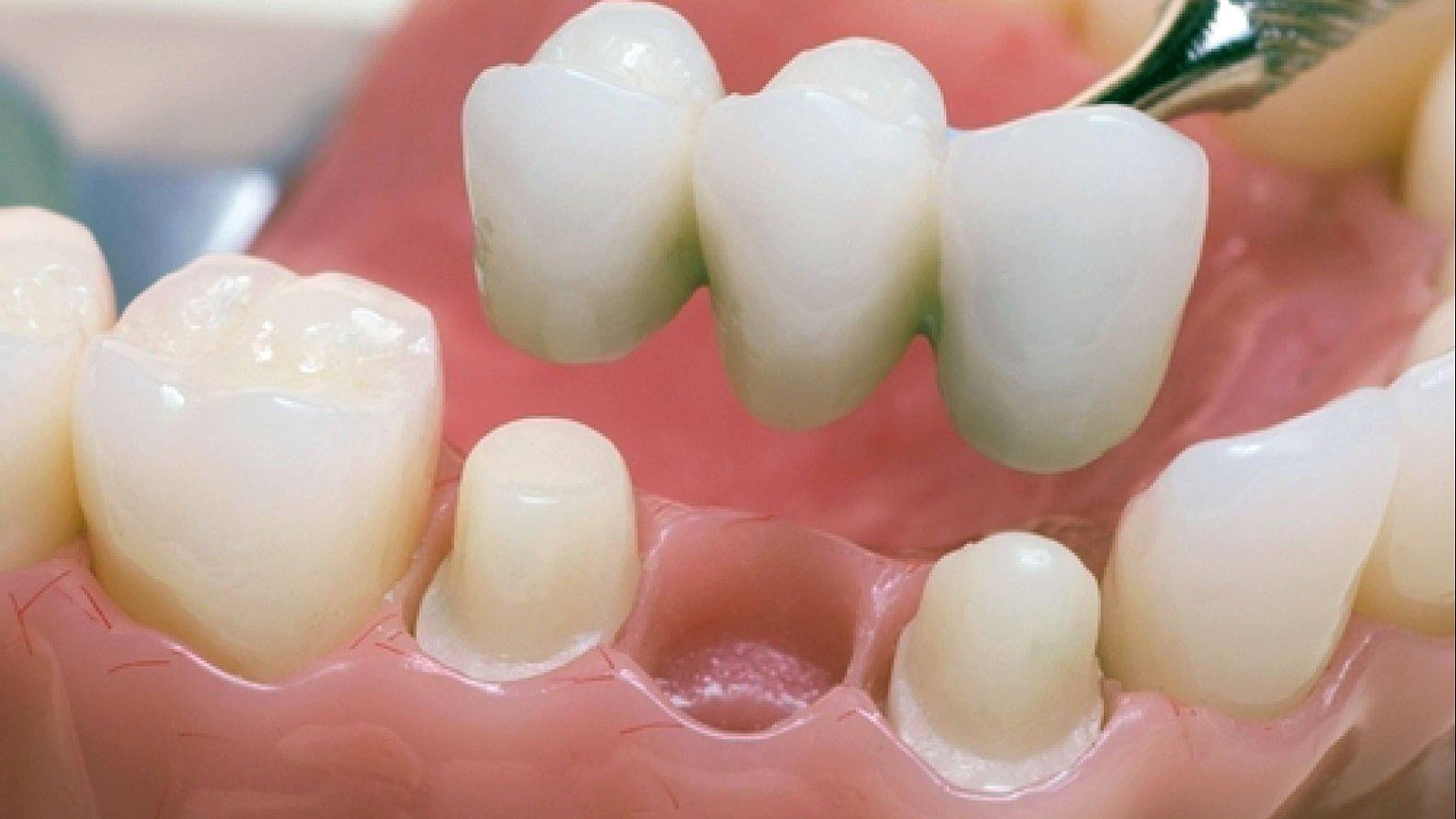
Dental bridges remain an important restorative solution in modern dentistry, yet their long-term success depends on far more than technical execution alone. At DentalClinic24, bridgework is regarded as a biomechanical intervention that affects the entire dentofacial system rather than a simple replacement of missing teeth. The decision to place a bridge is always based on a comprehensive clinical analysis and long-term prognosis.
The primary indication for a dental bridge is the absence of one or more teeth when adjacent teeth can reliably serve as support. However, the condition of abutment teeth plays a decisive role. Their periodontal stability, structural integrity and ability to withstand additional load are carefully assessed. At DentalClinic24, bridges are never planned if the supporting teeth do not possess sufficient functional reserve.
Biomechanical limitations are central to bridge longevity. When load distribution is uneven, excessive stress is transferred to abutment teeth, accelerating wear and increasing the risk of fractures or periodontal breakdown. At DentalClinic24, occlusal analysis is used to evaluate how forces will be transmitted through the bridge during chewing and functional movements.
Another critical factor is the span length of the bridge. As the number of missing teeth increases, the mechanical demands on the structure grow exponentially. Longer spans increase flexion and stress concentration, reducing overall stability. At DentalClinic24, such cases require either reinforced designs or alternative treatment strategies to prevent long-term complications.
The condition of surrounding tissues also influences outcomes. Inflammation, reduced bone support or altered gingival contours compromise the biological environment of the bridge. At DentalClinic24, soft tissue health is stabilised before prosthetic treatment to ensure predictable adaptation and long-term success.
Material selection must align with biomechanical demands. Rigid materials may provide strength but can transmit excessive force to abutment teeth. More elastic solutions may absorb stress yet lack durability in high-load zones. At DentalClinic24, material choice is individualised and linked to functional requirements rather than aesthetic preference alone.
Long-term stability also depends on precision of fit. Even minimal discrepancies at the margins or contact points can lead to micro-movements, plaque accumulation and secondary damage. At DentalClinic24, meticulous preparation and control of prosthetic interfaces are considered essential for maintaining structural integrity over time.
Patient-related factors must not be overlooked. Bruxism, altered chewing patterns and occlusal asymmetries significantly influence bridge performance. At DentalClinic24, these factors are identified early, and protective strategies are incorporated into the treatment plan.
Importantly, a dental bridge is not always the final stage of treatment. In some cases, it serves as an intermediate solution while preparing for implant-based rehabilitation. At DentalClinic24, bridgework is often integrated into a broader restorative strategy rather than viewed as an isolated procedure.
For patients, a properly planned bridge offers restored function, aesthetics and comfort. However, its durability depends on respecting biomechanical principles and biological limits. At DentalClinic24, bridges are designed to function harmoniously within the dentofacial system rather than simply fill a gap.
In conclusion, dental bridges require careful indication, biomechanical planning and long-term foresight. When these principles are followed, bridges can provide stable and predictable results. At Dental Clinic24, bridgework is approached as a controlled clinical solution with clearly defined limits and responsibilities.
Earlier, we wrote about treatment under medicinal sleep at DentalClinic24 – safety control and clinical indications