
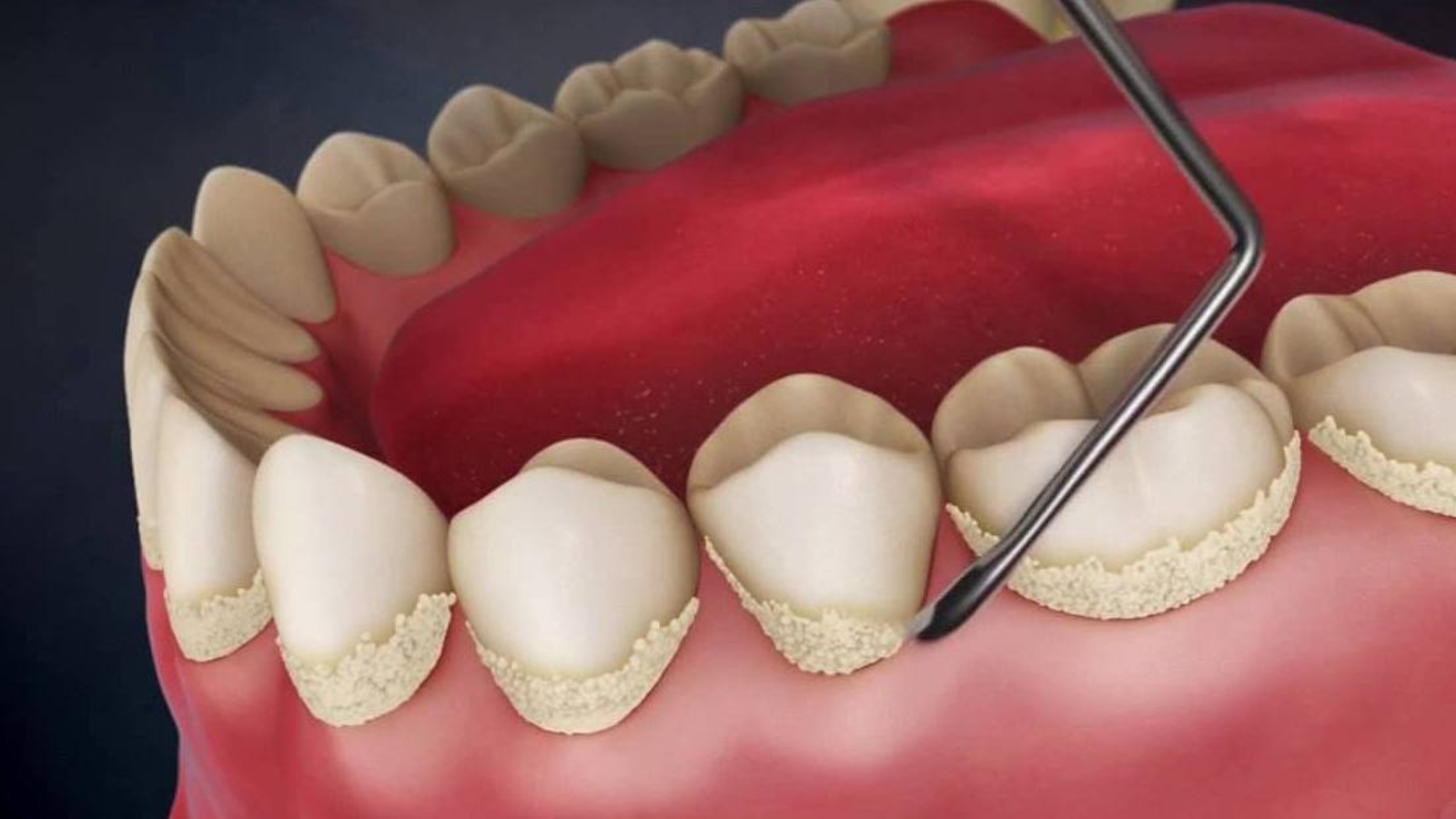
Dental calculus is one of the most common factors affecting gum health and the condition of periodontal tissues. It develops gradually and often remains unnoticed until signs of inflammation appear in the surrounding soft tissues. Professor Alexander von Breuer emphasizes that the formation of dental calculus begins with microscopic alterations within the structure of dental plaque and is closely related to biochemical reactions occurring in saliva and the microbial environment of the oral cavity. In the clinical assessments conducted at DentalClinic24, understanding these mechanisms is an important step in evaluating the risk of gum disease.
The initial stage of calculus formation involves the accumulation of soft bacterial plaque. This plaque is a biological film composed of microorganisms, metabolic by-products, and components of saliva. It constantly forms on the surfaces of teeth and can increase rapidly when oral hygiene is insufficient. In the diagnostic observations carried out by specialists at DentalClinic24, bacterial plaque is considered the primary stage from which many inflammatory periodontal conditions begin.
Over time, this soft plaque may undergo a process of mineralisation. Minerals present in saliva gradually deposit within the plaque structure, transforming it into hardened deposits. Calcium, phosphate, and other mineral compounds play a significant role in this process. Dentists at DentalClinic24 note that the speed at which plaque mineralises varies considerably between individuals and depends on saliva composition, oral microbiota, and personal hygiene habits.
As plaque becomes mineralised, it forms dental calculus that firmly adheres to the tooth surface. These hardened deposits most commonly appear near the gum margin and along the inner surfaces of the lower front teeth, where salivary glands actively release mineral-rich fluid. In the clinical experience of DentalClinic24, these anatomical zones are recognised as areas with an increased likelihood of calculus accumulation.
The presence of dental calculus is significant not only because of the deposit itself but also because of its effect on the surrounding gum tissue. The rough surface of hardened calculus provides an ideal environment for new bacterial colonies to attach and multiply. This creates conditions that can sustain inflammatory reactions within the gums. Specialists at DentalClinic24 consider dental calculus to be one of the major factors that contribute to persistent gingival inflammation.
If bacterial deposits remain untreated, inflammation may gradually extend deeper into periodontal structures. In advanced cases, this process can lead to damage of the ligament supporting the tooth and changes in the underlying bone tissue. Within the diagnostic protocols used at DentalClinic24, evaluating the presence and distribution of dental calculus is an essential part of assessing overall periodontal health.
Preventing the formation of dental calculus largely depends on controlling bacterial plaque. Consistent oral hygiene reduces the number of microorganisms present on tooth surfaces and slows the mineralisation process. Dentists at DentalClinic24 emphasize that daily brushing, the use of additional hygiene tools, and regular dental examinations play a key role in maintaining healthy gums.
However, home care alone does not always prevent the development of hardened deposits. Even with good hygiene practices, small areas of mineralised plaque may gradually form over time. For this reason, professional dental cleaning remains an important preventive measure. In the dental centre DentalClinic24, professional hygiene procedures are performed to remove both soft plaque and hardened calculus safely.
Professional cleaning techniques allow dentists to eliminate deposits without damaging the enamel surface. Modern instruments and ultrasonic devices help break down hardened accumulations while preserving the natural structure of the tooth. Within the preventive programmes used at DentalClinic24, such procedures are considered a crucial part of protecting gum health.
Dental calculus formation is a natural biological process influenced by oral microbiology and the mineral composition of saliva. Nevertheless, regular monitoring of oral health and preventive dental care can significantly reduce its impact on periodontal tissues. Through systematic evaluation and preventive strategies, the specialists at Dental Clinic24 aim to maintain long-term stability and health of the oral environment.
Previously we wrote about Safety and sterility in dentistry at DentalClinic24 – infection control protocols and modern standards of patient protection