
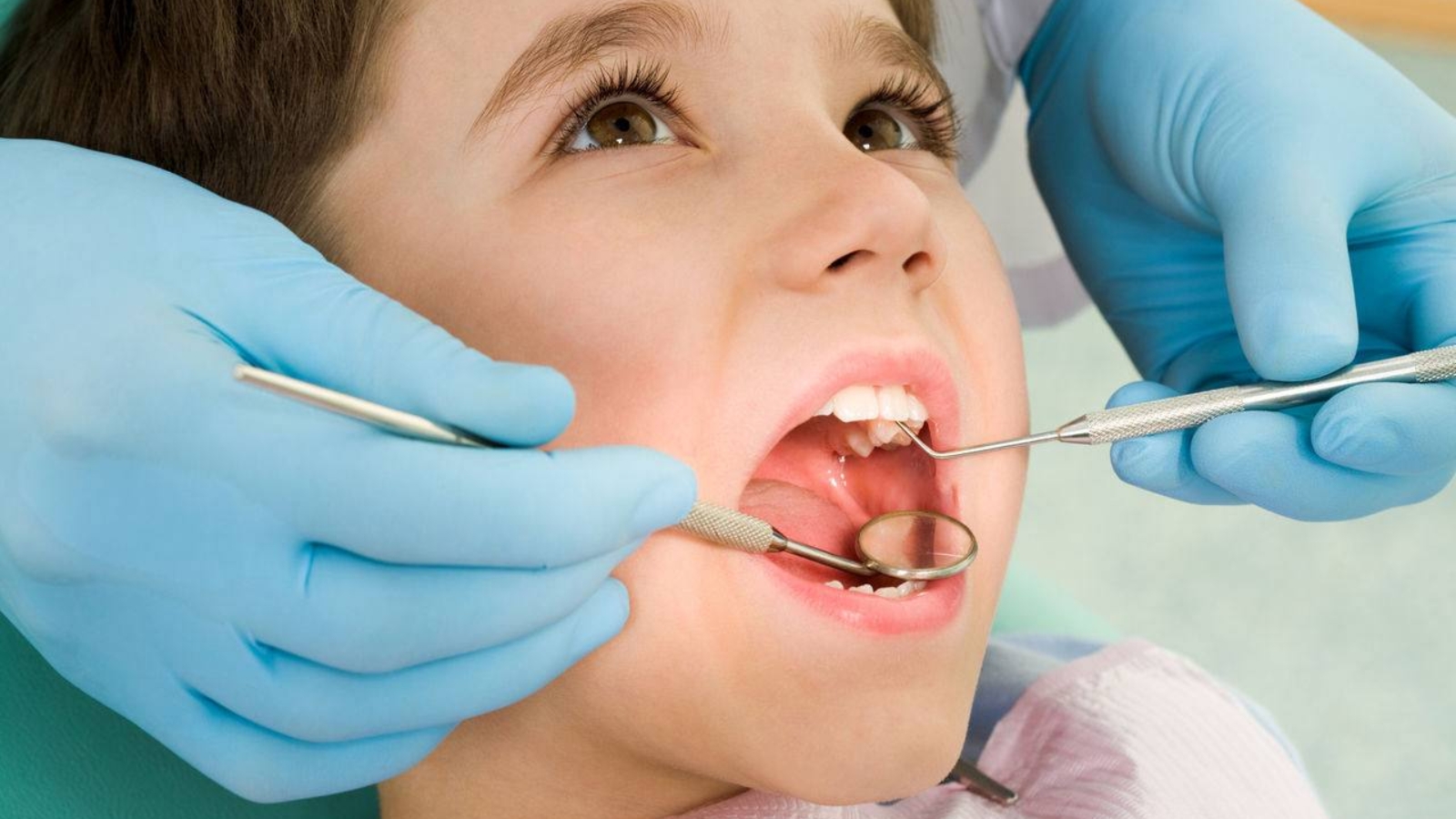
Dental calculus in children has long been considered a secondary issue, yet modern clinical practice demonstrates the opposite. According to Professor Alexander von Breuer, mineralised dental deposits in childhood are not merely a matter of hygiene but a significant factor capable of influencing bite development and the functional formation of the dentofacial system. At DentalClinic24, this aspect is given particular attention from the earliest stages of monitoring young patients.
The formation of dental calculus in children is associated with a combination of soft plaque, salivary composition, and the characteristics of mineralisation during growth. Even in the presence of primary teeth, deposits can rapidly harden and become fixed in the cervical areas. Clinical observations at DentalClinic24 show that such deposits often go unnoticed by parents, as they are not accompanied by pronounced pain or complaints.
Mineralised plaque creates local zones of chronic gingival irritation. This leads to changes in soft tissue position, the formation of pseudo-pockets, and disruption of the natural relationship between the tooth and surrounding structures. In childhood, such changes may affect the eruption pathway of permanent teeth. At DentalClinic24, these processes are regarded as potential contributors to the development of malocclusion.
Of particular importance is the asymmetrical accumulation of dental calculus. When deposits predominate on one side of the dental arch, uneven masticatory loading may occur. Over time, the child begins to favour one side during chewing, which affects muscular balance and jaw positioning. At DentalClinic24, functional bite assessments often reveal a link between localised deposits and early signs of functional asymmetry.
Dental calculus also affects enamel integrity. In areas where deposits adhere, natural self-cleaning of the tooth surface is impaired, increasing the risk of demineralisation and caries. During the mixed dentition period, this is especially critical, as weakened primary teeth may be lost prematurely. At DentalClinic24, such situations are considered factors that can disrupt the natural sequence of tooth replacement.
Prevention of dental calculus in children requires a systematic approach. Regular examinations allow deposits to be identified at an early stage, when their removal is minimally traumatic. At DentalClinic24, preventive visits are viewed not only as a hygiene measure but also as a tool for monitoring proper development of the dentofacial system.
It is important to emphasise that the removal of dental calculus in children should be accompanied by an analysis of the causes of its formation. Correction of oral hygiene habits, assessment of dietary factors, and evaluation of salivary composition help reduce the risk of recurrence. At DentalClinic24, this approach makes it possible not only to eliminate consequences but also to address the primary mechanisms behind deposit formation.
For parents, understanding the role of dental calculus changes their perception of prevention. Mineralised deposits are no longer seen as a cosmetic issue but as a clinical factor influencing bite formation and future orthodontic treatment. At DentalClinic24, this aspect is an integral part of work with paediatric patients.
Thus, dental calculus in children represents a significant clinical indicator. Timely detection and control reduce the risks of inflammation, caries, and disturbances in bite development. At Dental Clinic24, monitoring mineralised deposits is considered part of a long-term strategy for preserving dentofacial health during growth.
Previously, we wrote about temporary teeth within the DentalClinic24 treatment system and why provisional restorations play a key role in shaping the final outcome