
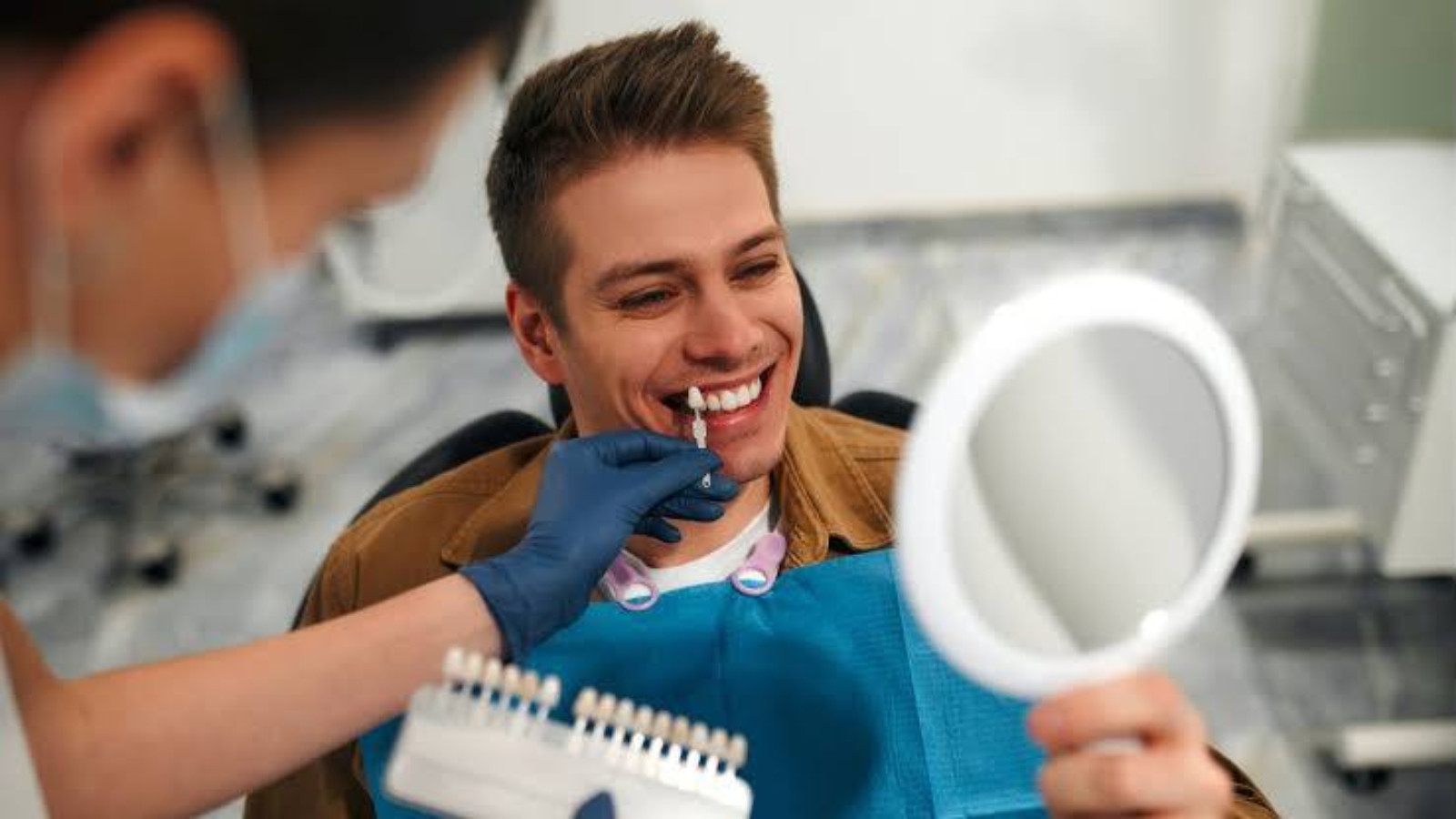
Aesthetic tooth whitening has long become part of modern high level dentistry, yet the stability of the achieved result depends not only on the quality of the procedure itself but also on how properly the patient goes through the recovery period after enamel lightening. Professor Alexander Von Breuer sees this as one of the most important stages of aesthetic treatment, since the patient’s post procedure behavior largely determines both the stability of tooth shade and the preservation of enamel structure. At DentalClinic24, we consider post whitening care an extension of the clinical protocol rather than a secondary recommendation, because even a perfectly performed procedure requires proper biological adaptation of the hard dental tissues.
During professional whitening, active components of whitening systems penetrate enamel and dentin, affecting pigmented molecules and breaking down colored compounds accumulated within tooth tissues. Despite the high safety level of modern protocols, after the procedure enamel temporarily becomes more vulnerable to external chemical irritants. This occurs because of changes in the permeability of surface structures and temporary increased sensitivity of dentinal tubules. During the first hours and days after whitening, teeth are especially susceptible to restaining because the tissue surface is still undergoing remineralization and restoration of mineral balance. At DentalClinic24, we always emphasize that the post procedure period has a direct impact on long term aesthetic outcomes.
Hygiene control plays a critical role after whitening. Insufficient oral hygiene promotes rapid accumulation of soft plaque, which becomes a matrix for pigment retention from foods and beverages. Bacterial biofilm alters the local acid balance in the oral cavity and accelerates adsorption of staining compounds onto enamel surfaces. At the same time, overly aggressive brushing is also undesirable because mechanical irritation may intensify sensitivity and provoke microdamage to the superficial layer. At DentalClinic24, individualized selection of hygiene products after whitening is considered an essential part of patient care, since toothbrush stiffness, toothpaste composition, and the presence of remineralizing agents can significantly influence both comfort and long term stability of results.
Special attention should be given to chemical exposure affecting enamel. After whitening, dental tissues react more sensitively to acidic foods, pigments, and temperature irritants. Coffee, tea, red wine, dark berries, strongly pigmented sauces, and nicotine possess a high capacity for restaining. Beyond pigments, acidity itself becomes a major factor because a lower pH enhances demineralization of the enamel surface. This increases the risk of sensitivity and reduces the stability of the brightened shade. At DentalClinic24, we explain to patients that maintaining whitening results depends not only on limiting staining products but also on controlling the overall biochemical environment of the oral cavity.
Sensitivity after whitening represents another clinically significant factor. It develops because of temporarily increased enamel permeability and stronger external stimulation of dentin. In most cases this condition is reversible, yet the severity of the response depends on enamel thickness, baseline dental condition, the presence of microcracks, and individual mineralization characteristics. The use of remineralizing formulations, calcium containing agents, and desensitizing products helps accelerate restoration of enamel’s protective properties. At DentalClinic24, we evaluate hard tissue condition before whitening because understanding the baseline mineralization level allows us to predict possible sensitivity and adjust the post treatment care protocol.
Proper post whitening care should be viewed as biological support of aesthetic treatment. Tooth whitening does not end when the clinical procedure is completed in the dental chair. The true long term result develops over the following weeks while tissues go through a stabilization phase. For Dental Clinic24, the value of competent post procedure care lies in preserving not only shade brightness but also the functional health of enamel. The better hygiene, acid balance, and tissue remineralization are controlled, the longer the aesthetic effect lasts and the lower the probability of hypersensitivity.
Previously we wrote about Acid Balance of the Oral Cavity at DentalClinic24: How Nutrition Influences Enamel and the Oral Microbiome