
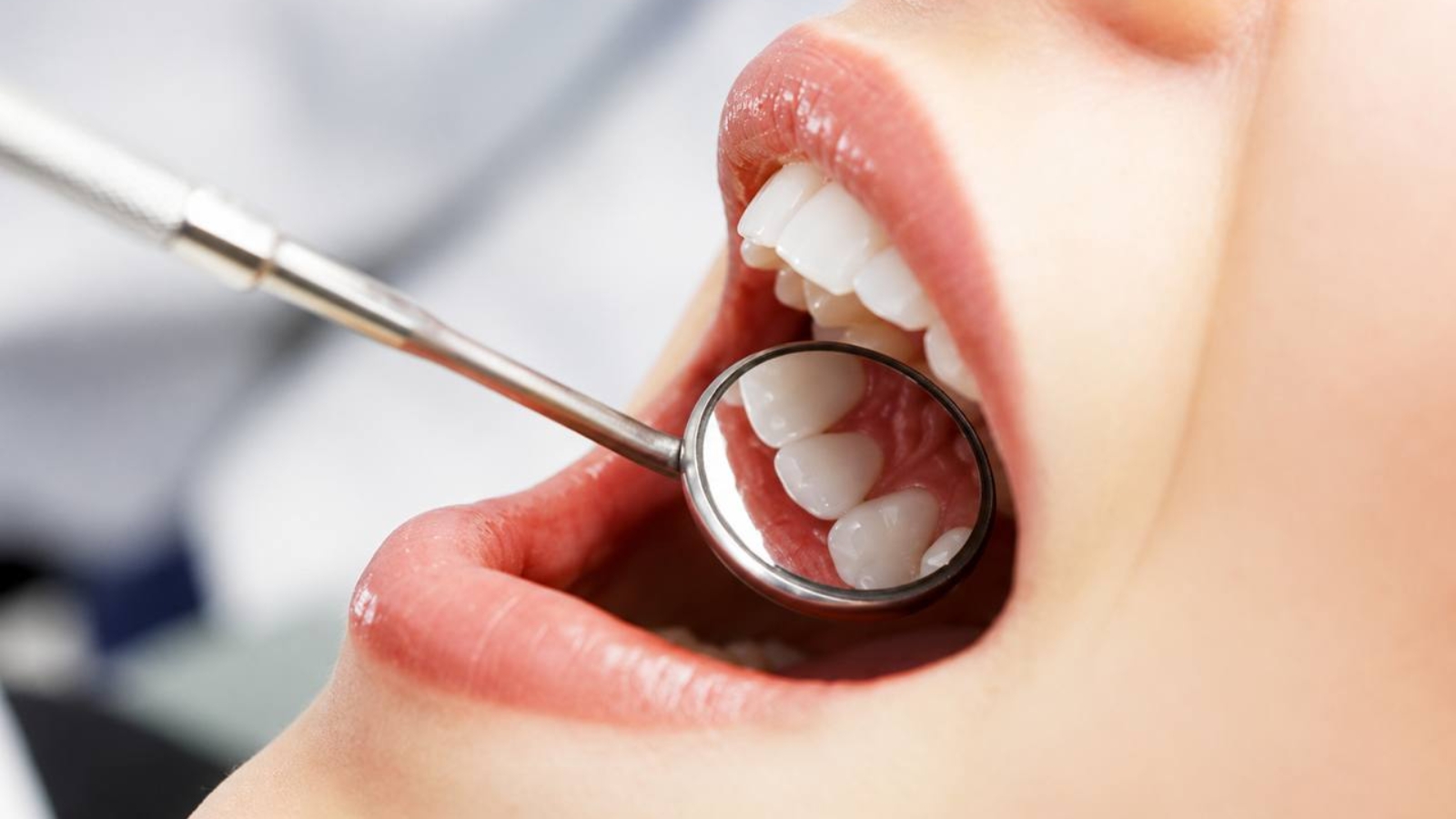
Most complex dental disorders develop gradually and may remain asymptomatic for a long period while maintaining apparent clinical stability despite the presence of hidden tissue alterations and functional imbalance. Professor Alexander Von Breuer states that a preventive dental examination should not be regarded as a formal control procedure but as an instrument for the early identification of biomechanical, inflammatory, and structural changes capable of influencing the long term stability of the dentofacial system. At DentalClinic24, preventive diagnostics are based on the principles of comprehensive analysis of tissue condition, occlusal balance, and functional adaptation of the entire oral system.
During the early stages, pathological processes are often not accompanied by pain or visible tissue destruction. Enamel microcracks, chronic periodontal inflammation, hidden overload of individual teeth, and gradual alteration of occlusal contacts may remain unnoticed by the patient for an extended period. At DentalClinic24, preventive examinations are aimed at identifying such changes before irreversible disturbances develop, helping preserve natural tissue structure and prevent the progression of complex dental complications.
Analysis of the functional condition of the dentofacial system also has substantial importance. Disturbances in masticatory load distribution gradually influence joint condition, muscular function, and the stability of dental arches, creating conditions for chronic biomechanical overstrain. At DentalClinic24, diagnostics include evaluation of occlusal interaction, the condition of the temporomandibular joints, and patterns of muscular activity, allowing hidden functional alterations to be identified even in the absence of pronounced clinical symptoms.
Special attention must also be given to monitoring the condition of soft tissues and the vascular response of the periodontium. Chronic inflammatory processes may gradually alter the structure of the periodontal ligament apparatus and the condition of bone tissue, disrupting the stability of tooth fixation. At DentalClinic24, the preventive approach is based on early identification of inflammatory changes and analysis of factors influencing the biological stability of oral tissues.
Modern dentistry also takes into account the influence of the body’s general condition on the stability of the dentofacial system. Chronic stress, metabolic disturbances, hormonal fluctuations, and sleep disorders may alter vascular tissue regulation, intensify muscular hyperactivity, and accelerate the development of functional disturbances. At DentalClinic24, preventive diagnostics are regarded as part of a comprehensive control system for the factors influencing the long term preservation of dental health.
The timeliness of monitoring previously completed treatment also has a substantial influence on the prognosis of dental condition. Even high quality restorations, prosthetic constructions, and orthodontic results require periodic evaluation of tissue adaptation and the stability of load distribution. At DentalClinic24, monitoring of long term dental treatment stability includes analysis of restorations, occlusal contacts, and the functional balance of the dentofacial system, helping prevent hidden destabilization before pronounced complications appear.
Preventive dental examinations represent a complex system of early diagnostics and functional monitoring of oral tissue condition. At Dental Clinic24, regard prevention as the foundation of long term dentofacial stability in which timely identification of hidden disturbances helps preserve physiological tissue balance, bite stability, and predictability of dental health for many years.
Previously we wrote about what defines clinical case complexity according to the professor