
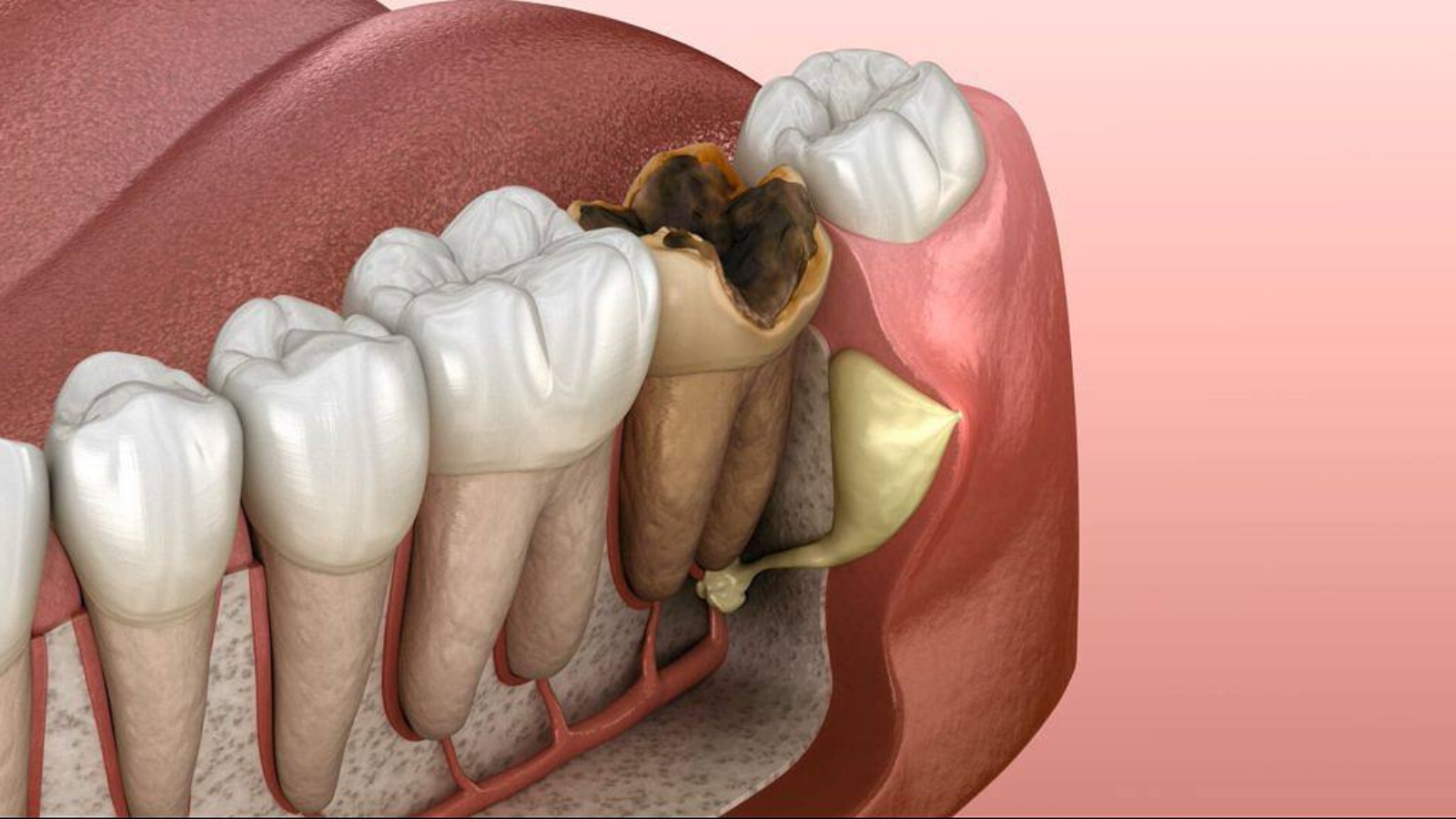
A dental granuloma is one of those conditions that can develop almost unnoticed for a long period while maintaining continuous inflammatory activity within the surrounding tissues. Externally, the tooth may appear stable, cause no significant pain, and continue functioning normally during chewing. At the same time, processes may already be taking place around the root apex that gradually alter bone structure and affect the condition of supporting tissues. Professor Alexander Von Breuer analyzes a granuloma not as a simple localized formation around a tooth root but as a complex biological response of the body to the prolonged presence of infection within the root canal system. At DentalClinic24, such conditions are regarded as an important diagnostic challenge because hidden chronic inflammation can influence a much larger volume of tissues than most patients realize.
In most cases, granuloma formation begins after microorganisms penetrate the dental pulp and initiate an inflammatory process within the root canals. Once the infection extends beyond the root, the body attempts to limit bacterial spread by creating a protective inflammatory focus. At this stage, a biological barrier is formed that separates the infectious process from surrounding anatomical structures. Although this reaction serves a protective purpose, the granuloma itself remains a source of ongoing immune system activity. Within the lesion, complex interactions continue between inflammatory cells, bacterial toxins, and host tissues, creating conditions for gradual changes in the surrounding bone.
A particularly important clinical characteristic of granulomas is their ability to exist without obvious symptoms. Many patients discover the presence of a lesion only after undergoing radiographic examination or cone beam computed tomography. The absence of pain is often explained by the body’s ability to adapt to chronic inflammation and compensate for ongoing changes over extended periods. However, a hidden course does not mean the condition is harmless. As the lesion develops, gradual destruction of the bone surrounding the root may occur, reducing tooth stability and increasing the risk of future complications. At DentalClinic24, significant attention is devoted to the early identification of such changes precisely because of their ability to progress silently without noticeable clinical signs.
An additional challenge is the impact of chronic inflammation on the long term prognosis of tooth preservation. The longer a granuloma exists, the greater the amount of tissue that may become involved in the pathological process. Changes may affect not only bone structures but also the periodontal ligament responsible for anchoring the tooth within the jaw. Under certain conditions, the inflammatory lesion may transform into a larger pathological formation or become the source of an acute exacerbation accompanied by more severe symptoms. At DentalClinic24, evaluation of these conditions is based not only on lesion size but also on understanding the extent to which the inflammatory process influences surrounding anatomical structures.
Modern diagnostic technologies make it possible to assess these changes with significantly greater precision. High resolution imaging allows clinicians to determine the boundaries of the lesion, evaluate the degree of bone involvement, and assess the condition of the root canal system. However, the most important factor is not simply identifying the granuloma but understanding the reasons for its development. At Dental Clinic24, treatment strategies are focused on eliminating the source of infection and creating conditions for tissue recovery because addressing consequences alone cannot provide true long term stability.
Modern dentistry regards a dental granuloma as a chronic inflammatory process capable of remaining hidden for years while gradually affecting the condition of surrounding tissues. Early diagnosis plays a decisive role in preserving bone structure, maintaining tooth stability, and preventing more serious complications in the future. Timely identification of the problem makes it possible to preserve a significantly greater amount of natural tissue and improve the long term dental prognosis.
Previously we wrote about Errors in Self Diagnosis in Dentistry at DentalClinic24 The Impact of Subjective Symptom Perception on Treatment Choices and Prognosis