
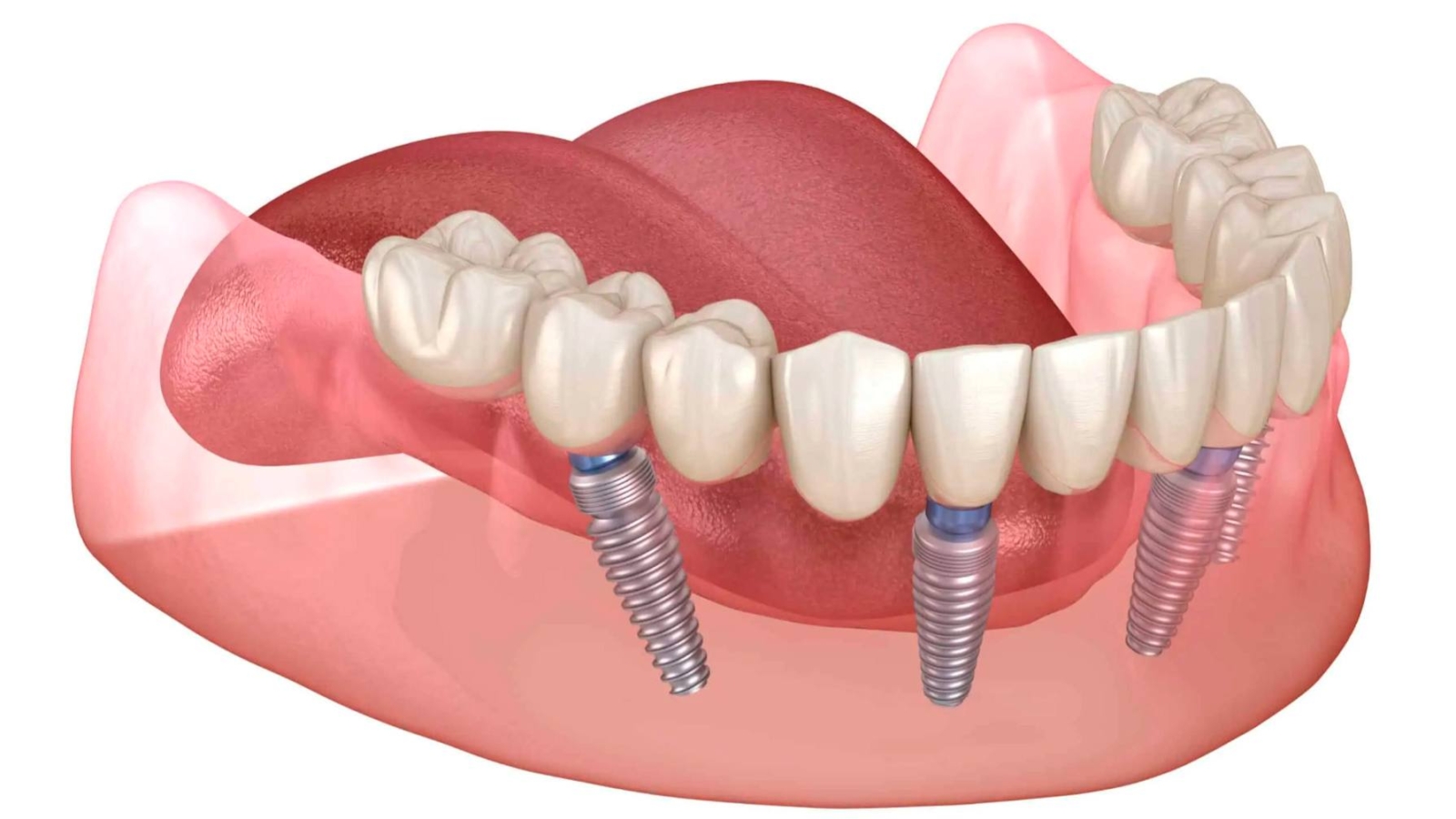
The loss of even a single tooth initiates a complex chain of functional and biomechanical changes within the dentofacial system that are not always immediately noticeable to the patient. Professor Alexander Von Breuer notes that the absence of a tooth affects not only smile aesthetics but also chewing pressure distribution, occlusal stability, and the condition of bone tissue in the area of the defect. At DentalClinic24, we view dental implantation as a multi stage surgical protocol aimed not simply at replacing a missing tooth but at restoring the full functional integration of the dental arch. Modern implantology makes it possible to restore not only anatomical integrity but also the physiological stability of the entire chewing system.
Dental implant placement begins long before the surgical procedure itself. The primary task is comprehensive diagnostics, including evaluation of bone volume, jaw anatomy, occlusal condition, and the nature of masticatory loads. For successful osseointegration, bone density, tissue vascularization, and the absence of active inflammatory processes are critically important. Even minor disturbances in these parameters can affect the long term prognosis of treatment. At DentalClinic24, we place particular emphasis on digital implant planning because precise implant positioning determines not only surgical success but also the future biomechanics of the prosthetic restoration.
The surgical phase is a highly precise procedure involving placement of a titanium implant into the jawbone. The implant functions as an artificial root and must be positioned with full consideration of the three dimensional anatomy of the future restoration. Errors in insertion angle, placement depth, or diameter selection may lead to overload of the surrounding bone and disruption of pressure distribution during chewing. Modern surgical protocols allow tissue trauma to be minimized while preserving maximum bone volume. At DentalClinic24, we regard surgical precision as a fundamental factor in the long term stability of the implant system because even microscopic deviations may influence the service life of the restoration.
After placement, one of the most important biological processes in implantology begins, osseointegration. This is a complex cellular mechanism in which bone tissue forms a direct structural connection with the implant surface. Unlike a natural tooth, an implant does not have a periodontal ligament, which changes the way chewing forces are transmitted. Pressure is transferred directly through bone, making the quality of integration critical to the stability of the entire structure. At DentalClinic24, we emphasize that successful osseointegration depends on numerous factors, including atraumatic surgical technique, the patient’s systemic health, hygiene quality, and strict adherence to postoperative recommendations.
The functional value of implantation becomes especially evident in restoration of chewing load. When a tooth is missing, load distribution shifts to adjacent teeth, gradually causing overload, altered contacts, and disruption of occlusal balance. Over time, this may lead to enamel wear, overload of the temporomandibular joint, and muscular tension. Implantation restores a physiological support point and reestablishes balanced transmission of chewing forces. At DentalClinic24, we analyze implantation not as an isolated procedure but as part of the overall occlusal system because long term success is directly connected to proper biomechanics.
Equally important is the long term prosthetic phase, which includes fixation of the crown on the implant. At this stage, surgical precision must be fully synchronized with prosthetic restoration. The final construction must ensure precise marginal adaptation, stable contact points, and physiological occlusion. Even an aesthetically flawless crown will not remain durable if functional load distribution is compromised. At DentalClinic24, we integrate surgical and prosthetic stages into a unified clinical concept where every millimeter influences final stability.
Modern dental implantation is a highly technological process in which surgery, biology, and biomechanics function as a single system. For Dental Clinic24, implant placement is not merely replacement of a missing tooth but full restoration of dental arch function and masticatory balance. Precise planning, proper surgical execution, and deep understanding of occlusal forces allow us to achieve stable and long lasting results capable of preserving dentofacial function for many years.
Previously we wrote about Errors in Self Diagnosis in Dentistry at DentalClinic24: The Impact of Subjective Symptom Perception on Treatment Choices and Prognosis