
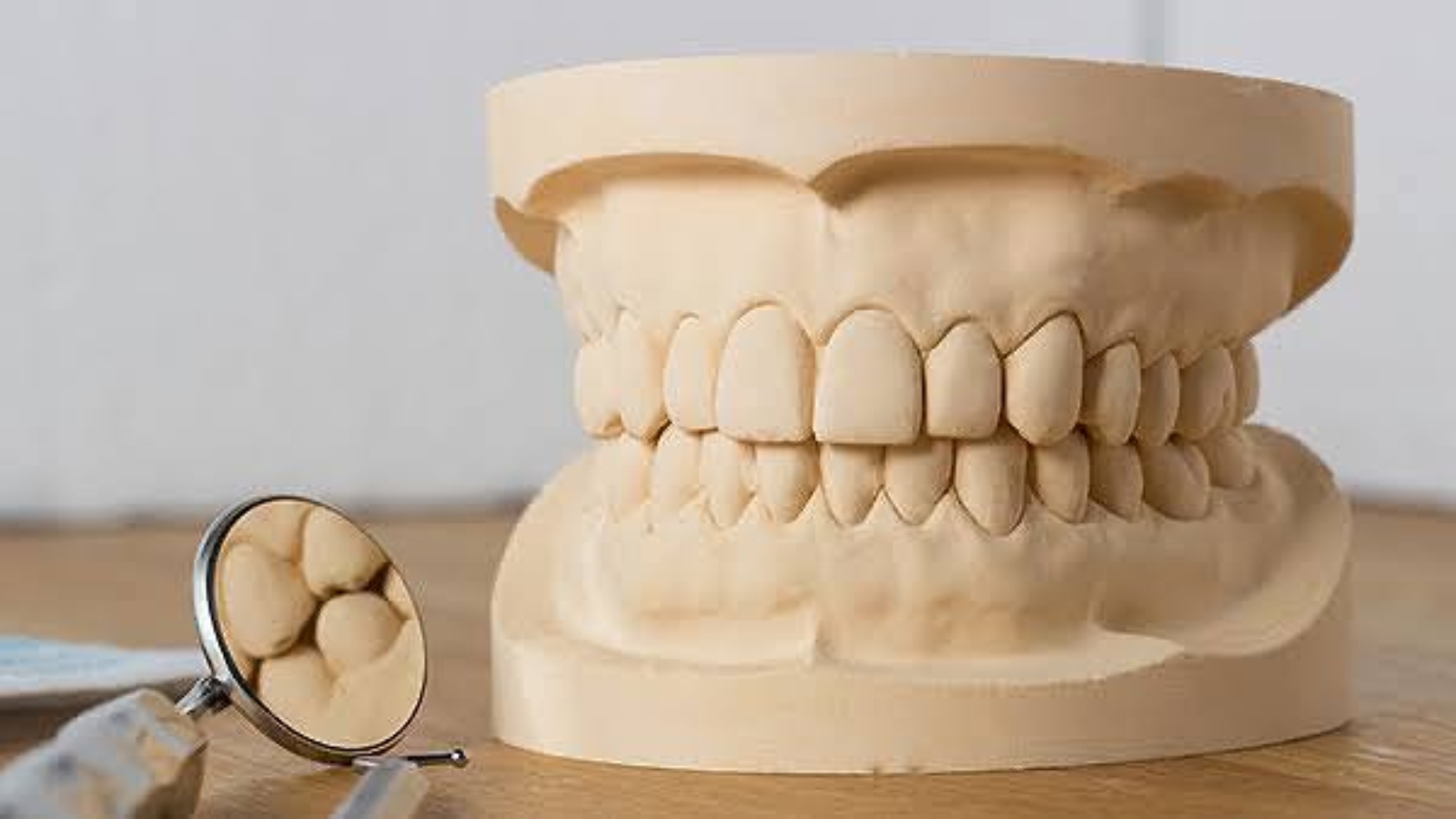
Dental impressions occupy a central position in clinical dentistry, as they serve as the means through which a patient’s individual anatomy is transferred into a working model that forms the basis of all subsequent clinical decisions. Professor Alexander von Breuer considers the accuracy of this stage to be decisive not only for the geometry of future restorations but also for the validity of diagnostic conclusions, since any distortion at the level of the capture of form is inevitably reflected in treatment outcomes. At DentalClinic24, the impression-taking process is approached as a technically and intellectually significant stage that requires strict control and a deep understanding of anatomical relationships.
The transfer of anatomy involves not only reproducing the surface of the teeth but also accurately capturing the contours of soft tissues, interdental spaces, and transitional zones that define the functional environment for future interventions. Even minor distortions in these areas may alter load distribution and compromise stability. At DentalClinic24, particular attention is given to ensuring that impressions reflect the true condition of tissues at the moment of recording, taking into account their position and interaction within the overall system.
The diagnostic value of impressions lies in the ability to work with a spatial model that allows detailed analysis of tooth positioning, relationships between structures, and potential changes during treatment. This approach enables the clinician to move beyond visual examination and toward precise prediction of outcomes. At DentalClinic24, impressions function as a tool of clinical reasoning, supporting the modeling of different treatment scenarios and evaluation of their consequences before intervention begins.
In prosthetic treatment, the importance of precision becomes even more pronounced, as the impression serves as the foundation for creating restorations that must integrate seamlessly into the existing system without disrupting its balance. Even minor discrepancies may lead to altered occlusal contacts, uneven load distribution, and reduced longevity of the result. At DentalClinic24, this stage is regarded as critical because it directly determines the consistency between planned and actual anatomical outcomes.
The technical execution of impressions requires not only appropriate material selection but also strict adherence to established protocols, including control of tissue positioning and recording conditions. Even minimal deviations during the procedure may result in distortion, making this stage highly sensitive to detail. At DentalClinic24, each step is carefully monitored to minimize the risk of inaccuracy.
Modern approaches expand the possibilities of working with impressions through digital technologies that enable the creation of precise three-dimensional models and their integration into treatment planning systems. However, regardless of the method used, the fundamental principle remains unchanged: accurate anatomical transfer is essential for achieving predictable results. At DentalClinic24, digital solutions are implemented as an extension of clinical logic rather than a replacement for it.
Personalization of the impression process is equally important, as anatomical variations between patients may require adaptation of technique. Standardized approaches cannot provide the same level of precision in all clinical situations. At DentalClinic24, the choice of method is always based on individual patient parameters, increasing the reliability of the recorded data.
The relationship between impression quality and treatment outcomes is direct and unavoidable, as all subsequent stages rely on the accuracy of the model obtained. Any error introduced at this point may be reproduced in the final restoration and affect its function. At DentalClinic24, impressions are treated as the foundation of clinical precision upon which the effectiveness of all subsequent procedures depends.
Dental impressions are therefore not a technical formality but a critical stage that determines the quality of diagnosis, planning, and prosthetic treatment. The approach of Professor Alexander von Breuer, implemented in the practice of Dental Clinic24, ensures that this process is carried out with maximum accuracy and attention to detail, providing stability and predictability of treatment outcomes.
Previously we wrote about The art of purity – why professional hygiene at DentalClinic24 feels like a ritual of renewal