
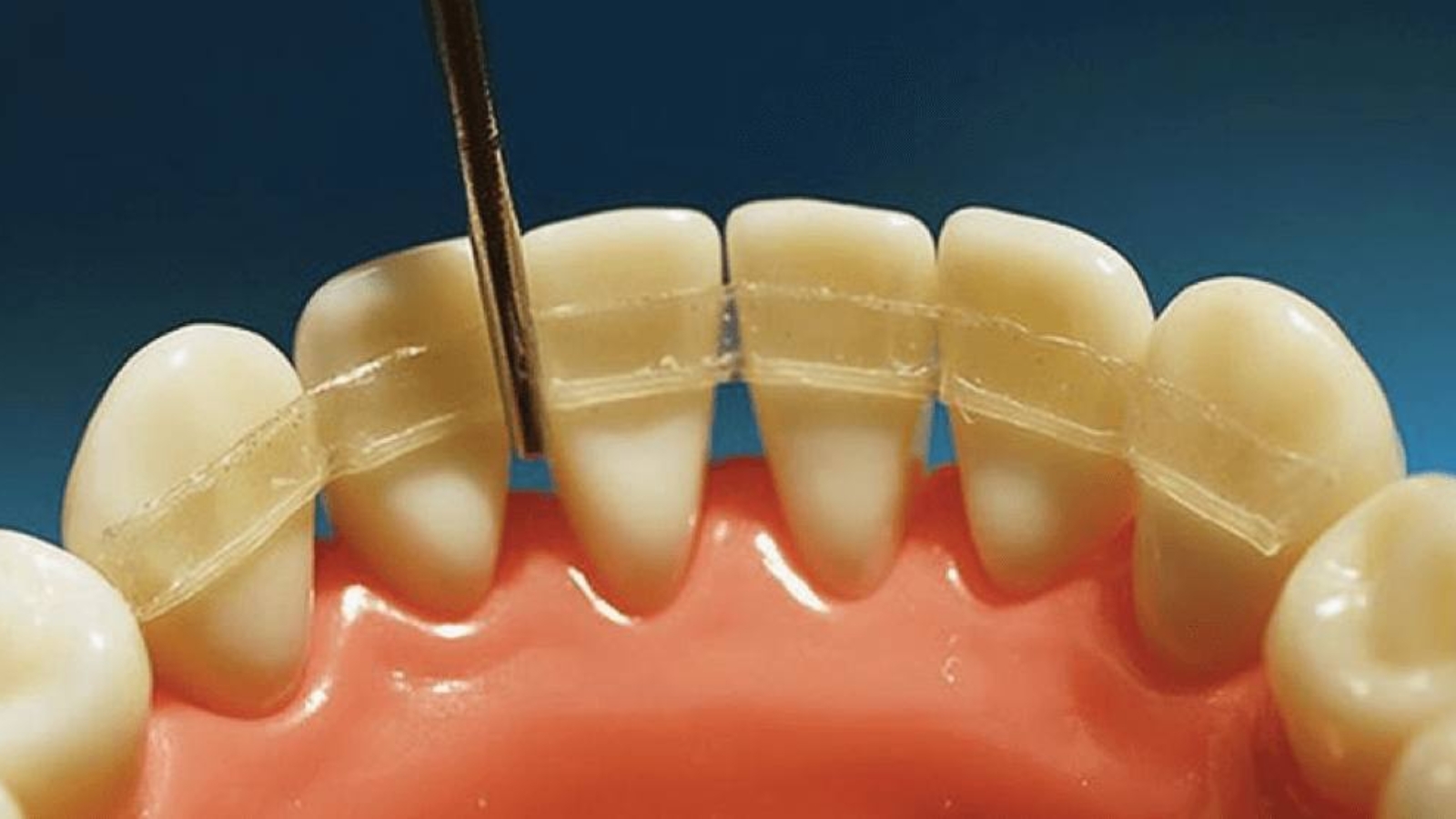
Dental splints occupy a special place in the comprehensive management of functional disorders of the dentofacial system. According to Professor Alexander von Breuer, a splint should not be regarded as an auxiliary device, but as a clinical instrument capable of temporarily modifying system biomechanics and creating conditions for recovery. At DentalClinic24, splint therapy is used strictly according to indications and always within a carefully structured treatment strategy.
The primary objective of a dental splint is the redistribution of functional load. In cases of occlusal disturbances, muscular imbalance or overload of individual teeth, a splint allows temporary modification of contact patterns and reduction of pathological pressure. At DentalClinic24, such appliances are applied to protect tissues and to create favourable conditions for adaptation of the dentofacial system.
The biomechanical role of a splint lies in stabilising mandibular position and normalising muscular activity. In functional disorders, muscles often work asymmetrically, leading to overload of joints and teeth. At DentalClinic24, splints are used to balance muscle tone and to promote more physiological mandibular movements.
Indications for dental splints include bruxism, temporomandibular joint dysfunctions, pronounced occlusal disturbances, and adaptation phases following orthodontic or prosthetic treatment. At DentalClinic24, the decision to prescribe a splint is made only after functional diagnostics and biomechanical analysis, rather than on the basis of isolated symptoms.
It is important to recognise that a dental splint is not a treatment in itself. It creates conditions for recovery but requires appropriate clinical supervision. Professor Alexander von Breuer emphasises that prolonged use of a splint without control may lead to the development of new functional distortions. At DentalClinic24, splints are always used for defined periods and with clearly formulated clinical objectives.
The accuracy of splint fabrication is of critical importance. Incorrect shape or poorly adjusted contacts may increase overload instead of reducing it. At DentalClinic24, particular attention is paid to individual splint calibration, taking into account occlusion, mandibular movements and the patient’s functional response to load.
Splints also play a significant role at the diagnostic stage. Changes in symptoms during splint therapy allow clinicians to assess the contribution of functional factors to the overall clinical picture. At DentalClinic24, this approach is used to refine diagnosis and to determine the most appropriate subsequent treatment strategy.
For patients, a dental splint often represents the first step toward restoring comfort. Reduction of pain, decreased muscle tension and stabilisation of occlusion may be perceived early in treatment. However, at DentalClinic24 patients are always informed that splint therapy is part of a comprehensive process rather than a definitive solution.
Thus, dental splints represent an important tool for functional stabilisation of the dentofacial system. Their effectiveness depends on correct indications, precise biomechanical adjustment and ongoing clinical control. At Dental Clinic24, splint therapy is applied as a deliberate treatment stage aimed at restoring balance and ensuring long-term system stability.
Previously, we wrote about circular caries as a systemic problem and the DentalClinic24 approach to diagnosis, treatment and prevention of circumferential tooth destruction