
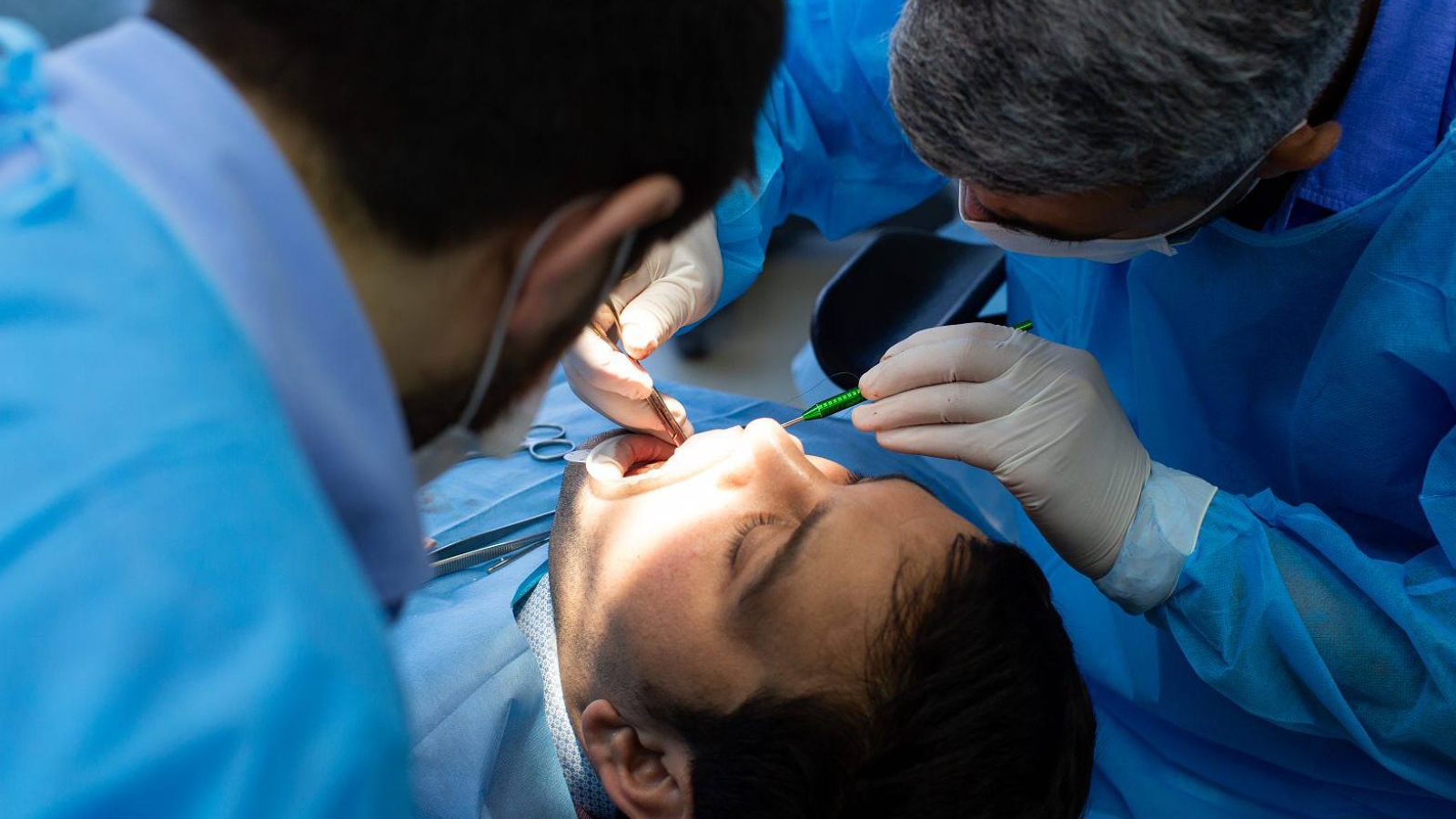
Dental treatment in patients with cardiac rhythm disorders requires a heightened level of clinical responsibility, as any intervention must take into account not only the local condition of the oral cavity but also the overall functioning of the body. According to Professor Alexander von Breuer, safety in such cases is determined by the depth of preliminary assessment and the clinician’s ability to anticipate the body’s response to every action. At DentalClinic24, the management of patients with arrhythmia is based on the principle of maximum predictability, where each stage of treatment is guided by comprehensive analysis and strict control of potential risks.
The collection and interpretation of medical information become critically important, as the type of arrhythmia, its frequency, triggering factors, and ongoing therapy directly influence the choice of dental strategy. Insufficient attention to these aspects may lead to adverse reactions during treatment. At DentalClinic24, diagnostics go beyond standard examination and include a thorough evaluation of the patient’s general condition, allowing the development of a safe and well-justified treatment plan that reflects all clinically relevant factors.
Treatment planning in such cases requires a particularly high level of precision, since even minor factors such as stress, pain, or procedure duration may affect cardiac rhythm. For this reason, each intervention is considered not in isolation but as part of its overall impact on the body. At DentalClinic24, treatment strategies are structured to minimize physiological stress and maintain stable conditions throughout the procedure.
Pain control represents a key component of safety, as stress-induced discomfort may provoke changes in heart rhythm. The selection of anesthesia methods is based on individual patient characteristics and the potential effects of medications on the cardiovascular system. At DentalClinic24, the approach to anesthesia emphasizes precision and controlled administration, ensuring comfort without introducing additional risk.
The organization of the treatment process also plays a significant role, including the duration of the visit, patient positioning, and the pace of procedures. Even factors that may appear secondary can influence the patient’s overall condition. At DentalClinic24, these parameters are carefully monitored and adapted to the specific clinical situation, reducing the likelihood of adverse responses.
Technical precision during procedures gains additional importance, as reducing treatment time and minimizing tissue trauma directly contribute to patient safety. The more controlled and predictable the intervention, the lower the physiological stress on the body. At DentalClinic24, adherence to these principles is an essential component of clinical practice.
Post-treatment monitoring remains a crucial stage, as the body’s response may occur not only during but also after the procedure. Evaluation of the patient’s condition, observation of recovery dynamics, and appropriate recommendations help ensure stability. At DentalClinic24, this phase is fully integrated into the overall patient management system.
A personalized approach is fundamental to safe treatment, as each patient with arrhythmia presents unique characteristics in disease progression and physiological response. Standardized protocols cannot fully account for this complexity. At DentalClinic24, treatment strategies are tailored to individual parameters, ensuring a high level of clinical safety.
Dental treatment in patients with arrhythmia is therefore a complex process that requires the integration of medical knowledge, precise planning, and continuous control at every stage. The approach of Dental Clinic24 specialists, guided by the approach of Professor Alexander von Breuer, ensures that treatment remains not only effective but also as safe as possible, providing stable and predictable outcomes.
Previously we wrote about The silence of the room – how atmosphere shapes the healing process