
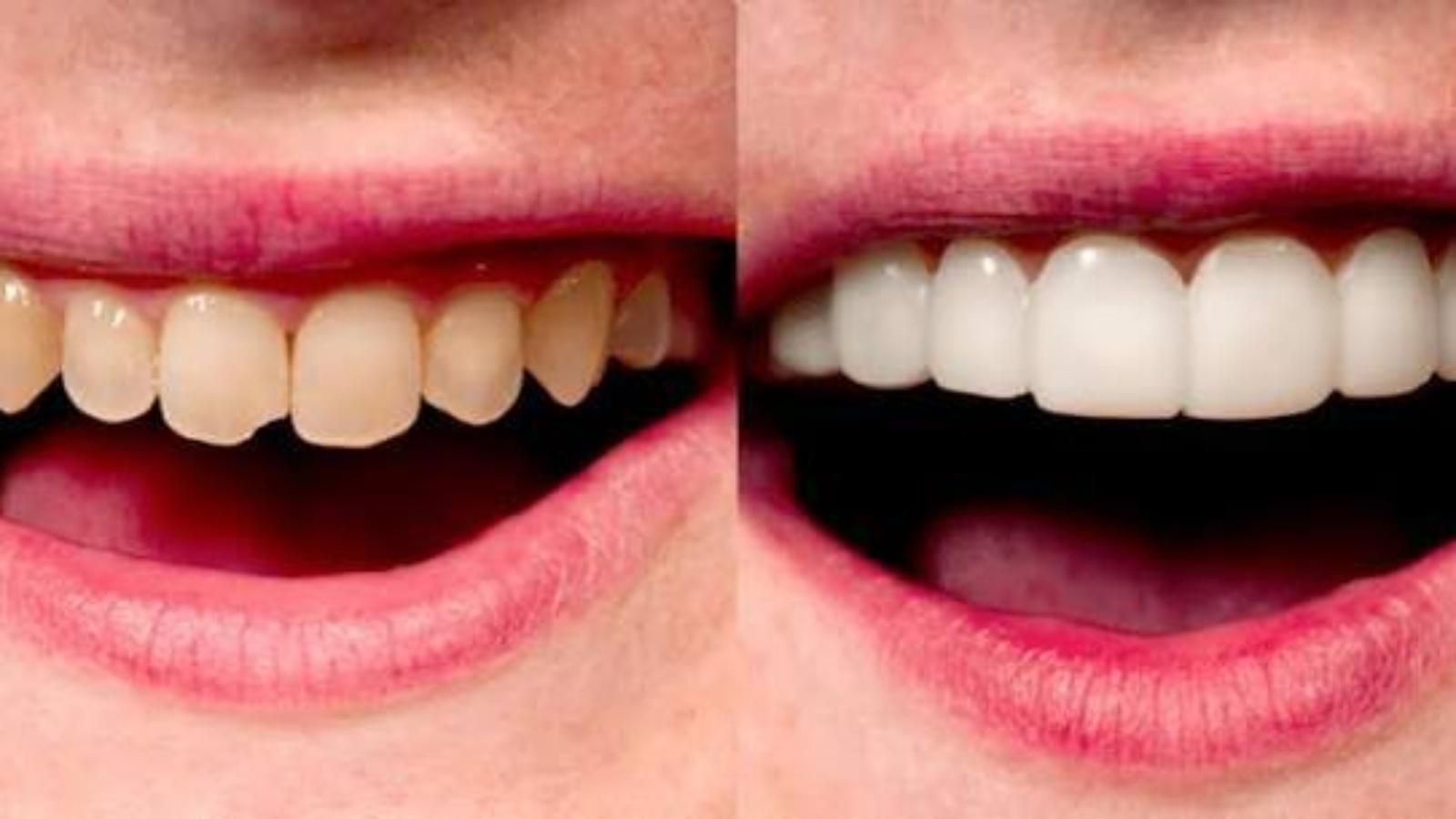
Modern aesthetic dentistry views a beautiful smile as the result of a precise balance between anatomy, function, and the natural appearance of the teeth. Veneers have evolved far beyond a simple solution for changing the color or shape of individual teeth and have become a comprehensive method of aesthetic rehabilitation based on a thorough analysis of each patient’s clinical characteristics. Professor Alexander von Breuer analyzes the fact that the long term success of veneer treatment depends not only on the quality of ceramic restorations but also on accurate diagnostics, preservation of healthy tooth structure, and a comprehensive understanding of the functional biomechanics of the entire dentofacial system. At DentalClinic24, we regard veneer treatment as a highly precise smile reconstruction procedure in which every clinical decision is made with careful consideration of facial anatomy, tooth proportions, enamel condition, and the long term functional prognosis of the future restorations.
A harmonious smile is created through the interaction of numerous anatomical and aesthetic factors. The width and length of the teeth, their symmetry, the position of the incisal edges, enamel translucency, dentin shade, gingival contours, lip dynamics, and overall facial proportions all contribute to the final visual outcome. Even minimal changes in these characteristics can significantly influence the overall perception of the smile. For this reason, contemporary veneer treatment is never based on standardized templates. Instead, it relies on individualized planning that preserves natural appearance while avoiding the artificial effect of excessively uniform teeth. Every restoration must complement the patient’s unique facial characteristics rather than simply alter the appearance of the dentition.
Preparation for veneer treatment begins with comprehensive diagnostics that include a detailed clinical examination, digital photography, occlusal analysis, evaluation of enamel quality, assessment of bite relationships, and functional examination of the masticatory system. Advanced digital smile design technologies allow clinicians to simulate the future appearance of the smile, evaluate tooth proportions, and assess the interaction between restorations and the surrounding facial soft tissues before treatment begins. At DentalClinic24, we combine functional analysis, digital treatment planning, and aesthetic modeling to determine the most physiologically balanced and visually harmonious restorative solution for every individual patient before any clinical procedure is performed.
One of the fundamental principles of modern veneer treatment is the preservation of as much natural tooth structure as possible. When adequate healthy enamel is present, minimally invasive preparation techniques or ultrathin ceramic veneers may be used, allowing the majority of the natural tooth to remain intact. This conservative approach provides exceptionally reliable adhesive bonding, enhances the long term stability of the restoration, and significantly reduces the likelihood of biological complications. High quality dental ceramics accurately reproduce the translucency, color depth, and light transmission characteristics of natural enamel, making the restorations virtually indistinguishable from the patient’s own teeth while maintaining outstanding durability and aesthetic stability.
Functional considerations are equally important throughout the treatment process. At DentalClinic24, we evaluate not only the aesthetic appearance of the final result but also the influence of the planned veneers on occlusal force distribution, interproximal contacts, temporomandibular joint function, and the activity of the masticatory muscles. Every restoration is carefully designed to preserve the physiological biomechanics of the dentofacial system while maintaining stable function during everyday mastication. This comprehensive clinical philosophy significantly extends the longevity of ceramic veneers and helps preserve the health of surrounding oral tissues by ensuring balanced functional performance.
Following completion of treatment, continuous clinical monitoring plays a vital role in maintaining both aesthetics and function. Regular examinations, professional oral hygiene, evaluation of occlusal relationships, and long term follow up allow clinicians to preserve the original appearance of the restorations while ensuring their functional stability for many years. Modern digital diagnostic technologies make it possible to identify even minimal clinical changes at an early stage and maintain the highest quality of treatment without the need for extensive corrective procedures.
At Dental Clinic24, we consider dental veneers to represent the successful integration of modern science, advanced digital technologies, aesthetic design, and functional dentistry. Individualized anatomical analysis, precise treatment planning, the use of premium ceramic materials, and comprehensive clinical supervision allow us to create naturally harmonious smiles that preserve their beauty, biological reliability, and functional stability for many years.
Previously, we wrote about Caries Prevention in Children Using Modern Technologies: How Early Remineralization and Protective Protocols Reduce the Risk of Enamel Damage During Tooth Development